
Last updated November 2, 2026
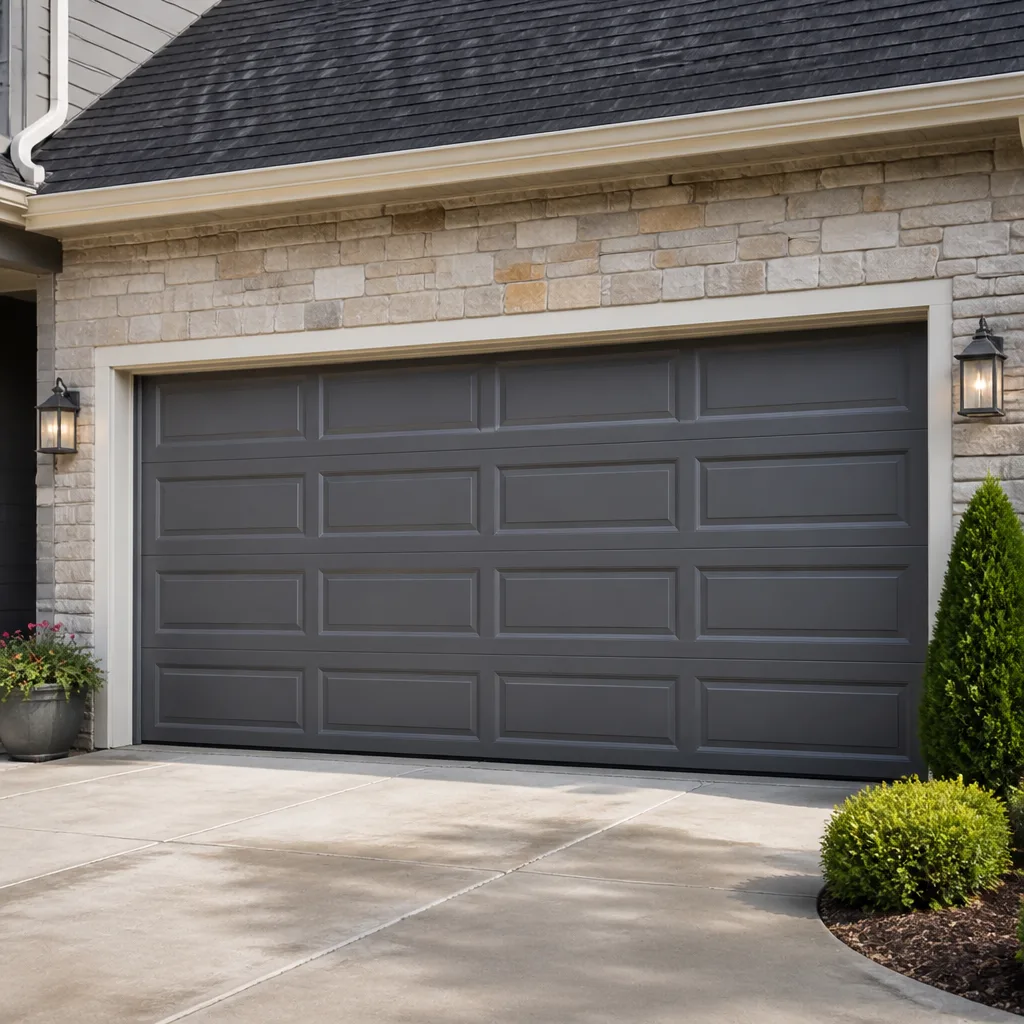 Raised-panel steel
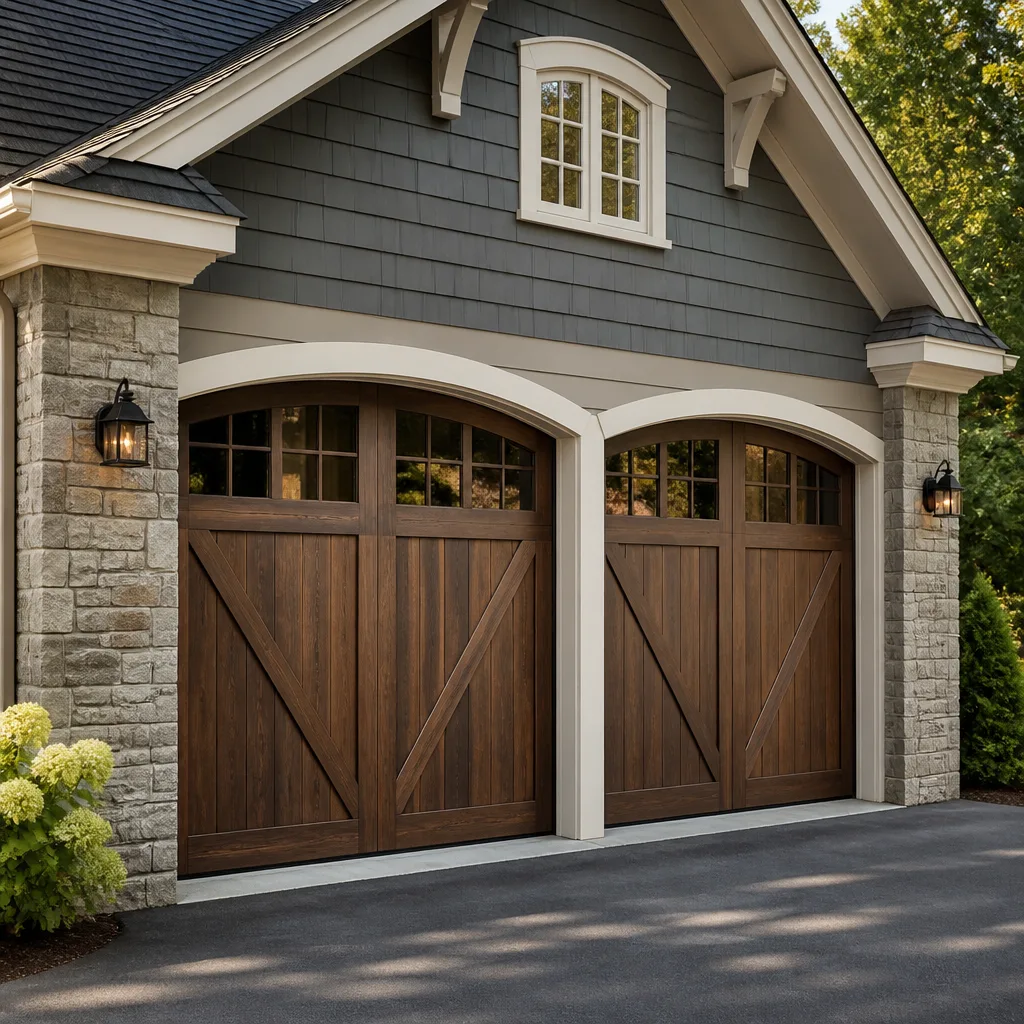 Carriage house
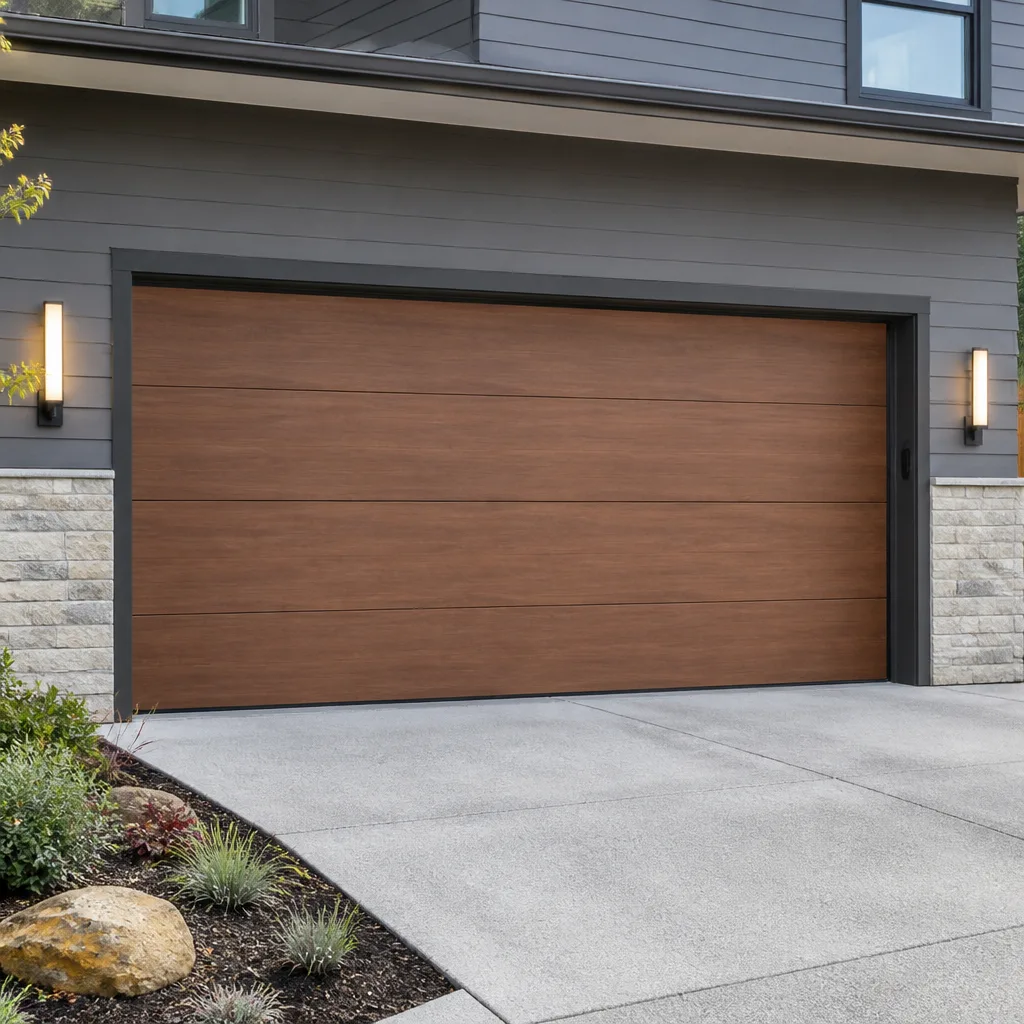 Modern flush
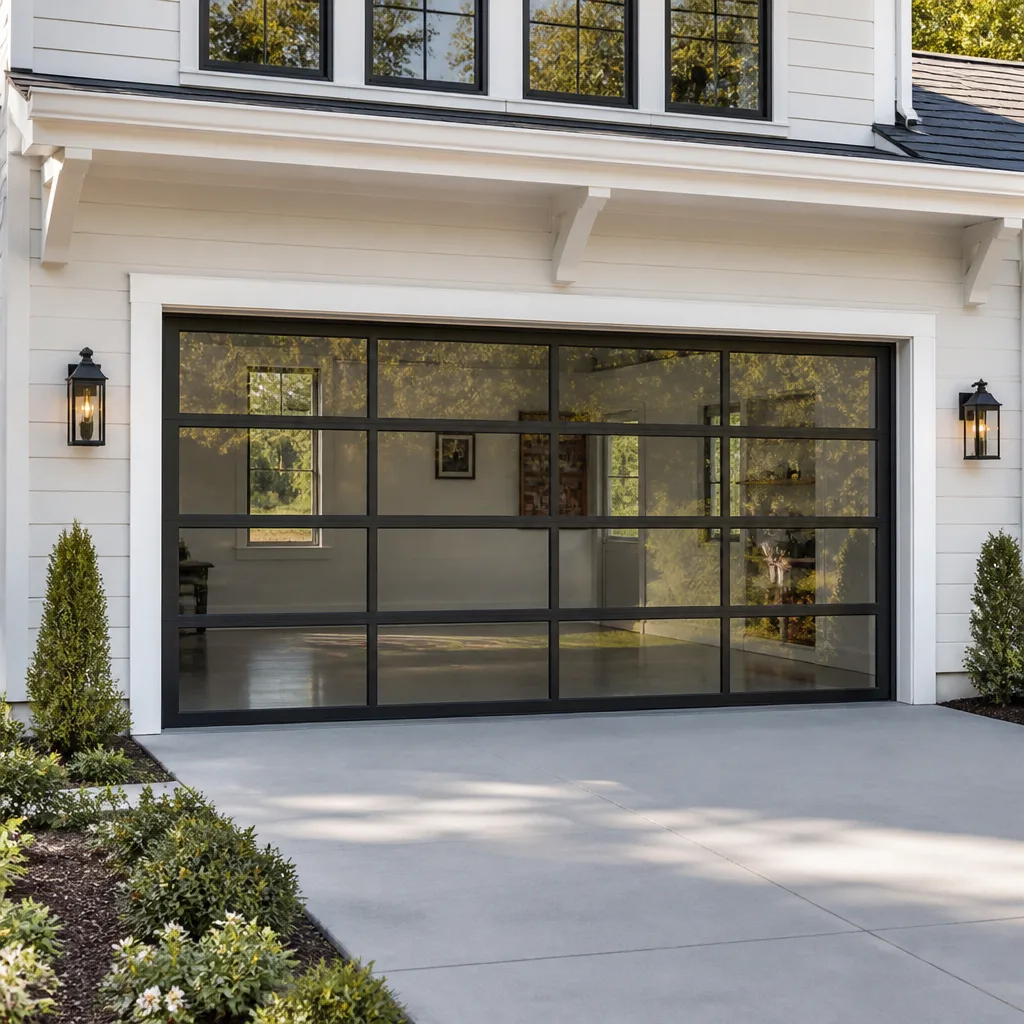 Full-view glass
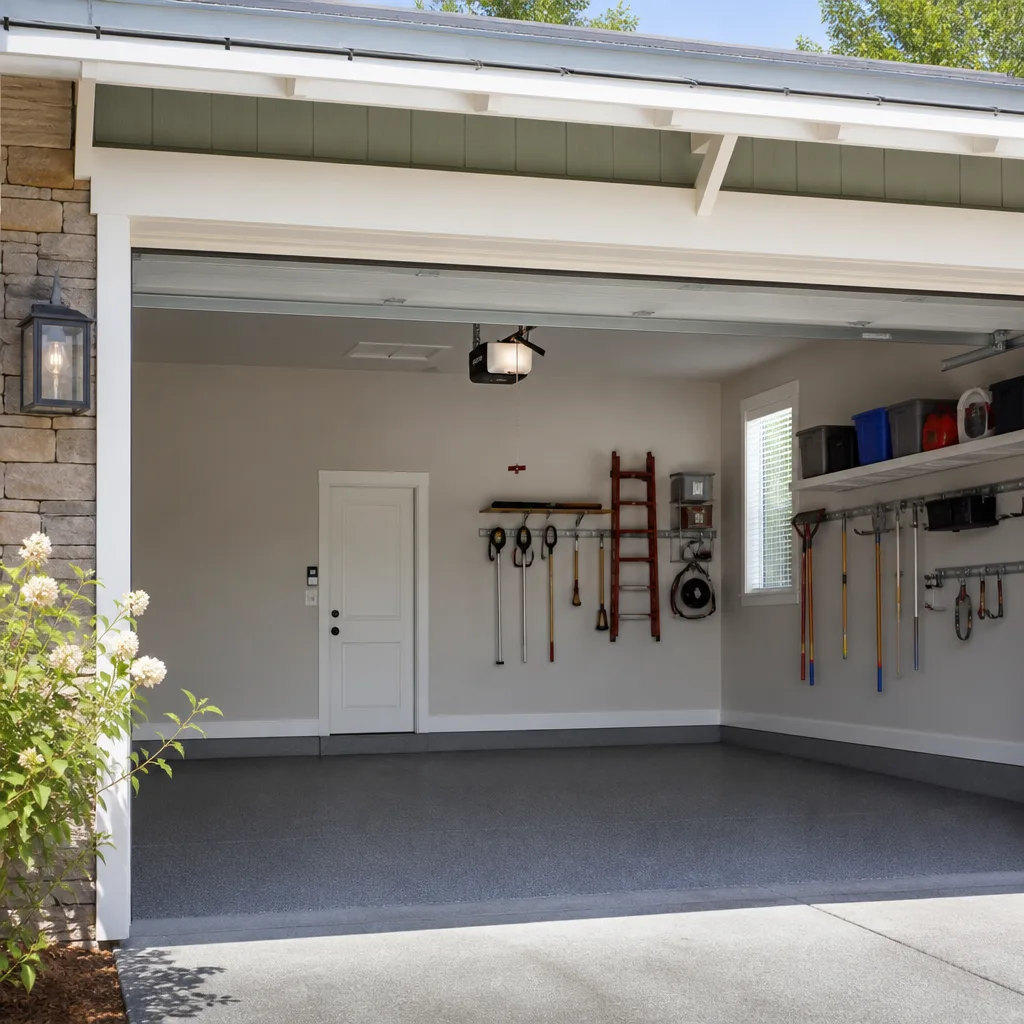 LiftMaster openers
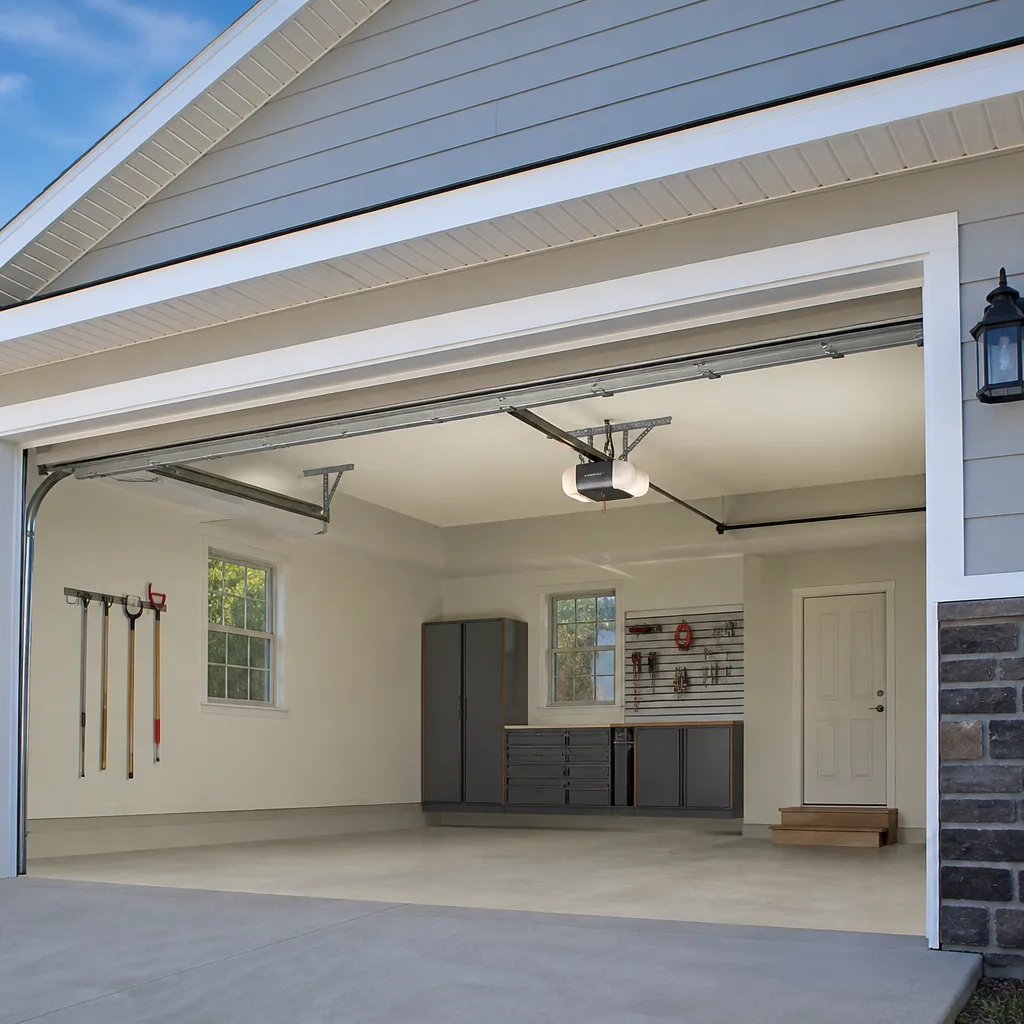 Chamberlain openers
Full 25-point door and opener safety check with every visit - springs, cables, rollers, tracks, and your LiftMaster or Chamberlain opener included
You get a price before we start. It does not change when the truck arrives.
Get your free estimateDIY vs Professional Garage Door: The Placentia Homeowner’s Decision Guide
A garage door spring stores enough tension to cause serious injury in under a second, yet it’s sold at hardware stores next to weatherstripping and caulk, with no warning adequate to that risk. That disconnect, between what’s on the shelf and what’s actually safe, is why this guide exists. We’re going to draw a precise line through every common garage door task in Placentia, separating the jobs a capable homeowner can genuinely handle from the jobs where the physics make professional involvement the only rational choice. You’ll learn what costs are reasonable – see our Garage Door Cost Breakdown: The Placentia Homeowner’s Reference for 2026 – what failures we see most often in Placentia’s specific climate, and how to avoid the expensive mistake of turning a $200 repair into a $900 replacement.
Styles & brands we work with
- Raised-panel steel
- Carriage house
- Modern flush
- Full-view glass
- LiftMaster openers
- Chamberlain openers
Quick Answer
Most garage door maintenance in Placentia, like lubrication, weatherstripping replacement, sensor realignment, and keypad programming, is genuinely DIY-appropriate and takes under an hour. But torsion springs, lift cables, and anything bolted to a header bracket carry stored mechanical energy that has caused serious injuries to experienced contractors, not just weekend hobbyists. Call a professional for those. The line isn’t your skill level; it’s the energy stored in the component.
Table of Contents
- Why Springs and Cables Are Different From Everything Else
- Task-by-Task Breakdown: What’s Safe, What’s Borderline, What’s Off-Limits
- How Placentia’s Climate Changes the DIY Equation
- What California Liability Law Says About DIY Injuries
- The Hidden Cost of a Failed DIY Repair
- The Brand Reality: Why This Matters for Replacement Parts
- The Decision Matrix: Project × Skill × Risk
- Common Mistakes to Avoid
- When to Call a Professional
- Frequently Asked Questions
- The Bottom Line
Why Springs and Cables Are Different From Everything Else
The first thing to understand is that a garage door isn’t one machine. It’s two systems bolted together. The first is the door itself: panels, rollers, hinges, track. These are heavy but predictable. The second is the counterbalance system: torsion springs or extension springs, lift cables, drums, and the center bearing plate. This second system is where the danger lives, and it’s not a danger you can see. A torsion spring on a standard two-car Placentia garage door is typically wound with 7 to 8 full turns of stored tension. That spring is doing the work of lifting a 150-to-200-pound door every single cycle, and it holds that energy whether the door is open, closed, or somewhere in between.
What makes this different from, say, replacing a brake pad or swapping a light fixture is that the energy has no visual indicator. A compressed car spring looks compressed. A garage door torsion spring looks identical whether it’s carrying full tension or none. The only way to know is to touch the winding cone with a winding bar, and the moment that cone moves, the full stored force is live against your hands. If a winding bar slips, the cone snaps back with enough force to break fingers, wrists, and forearms. This isn’t hypothetical. Emergency rooms treat these injuries regularly, and most happened to people who had successfully completed the first 95% of the job.
The lift cables present a different but equal hazard. When a spring breaks, the cable on that side goes slack instantly. That slack looks harmless. But if the door is even partially open and the opposite spring is still intact, the door can shift suddenly, whip the slack cable, and catch anything in its path. We’ve untangled cables from roof racks, bicycles, and once from a homeowner’s upper arm. The lesson: never handle a cable that’s attached to a door unless both springs have been safely unwound or secured.
Task-by-Task Breakdown: What’s Safe, What’s Borderline, What’s Off-Limits
Here’s where we draw the actual line. We’re going to sort the ten most common garage door tasks into three tiers, and we’re going to be honest about each one. A capable Placentia homeowner with basic tools and an hour of daylight can handle Tier 1. Tier 2 is possible but requires caution, the right approach, and a willingness to stop if something doesn’t look right. Tier 3 is where we tell you flatly: call someone who does this daily.
Tier 1: Homeowner-Appropriate Tasks
- Lubricating rollers, hinges, and springs. Use a white lithium or silicone spray, not WD-40. Apply to the roller bearings, hinge pivot points, and along the spring coil. Takes 15 minutes. Do this every 6 months in Placentia’s dry climate, where dust accelerates wear on unlubricated metal.
- Replacing the bottom weatherstrip. The rubber seal on the bottom of the door takes direct sun and heat, and in Placentia it cracks well before the door wears out. A replacement strip slides out of the retainer channel and the new one slides in. No tools beyond a utility knife and maybe a flathead screwdriver.
- Realigning photo-eye sensors. When the door reverses for no reason and the sensor lights are blinking, the fix is usually a gentle nudge of the sensor bracket until both lights come back solid. Then test. If the door still reverses, the problem is wiring or a failed sensor, not alignment.
- Reprogramming a keypad or remote. Every major opener brand, including Genie, has a simple programming sequence printed on the motor unit or available in the manual. This is a five-minute job with zero mechanical risk.
- Cleaning the track. Not adjusting it, but cleaning it. A rag and some degreaser on the inside of the vertical and horizontal track removes the grime that makes rollers drag. Do not unbolt anything.
Tier 2: Borderline Tasks
- Replacing rollers. The top and side rollers are usually accessible and bolt onto brackets that stay fixed. The bottom roller, however, is mounted to a bracket that connects directly to the lift cable. If you remove that bracket without securing the cable, you’ve just entered Tier 3 territory without knowing it. We recommend replacing top and side rollers yourself and leaving bottom rollers to a technician unless you fully understand the cable connection.
- Tightening loose bolts and brackets. A rattling door often means a loose bolt on the jamb bracket or track. Tightening a bolt that’s already in place is fine. But if the bolt is stripped or the hole is wallowed out, drilling new holes in the track means you need to maintain alignment within about an eighth of an inch or the door will bind.
Tier 3: Never DIY
- Torsion spring replacement. Already covered above, but worth repeating: this is the single most dangerous residential repair that homeowners attempt. The winding bars, the unwinding process, and the risk of cable recoil are not things to learn from a YouTube video.
- Extension spring replacement. Slightly less dangerous than torsion springs but still lethal when handled wrong. These older systems on many Placentia homes built before the mid-1990s stretch along the horizontal track and snap back violently when they fail. Replacing one requires securing the door, releasing the old spring, and stretching a new spring under load.
- Lift cable replacement. The cable is under tension whenever the spring system is active. Replacing a cable means unwinding the springs, threading a new cable through the drum, and rewinding to exact torque. Getting the torque wrong means the door opens unbalanced, which then bends the track or damages the opener.
- Header bracket repair. The header bracket is the metal plate bolted above the door opening that anchors the entire spring system. If it’s pulling away from the wall, the entire system is pulling on it. Fixing this requires supporting the door, releasing spring tension, remounting the bracket, and rewinding. In a Placentia home with stucco or wood framing, the remounting itself is a structural question.
- Opener motor replacement. The opener itself is less dangerous than the door, but the job involves wiring, mounting, force settings, and travel limits. Done wrong, the door doesn’t open, or worse, doesn’t reverse when it should. The danger here isn’t injury to you; it’s to a child or pet who walks under a door that fails to detect them.
How Placentia’s Climate Changes the DIY Equation
Placentia sits in a microclimate that most garage door guides don’t account for. We’re close enough to the coast to get morning marine layer and far enough inland to get real heat, and the temperature swings take a measurable toll on garage door components. Metal expands and contracts daily through a range that loosens bolts, fatigues springs, and cracks rubber seals faster than in more stable climates. A torsion spring rated for 10,000 cycles will wear out faster in Placentia than in the same door in San Francisco, and that’s not a marketing claim; it’s physics.
Dust is the second factor. The Santa Ana winds push fine particulate into every gap, and garages are notoriously leaky. That dust combines with whatever lubricant is on the roller bearings and hinges to form an abrasive paste that accelerates wear. Homeowners who neglect lubrication end up with rollers that flatten instead of roll, and flattened rollers eat track faster than anything else. The DIY takeaway: the most valuable maintenance task in Placentia is a simple, consistent lubrication schedule. It’s low-skill, low-risk, and it directly extends the life of the expensive components you do NOT want to replace yourself.
The third factor is sun. West-facing garage doors in Placentia, particularly in neighborhoods off Yorba Linda Boulevard and along the hilly sections near Alta Vista, get hammered by afternoon sun. That heat breaks down the plastic components: sensor housings, hinge bushings, and especially opener logic boards that sit in motor units bolted to the ceiling. When an opener fails in August, it’s often because the logic board has been cooking for three summers, not because of anything the homeowner did. This matters for the DIY-versus-pro decision because opener electronic failures are not homeowner-repairable, and many of them are brand-specific. A Genie board doesn’t swap into a Chamberlain unit, and troubleshooting the difference takes diagnostic experience.
What California Liability Law Says About DIY Injuries
Most guides never raise this point, but it shapes the decision more than most Placentia homeowners realize. California follows a pure comparative negligence standard for personal injury. That means if you injure yourself performing a DIY garage door repair, you can potentially pursue the product manufacturer, the retailer who sold you the parts, or the property owner if you’re renting. But here’s the catch: the defense will argue contributory negligence, and in California that reduces your recovery proportionally to your share of fault. If a jury finds you were 60% responsible for your own injury because you attempted a torsion spring replacement without proper training or tools, your recovery drops by 60%.
Now compare that to an injury that occurs on a professional job. A licensed garage door contractor in California carries workers’ compensation insurance. If a technician is injured in your garage, you are not exposed to a personal injury claim, because the workers’ comp system is the exclusive remedy for workplace injuries. That’s a structural difference, not a philosophical one. The DIY injury lands on your health insurance, your disability coverage, or your own recuperation time. The professional injury lands on someone else’s policy. Homeowners rarely price this into the DIY calculation, but it’s real, and it’s one of the quieter arguments for professional repair of the dangerous components.
There’s also the property damage angle. If you damage your garage door, your car, or your home’s framing during a DIY repair, your homeowner’s insurance may cover it, subject to your deductible. If a contractor damages your property, their liability insurance covers it. The contractor’s insurance exists precisely because the work carries risk. If the work were risk-free, nobody would buy the insurance. The point isn’t to scare you away from all DIY work; it’s to understand that the risk isn’t only measured in stitches. It’s measured in insurance deductibles and liability exposure.
The Hidden Cost of a Failed DIY Repair
The most expensive garage door repairs we see in Placentia are not the ones that started as emergencies – our Garage Door Emergency Preparedness Guide for Placentia Homes can help you avoid them. They’re the ones that started as confident Saturday projects. The pattern is consistent. A homeowner watches a video showing how to replace a torsion spring, buys a pair of springs from a hardware store, gets halfway through the installation, and realizes the springs are the wrong size, or the winding bars slip, or the door won’t balance. At that point, the springs are partially installed or the old ones are already cut and removed. The door is hanging on the opener motor, and the opener was never designed to dead-lift the full weight of the door. Running the opener to move the door now strips the gears inside it. The technician who gets the call at 6pm on Sunday is now replacing springs AND rebuilding the opener head. That’s a $250 DIY attempt that became a $700 professional repair.
There’s a less dramatic version too. A homeowner replaces weatherstripping incorrectly, and it’s no big deal, the strip just doesn’t seal. A homeowner adjusts the travel limit on the opener too far, and the door closes on the concrete and bends the bottom panel slightly. Now the door doesn’t seal on one side, and heat and dust come in, and the bent panel gets worse every cycle. By the time a professional sees it, the panel is creased badly enough that replacing it is the only fix.
The third hidden cost is parts compatibility. A Placentia homeowner with a Wayne Dalton door often discovers that the big-box store doesn’t carry Wayne Dalton parts, and the generic part that looks close enough doesn’t actually fit. The install fails, or it works for a month and fails again. The wasted part isn’t returnable once it’s been installed. The lesson: store-bought parts work best on store-bought doors, and even then, matching the right spring to the right door weight requires measuring the old spring precisely or reading a chart that most stores don’t provide.
The Brand Reality: Why This Matters for Replacement Parts
Placentia garages hold a wider range of door brands than most homeowners realize, and the brand determines how approachable a repair actually is. Clopay and Amarr doors are common in the tract homes built through the 1990s and 2000s. These are well-supported brands with widely available replacement parts, and many of their older doors use standardized hardware. A homeowner with a Clopay door and a clear installation manual has a better chance of completing a parts-level repair correctly than a homeowner with an off-brand door and no documentation.
But the brand question matters more on the opener side. Genie openers, for instance, use different travel-limit and force-setting procedures than LiftMaster or Chamberlain units. The control board layout is different. The diagnostic codes mean different things. A homeowner who replaces a Genie opener with a Chamberlain unit will find that the mounting brackets and the emergency release positioning don’t line up without modification. These differences are all manageable for a professional who has worked on all of them, but they create friction for a first-time DIYer who assumed all garage door openers are interchangeable.
What this means for the DIY decision is that the right question isn’t “can I do this job?” but “can I do this job on THIS brand with THIS documentation?” And if the answer is uncertain, the cheapest mistake is often to stop before money is spent. Professional fluency across brands like Clopay, Amarr, and Genie means the technician isn’t learning on your door; they’re working from reps on hundreds of similar doors in the same Placentia neighborhoods. That brand fluency shortens the repair, reduces the parts-return cycle, and usually results in the door working right the first time.
The Decision Matrix: Project × Skill × Risk
A decision matrix sounds formal, but the idea is simple: match the project to your actual skill level AND the risk level of the component. Here’s how to think about it in practice, formatted as a searchable reference for Placentia homeowners.
| Project | Skill Required | Injury Risk | Recommendation |
|---|---|---|---|
| Lubrication | None | None | DIY |
| Weatherstrip replacement | Low | None | DIY |
| Sensor realignment | Low | None | DIY |
| Keypad/remote programming | Low | None | DIY |
| Top/side roller replacement | Moderate | Low | DIY with caution |
| Track cleaning | Low | None | DIY |
| Bottom roller replacement | Moderate | Moderate | Borderline; call if unsure |
| Opener troubleshooting | Moderate | Low | DIY for simple resets; call for electrical |
| Extension spring replacement | High | High | Call a professional |
| Torsion spring replacement | High | Critical | Call a professional |
| Cable replacement | High | Critical | Call a professional |
| Header bracket repair | High | Critical | Call a professional |
| Opener motor replacement | Moderate | Moderate | Call a professional |
The takeaway from this matrix is that the dangerous jobs cluster at the top of the door assembly, where the springs and cables live, and the safe jobs cluster at the bottom, where the rubber and sensors and keypads live. If you’re touching anything above the horizontal track, or anything that unwinds stored tension, you’re in professional territory. If you’re touching anything at knee height, you’re probably fine.
Common Mistakes to Avoid
- Using the wrong lubricant. WD-40 is a solvent, not a lubricant. It strips whatever grease is left and accelerates wear. Use white lithium grease or a silicone spray made for garage doors, and only on the roller bearings and hinge pivots. Never grease the track itself; that attracts dust and makes the problem worse, especially in Placentia’s dry, dusty conditions.
- Attempting spring repair after watching one video. A video shows one spring on one door with one winding method. Your spring is a different size, or your door is heavier, or the mounting cone is rusted. None of those complications appear in a six-minute video, and each one changes the job entirely.
- Disconnecting the opener emergency release while the door is open. If you pull the red handle while the door is open and a spring is broken, the door falls under its own weight. If you’re in the way, you’re hurt. If the door slams, it bends panels and shatters glass. Always close the door first, or support it, before pulling the release.
- Reusing old hardware after replacing a spring. The spring is new but the bearing plate, the cable drums, and the fasteners are all original. If the old spring broke, those components were stressed too. Reusing them means the new spring is wearing against fatigued metal, and the failure comes sooner than expected.
- Buying parts before diagnosing the problem. A door that opens halfway and stops could be a spring problem, a track problem, an opener force-setting problem, or a logic-board problem. Buying a new opener motor because the door hesitated is like replacing the engine because the car ran out of gas. Diagnose first, buy second.
- Ignoring the warning signs of a failing spring. A door that suddenly feels heavier, makes a sharp bang when opening, or has a visible gap in the spring coil is telling you the spring is about to fail. Waiting until it breaks means the failure might happen while the door is open, which is when doors fall and people get hurt.
- Failing to test the auto-reverse after any adjustment. If you change anything, even just a sensor bracket, test the door’s reversal by placing a roll of paper towels under it while closing. If the door crushes the roll, the reversal isn’t working, and a door that doesn’t reverse is a child-safety hazard. This is the one test every Placentia homeowner should know and use.
When to Call a Professional
Call a professional when you hear a bang from the garage and the door won’t open. Call a professional when a spring has a visible gap, when a cable is frayed or dangling, or when the door opens unevenly and one side lags. Call a professional when the header bracket is pulling away from the wall, when the door closes too fast, or when the opener runs but doesn’t move the door. Call a professional when you’ve attempted a repair and the door now works worse than before, because the fix at that point is more complex than the original job. And call a professional any time you feel uncertain about a component under tension, because uncertainty plus stored energy is how injuries happen. Rosewood Garage Door Repair offers free estimates in Placentia. Call (855) 382-4857 to schedule one.
Frequently Asked Questions
Torsion spring replacement in Placentia typically runs between $200 and $400 for a standard two-car door, including the springs and labor. The price depends on the spring wire size, the door weight, and whether both springs need replacement. Call (855) 382-4857 for an exact quote for your door, and know that the price is quoted and agreed before any work starts.
No. Careful is not the relevant variable. The relevant variable is the stored energy in a torsion spring, which is sufficient to cause serious injury when the winding cone slips, and there is no way to visually confirm the spring is unwound. This remains true no matter how carefully you work, which is why professionals use specialized winding bars and follow a specific sequence.
Every six months is the right interval for Placentia’s climate, where dry air and Santa Ana dust combine to accelerate roller and hinge wear. Use a white lithium or silicone spray on the roller bearings, hinge pivots, and spring coil. Under-lubricated rollers flatten and then eat the track, turning a $5 maintenance task into a several-hundred-dollar track replacement.
The most common expensive mistake is attempting a spring replacement without verifying the spring size, then calling a technician mid-job with the door hanging on the opener motor. By the time the professional arrives, the opener has often been damaged by the dead weight, and the repair bill is higher than it would have been on the original call.
No, not at Rosewood Garage Door Repair. The price is quoted and agreed before any work starts, and you approve it verbally before the technician touches the door. If additional problems are found, you’ll be shown the options and given a new price before any additional work is done. There are no surprise invoices.
Yes, our trucks are stocked with springs in the most common sizes, cables, rollers, hinges, and opener components for the brands we service, including Genie, Clopay, Amarr, and Wayne Dalton. That means most Placentia repairs in our service area are completed on the first visit, not scheduled for a second appointment after parts are ordered.
The Bottom Line
The DIY-versus-professional decision for garage doors in Placentia comes down to one question: is the component you’re touching storing mechanical energy? If the answer is no, you’re probably safe to handle it, and a few simple maintenance tasks will save you money and extend the life of your door. If the answer is yes, the rational choice is a professional, and the decision is not a reflection on your capability, it’s a recognition of how the physics work. The best Placentia homeowners do both: they handle the lubrication and the sensors and the weatherstripping, and they call a specialist before the spring touches their hands. That’s the line. Rosewood Garage Door Repair home has the full details on how we work.
For more specific guidance on your repair or installation needs, see Garage Door Repair in Valinda, Garage Door Opener Repair in Valinda, and Garage Door Installation in Valinda.
Written by the team at Rosewood Garage Door Repair, serving Placentia since 2018. For more guides & resources, visit our blog.
See the difference
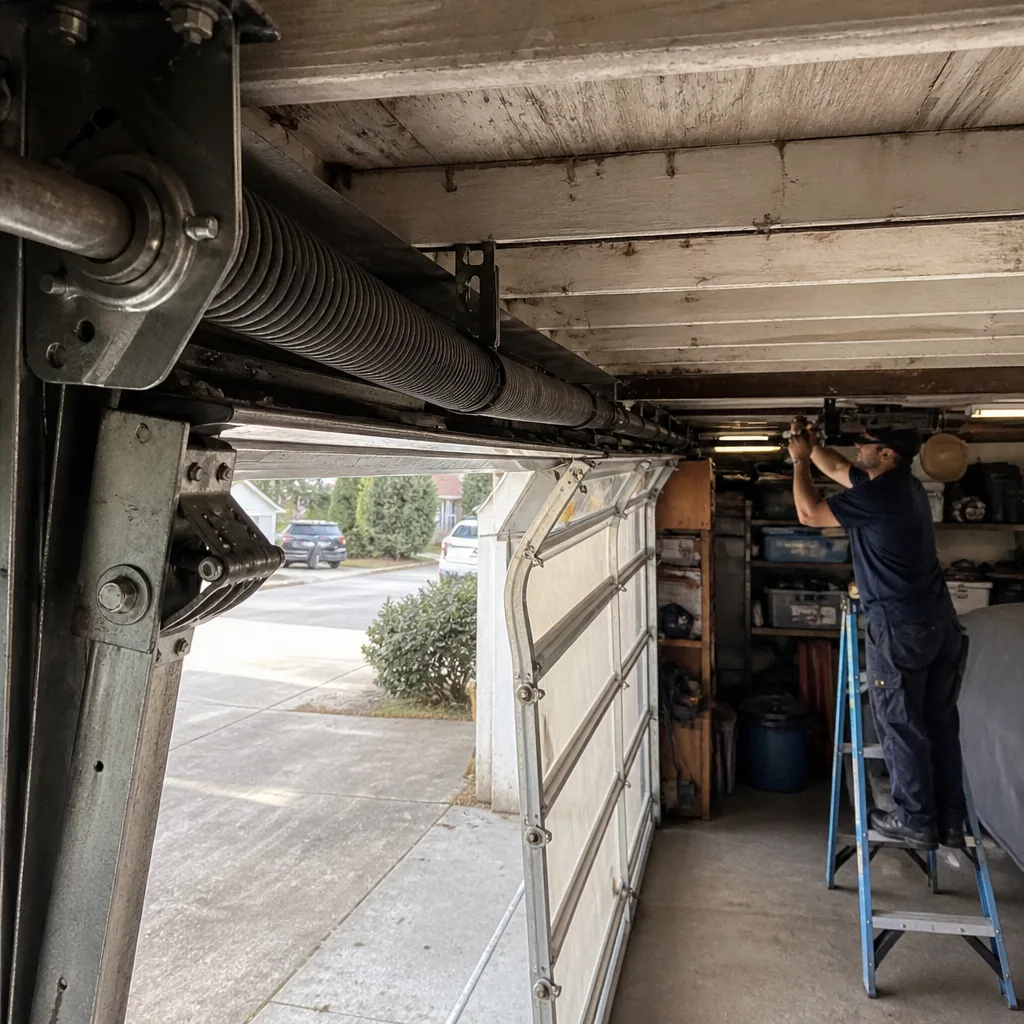 Before
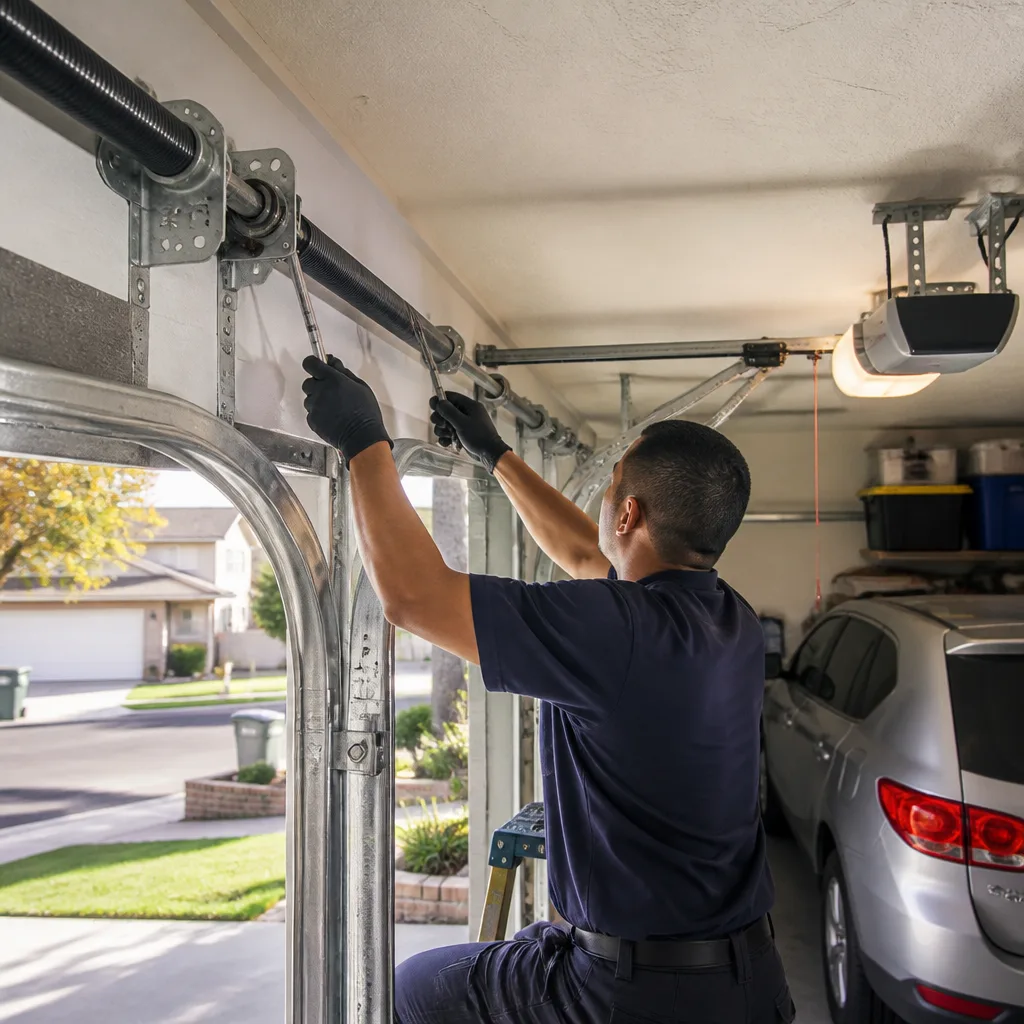 After
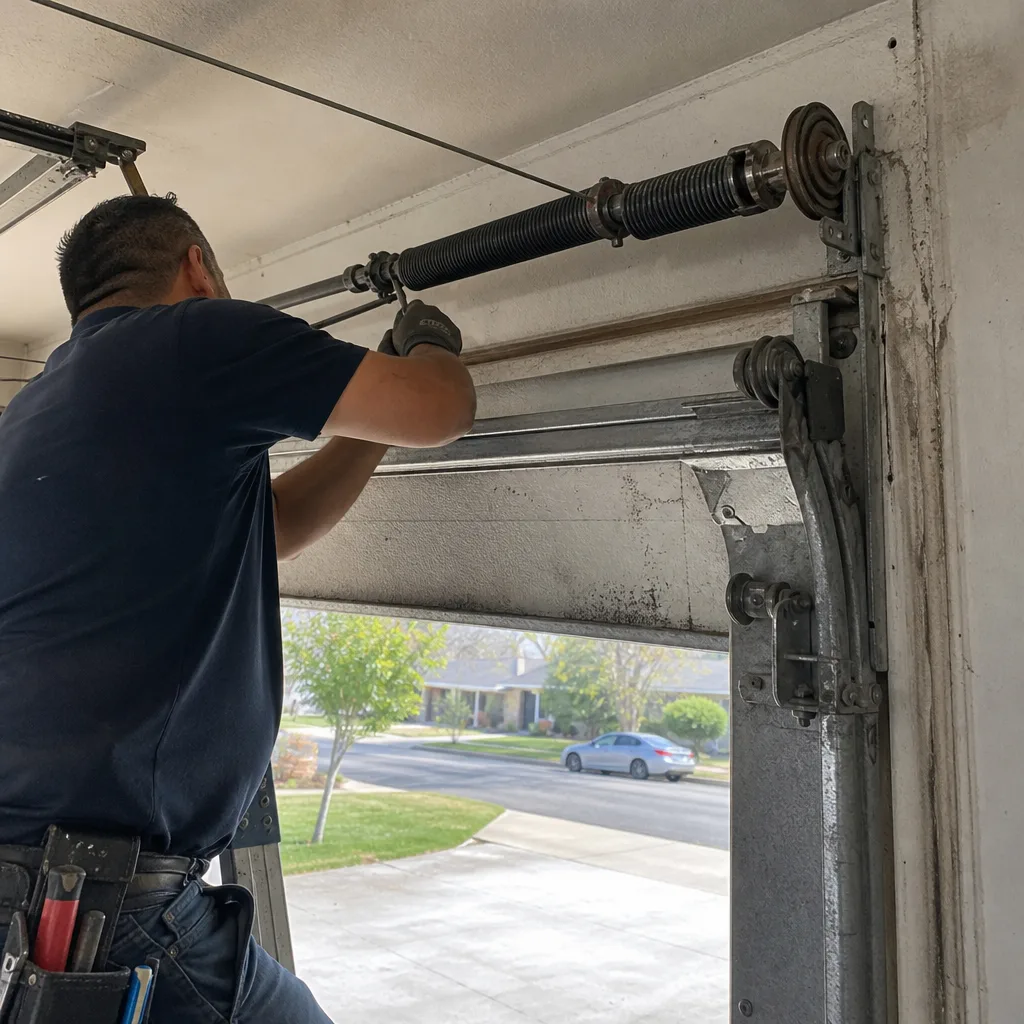 Before
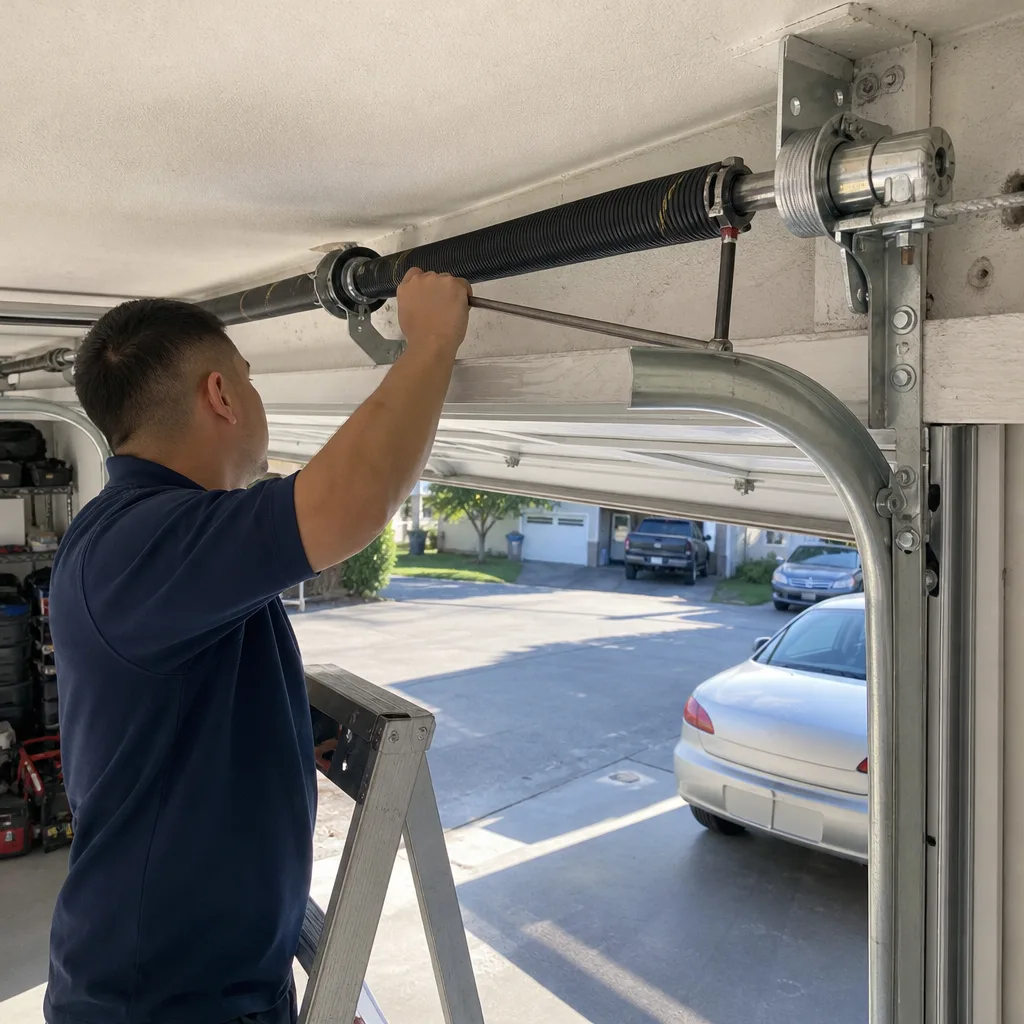 After
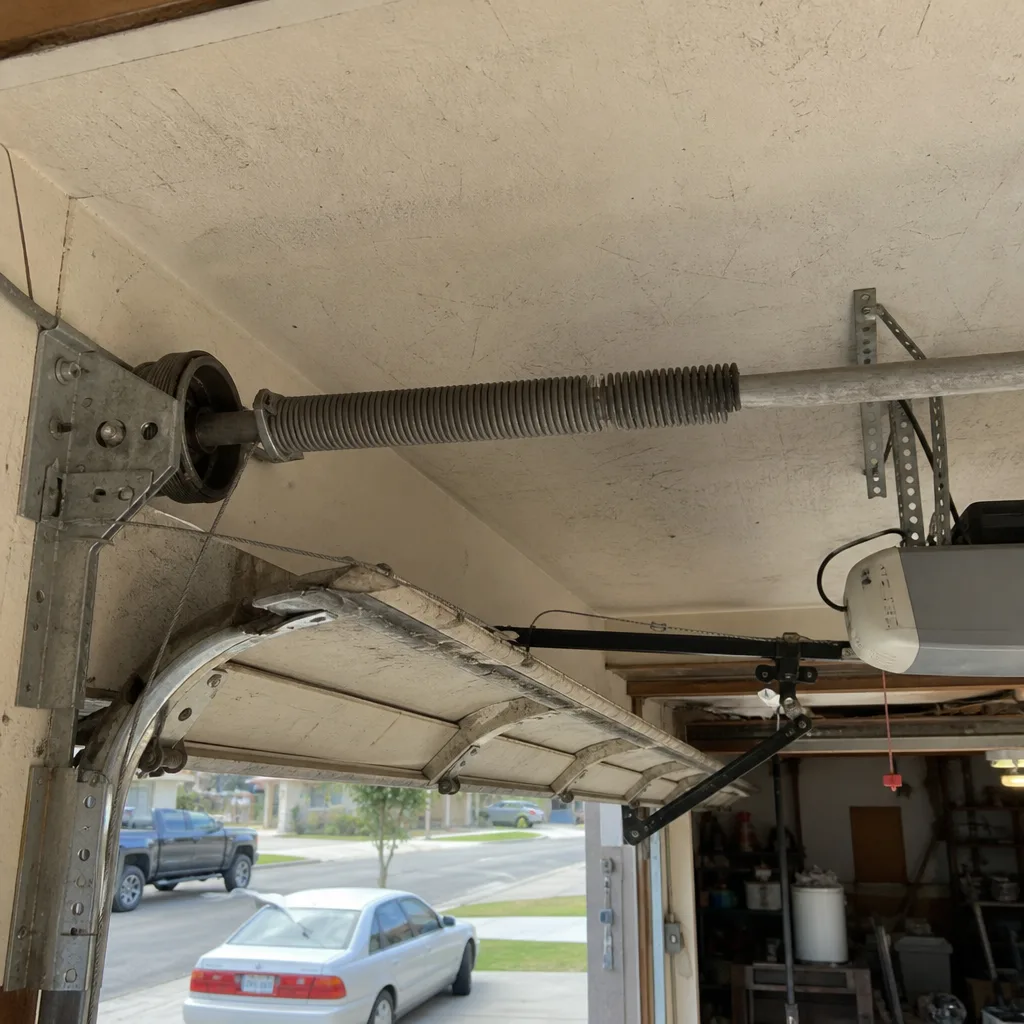 Before
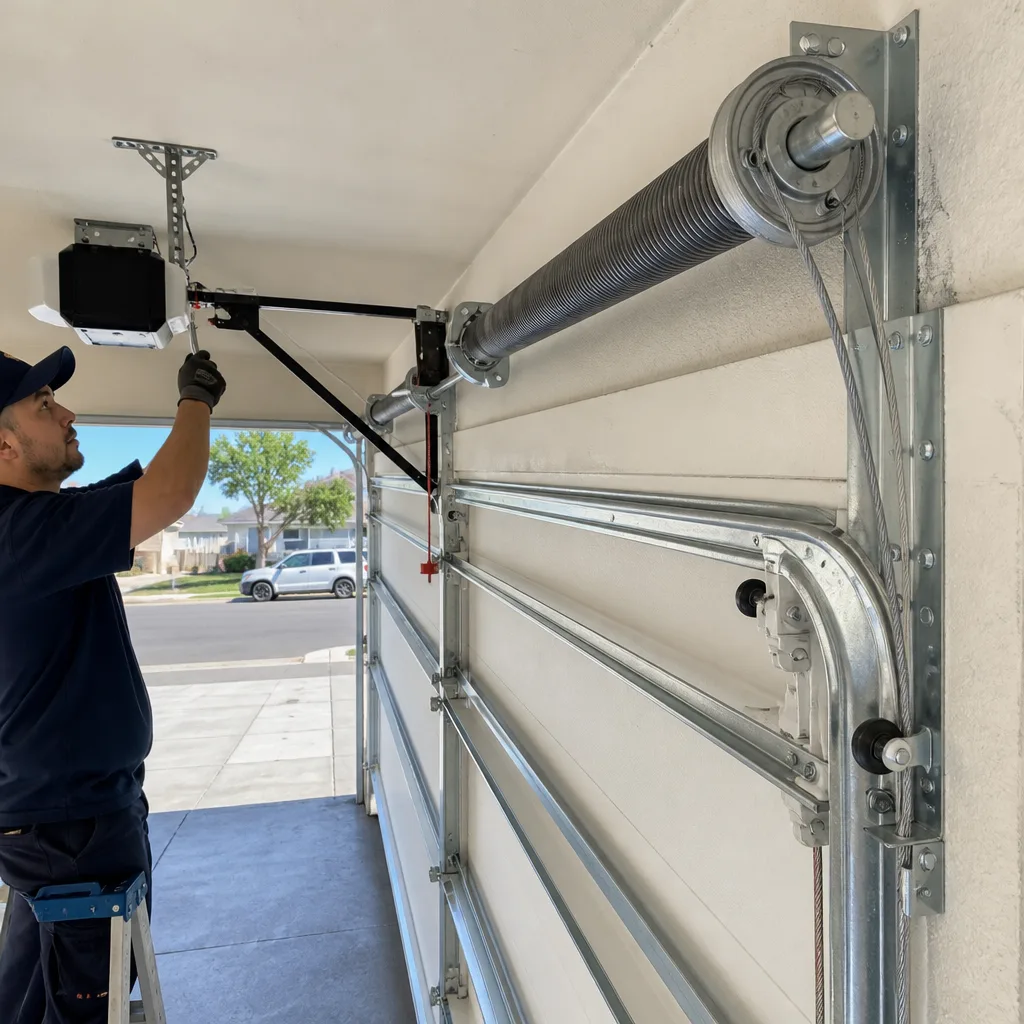 After