
Last updated November 2, 2026
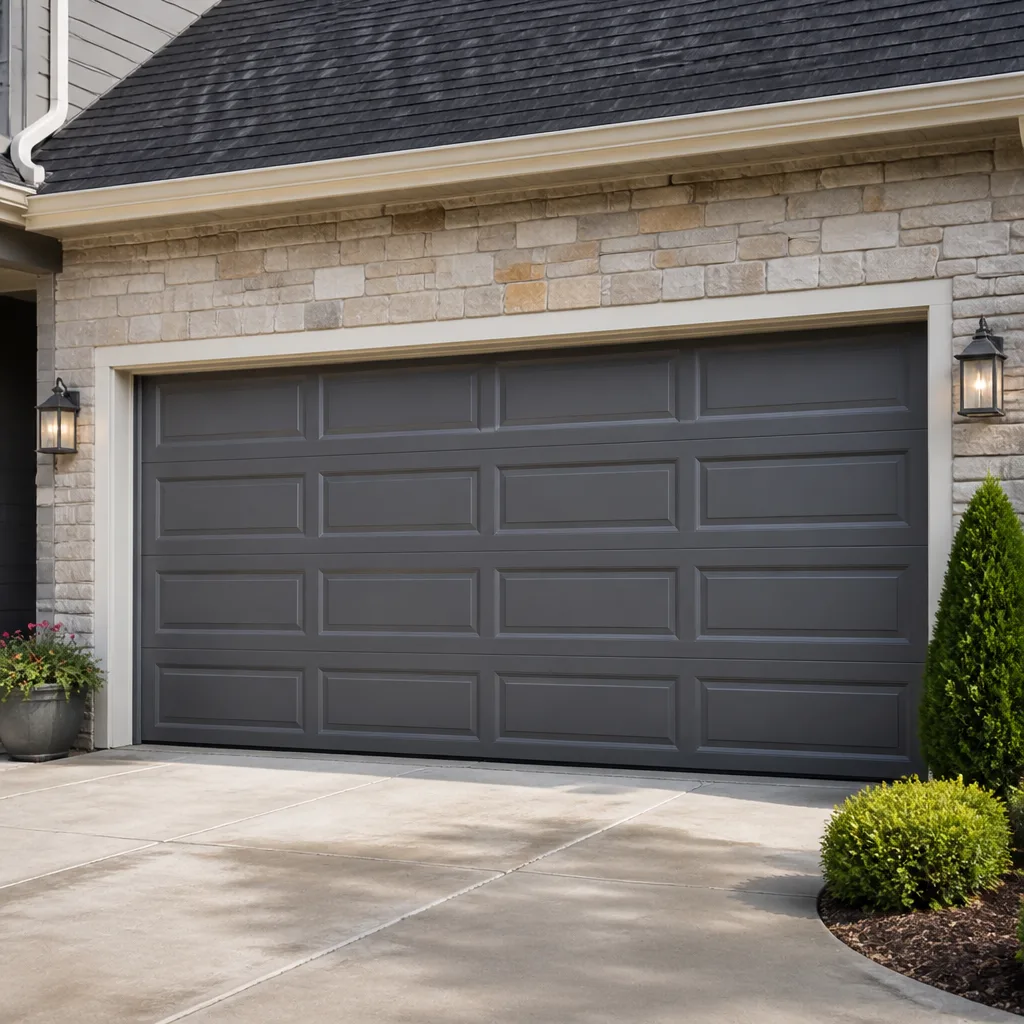 Raised-panel steel
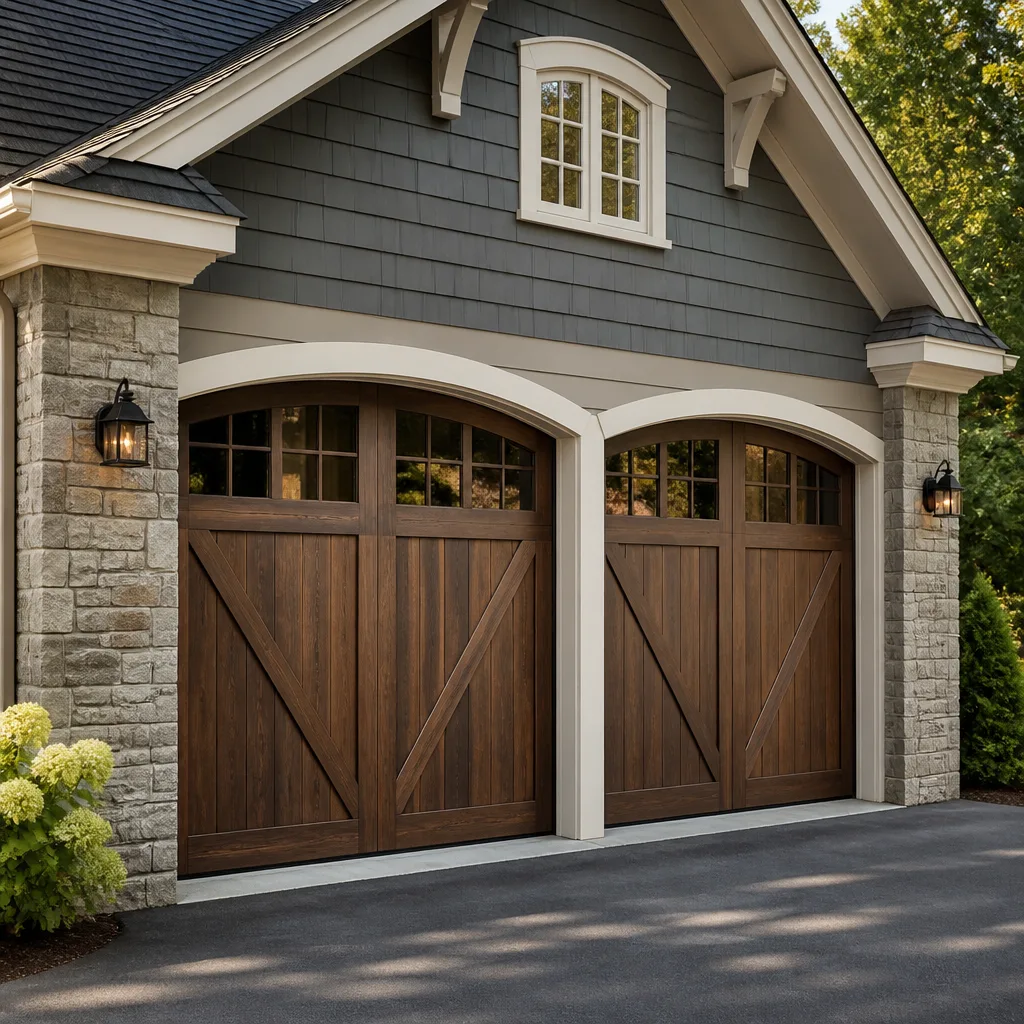 Carriage house
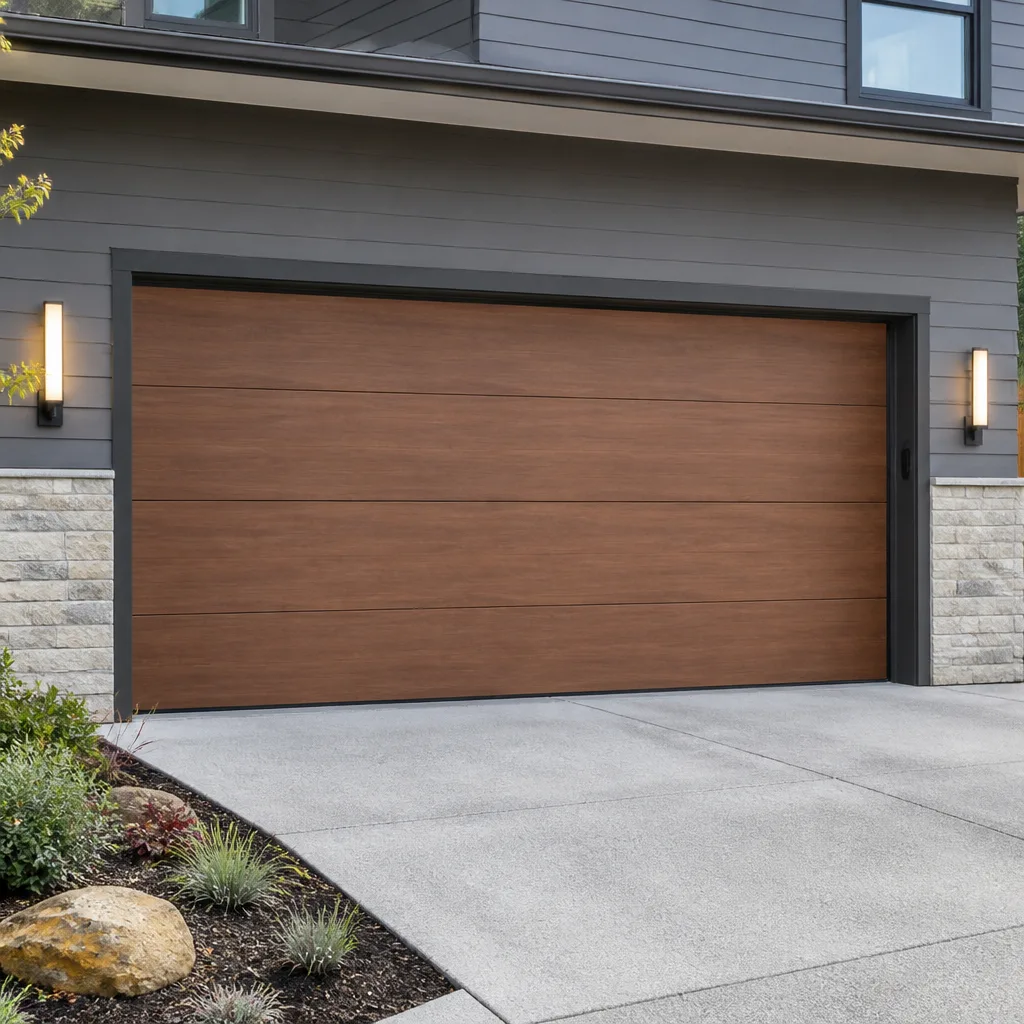 Modern flush
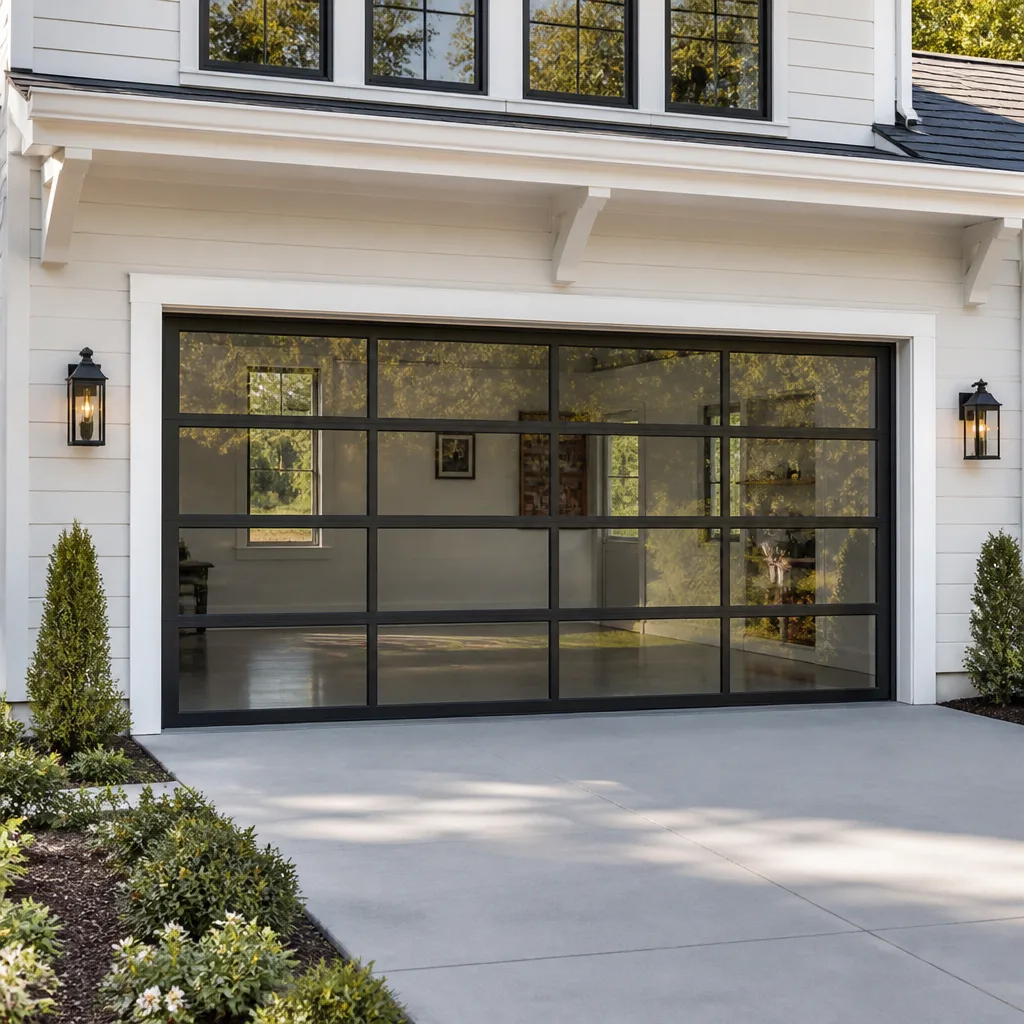 Full-view glass
 LiftMaster openers
 Chamberlain openers
Full 25-point door and opener safety check with every visit - springs, cables, rollers, tracks, and your LiftMaster or Chamberlain opener included
You get a price before we start. It does not change when the truck arrives.
Get your free estimateGarage Door Emergency Preparedness Guide for Placentia Homes
During a Southern California power outage, more than half of homeowners with automatic openers can’t manually release their door correctly. Not because the mechanism is broken, but because they’ve never done it before and the process isn’t intuitive when you’re standing in a dark garage at 6 a.m. trying to get to work. In Placentia, where the garage is often the primary entry and exit point for the home, this isn’t a minor inconvenience. It’s a household safety issue that belongs in the same conversation as earthquake kits and evacuation routes. This guide covers what actually happens when your garage door fails during an emergency, how to prepare for it now, and what to do when things go wrong at the worst possible moment. For more guides & resources, visit our blog.
Styles & brands we work with
- Raised-panel steel
- Carriage house
- Modern flush
- Full-view glass
- LiftMaster openers
- Chamberlain openers
Quick Answer
Garage door emergency preparedness in Placentia means knowing how to manually release your opener during a power outage, checking your door’s structural condition before earthquake season, and having a plan for when the door fails mid-travel. Most emergencies involve one of three failures: no power, a broken spring or cable, or a door that’s come off its tracks. Each has a different response, and doing the wrong one can turn a $150 repair into a full track and panel replacement. Our Garage Door Repair Troubleshooting: Common Problems and How to Fix Them walks through each scenario.
Table of Contents
- Why Placentia Homes Need a Garage Door Emergency Plan
- How to Manually Release Your Garage Door During a Power Outage
- Battery Backup Openers: What’s Worth It for Placentia
- Earthquake Preparedness: What a Seismic Event Does to Your Door
- Wildfire Evacuation: Why Your Garage Door Matters When Minutes Count
- What to Do When Your Door Fails Mid-Travel
- Preventive Checks You Can Do This Weekend
- Common Mistakes to Avoid
- When to Call a Professional
- Frequently Asked Questions
- The Bottom Line
Why Placentia Homes Need a Garage Door Emergency Plan
Placentia sits in a specific spot on the Southern California grid. We’re far enough inland that summer heat waves strain electrical infrastructure, close enough to the foothills that wildfire-related public safety power shutoffs are a real possibility, and squarely in earthquake country. The median Placentia home was built in the 1970s or 1980s, which means most garage door systems are either original equipment or replacements installed without battery backup or modern safety sensors.
Here’s what that means in practice: when power goes out in Placentia, it tends to go out during peak demand. August afternoons. Santa Ana wind events. The exact moments when you’re most likely to need your car. And the garage door, which you’ve opened a thousand times without thinking, suddenly becomes a barrier rather than a convenience.
The suburban layout matters too. Placentia’s residential streets are built around attached garages that face the street or side driveways. Most homes don’t have a separate pedestrian gate from the backyard to the driveway. If the garage door won’t open and you don’t have a side door into the garage, your car is trapped and your primary exit is compromised. That’s not a theoretical problem. We’ve seen it happen during rolling blackouts in the Alta Vista and Golden Avenue neighborhoods, and the homeowners who had practiced their manual release were the ones who got to work on time.
How to Manually Release Your Garage Door During a Power Outage
The manual release cord is the red handle hanging from the opener rail. You’ve seen it a hundred times. But pulling it isn’t always enough, and the sequence depends on your opener brand and whether the door is open or closed when the power fails.
Here’s the step-by-step procedure for the most common setups in Placentia homes. This takes about two minutes to learn and about thirty seconds to execute once you’ve practiced it.
- Confirm the door is fully closed. If the door is partially open, do not pull the release cord yet. A door that’s mid-travel when power fails is a trickier situation, covered later in this guide.
- Locate the emergency release cord. It hangs from the trolley on the opener rail, usually mid-rail or slightly toward the motor unit. On LiftMaster and Chamberlain openers, the cord has a red plastic handle. Genie openers use a similar red cord. Craftsman units, which are manufactured by Chamberlain, match the LiftMaster design.
- Pull straight down firmly. You’ll feel the trolley disengage from the chain or belt drive. On most LiftMaster, Chamberlain, and Craftsman models, you’ll hear a distinct click and the cord will stay in the released position.
- Lift the door manually. Grab the door handle or the bottom edge and lift with your legs, not your back. A properly balanced door should feel heavy but manageable, around 8 to 15 pounds of lifting effort at the bottom. If it feels like it weighs 80 pounds or won’t stay up on its own, stop. That’s a spring problem, not an opener problem, and forcing it risks injury.
- Open the door fully and secure it. A door in good condition will stay in the open position on its own. If it starts drifting back down, the springs are worn and need attention before you rely on manual operation.
- To close the door manually, lower it slowly and verify it seats fully against the ground. Lock the door if you have a manual slide lock on the track.
To reconnect, pull the release cord toward the motor unit and run the opener. The trolley will re-engage on most brands automatically. If it doesn’t catch on the first try, press the wall button once to cycle the opener. One caution here: this is a high-tension mechanical system. If the door feels unusually heavy during any manual operation, the torsion springs are likely failing. That’s not a DIY fix. Call a professional before someone gets hurt.
Practice this procedure twice a year. Do it in daylight, with the power on, so the sequence is muscle memory when you need it in the dark. If you live in a Placentia neighborhood that’s seen recent rolling blackouts, make this a quarterly habit. The Rosewood Garage Door Repair home team covers Placentia and the surrounding area, and we’ve walked hundreds of homeowners through this exact sequence during service calls.
Battery Backup Openers: What’s Worth It for Placentia
California building code now requires battery backup on all new garage door opener installations in residential construction. For details on local requirements, see Garage Door Permits, Codes & Inspections in CA: What You Need to Know. That’s a response to what happened in wildfire evacuation zones, where people couldn’t open their garage doors when the power was cut, trapping cars inside. If your opener predates that requirement, you have options.
LiftMaster and Chamberlain offer factory battery backup units that integrate directly with their openers. The LiftMaster 8550W and Chamberlain B970 are common choices. Genie offers the Aladdin Connect series with backup capability. These units provide roughly 20 to 30 full open-and-close cycles on battery power, which sounds modest until you realize that’s several days of normal use for most households. The battery charges automatically when main power is on and switches seamlessly during an outage.
For Placentia specifically, the value calculation comes down to outage frequency and your household’s schedule. If you’re home during the day and can operate the door manually, a battery backup is a convenience. If you commute, have kids in school, or share the garage with multiple drivers, it’s closer to a necessity. The cost difference between a standard opener and a battery backup model is often less than $150. The first time you’re running late and the power’s out, that’s money well spent.
Retrofit options exist for some existing openers. Wayne Dalton and Raynor both make models that accept backup batteries. If your current opener doesn’t support a retrofit, a full opener replacement with a backup-capable unit is the cleanest path. In our experience working on openers across Placentia, the retrofit works about half the time. Older units simply weren’t designed for the current draw of a battery module. Ask a professional before buying parts; the compatibility chart on the box doesn’t always tell the whole story.
Earthquake Preparedness: What a Seismic Event Does to Your Door
Placentia sits about seven miles from the Whittier Fault and roughly twenty-five miles from the San Andreas. The U.S. Geological Survey puts us in a high seismic hazard zone. A magnitude 5.5 or stronger event close enough to feel strongly will do specific things to garage door systems, and knowing what to look for afterward can prevent a door from collapsing on your car or, worse, on a person.
During an earthquake, the garage door tracks flex. The door itself twists. The opener rail, which is bolted to the ceiling, moves independently of the door panels because the ceiling framing and the wall framing shift at different rates. When the shaking stops, three failures are most common:
- Track misalignment or separation. The vertical and horizontal track sections are joined by bolts. Seismic force can loosen these joints or bend the track mounting brackets. A door that was smooth before the quake and suddenly binds or grinds afterward almost always has track damage.
- Cable derailment. The lift cables on each side of the door live on drums at the top. If the drums shift or the cables slack during shaking, they can jump the drum and wrap incorrectly. When that happens and you hit the opener button, one side lifts while the other doesn’t, and the door jams diagonally. That’s a door that can fall.
- Foundation or frame shift. This is the big one for Placentia’s 1970s-era construction. If the concrete stem wall under the door opening settles or shifts even a quarter inch, the door no longer seals evenly at the bottom, and the tracks lose their vertical reference. A shifted frame often means the door needs a full reinstallation, not just a spring adjustment.
- Do not stand under the door. Do not walk through the opening. Do not try to push the door up or pull it down. That’s exactly when these doors fall.
- Do not pull the emergency release cord. The release cord disengages the opener, leaving the door supported only by whatever’s left of the spring system. If a spring just failed, pulling the cord can cause a free-fall.
- Unplug the opener or disable the wall button. This prevents anyone from pressing the button and trying to run the door in a state where it can’t move safely.
- If the door is open enough for a person to squeeze under, do it quickly and without touching the door. Move everyone and everything out from under the door’s path. Keep pets away. A door in this condition can let go at any moment.
- Call a professional. This is not a repair that anyone should attempt without the right tools and training. Torsion springs store enough force to break bones or worse. We’ll say this plainly because it needs to be said plainly: a broken spring repair is a job for someone who does it every day, and no amount of YouTube research changes that.
- Test the balance. Pull the manual release cord and lift the door halfway. It should stay put. If it drifts up or down, the springs are failing and need replacement soon.
- Inspect the cables. Look at the two lift cables running down each side of the door. Fraying looks like a cheese grater has been applied to the bundle. Any individual broken strand means the cable is on borrowed time.
- Listen to the opener. Grinding sounds from a chain drive opener usually mean the sprocket or gears are wearing. On belt drive openers, a slapping belt indicates tension loss. Both are early warnings.
- Watch the rollers. Nylon rollers with cracked wheels or missing bearings cause the door to chatter and bind. Steel rollers that aren’t rolling are grinding flat spots into the track.
- Check the weather seal. In Placentia’s summer heat, bottom seals on west-facing garage doors dry out and crack faster than east-facing ones. A cracked seal lets in dust, pests, and rainwater during the winter months.
- Pulling the emergency release while the door is open. This is the most common mistake we see. The release cord is designed to disengage the door from the opener when the door is closed. If you pull it with the door open, the door can slam to the ground. In older Placentia homes without modern safety cables, a slammed door bends the bottom panel and often cracks the opener rail.
- Replacing only one spring. Torsion springs are installed in pairs and wear at the same rate. If one breaks and you replace just that one, the other is already fatigued and will fail soon, costing you a second service call. Springs are rated for the same number of cycles; the reason one breaks first is minor manufacturing variance, not that it was working harder than its partner.
- Lubricating the track. Tracks don’t need lubrication. What needs lubrication is the rollers, the hinges, the spring coil, and the opener rail. Grease on the tracks collects dust and makes the door bind. Use a silicone spray on moving parts, nothing on the rails.
- Using WD-40 on every component. WD-40 is a solvent, not a lubricant. It’s fine for loosening a rusted bolt but does nothing for garage door springs or rollers long term. Use white lithium grease on the springs and a silicone-based lubricant on the rollers and hinges.
- Ignoring a slow door. When a garage door opener starts running slowly, it’s usually the capacitor or the gears wearing out. People let it go for months, then the opener fails completely, usually with the door open. If your opener cycles slower than it did a year ago, get it checked before it quits.
- Attempting DIY spring replacement. Every year people are seriously injured or killed by garage door springs. Torsion springs are wound under 50 to 100 pounds of torque per spring. If you don’t have the right winding bars and know exactly how to use them, you’re gambling with your hands, eyes, and life. We’ve responded to so many DIY spring repair attempts in Placentia that ended with bent tracks, broken windows, and trips to urgent care. It’s never worth it.
After any earthquake that you can feel inside your home, do a visual check before operating the door. Look at the track bolts. Look at the cables on both sides. Open the door and watch for one side moving ahead of the other. If you notice anything unusual, do not use the door until a professional has inspected it. Earthquake damage to a garage door is like a cracked tooth: it doesn’t fix itself, and using the door makes it worse. We’ve done post-quake inspections in Placentia where a door that looked fine from inside the garage had pulled its top track mounting bolts halfway out of the wall studs.
Wildfire Evacuation: Why Your Garage Door Matters When Minutes Count
Placentia isn’t in a high wildfire severity zone, but evacuation planning is regional. The Canyon Fire 2 in 2017 burned through Anaheim Hills and forced evacuations in Yorba Linda, less than ten miles from Placentia’s eastern neighborhoods. Santa Ana wind events routinely prompt preemptive power shutoffs across Orange County. If you’re ordered to evacuate, your garage door can’t be an obstacle.
During a fire evacuation, power is often cut before the evacuation order reaches your phone. That means your opener is dead. Your options are manual release or a battery backup opener. We covered the manual release procedure earlier in this guide, and it works. But in the stress of an evacuation, with smoke in the air and your family in the car, fine motor coordination degrades. A battery backup opener is the difference between pressing a button and fumbling with a release cord in a dark, hot garage.
There’s another consideration: the door’s heat exposure. In a fire-adjacent evacuation, your garage door may face radiant heat before you leave. Wood and vinyl-back doors warp at lower temperatures than steel. A warped door won’t track properly, even with a functioning opener. If you live in the northern part of Placentia near the hills, pay attention to what your door is made of. Steel doors with polyurethane insulation hold their shape better than wood or vinyl. Amarr and Wayne Dalton both make steel doors that perform well in these conditions. The material matters more than the brand name, but if you’re replacing a door and wildfire exposure is on your mind, specify insulated steel.
One more practical note: keep the area around your garage door’s emergency release clear. In an evacuation, you’re not going to think about the box of holiday decorations stacked under the opener rail. Move it now. You need three feet of clear vertical space below the release cord to pull it effectively.
What to Do When Your Door Fails Mid-Travel
A door that stops halfway open or halfway closed is the most dangerous garage door condition of all. It’s not a power problem, it’s usually a spring or cable failure, and both mean the door’s counterbalance system is compromised. A sectional garage door weighs 150 to 300 pounds. If a spring breaks while the door is mid-travel, the door can drop suddenly. If a cable snaps, the door can twist and derail.
Here’s the sequence if this happens to you:
For temporary securing, if you must leave the door in a partially open state overnight, a pair of vice grips clamped onto the track just above a roller can slow a door that’s creeping down. But that’s a stopgap for a door that’s slowly drifting, not one that’s actively failed. A door with a broken spring should be left alone until it’s repaired. Don’t pile boxes or furniture underneath it thinking that will catch it. A falling sectional door will go through a stack of boxes like they’re not there.
Preventive Checks You Can Do This Weekend
Most garage door emergencies in Placentia are preventable. The average garage door cycles open and closed about 1,500 times per year, and the components wear on a predictable schedule: springs every 7 to 10 years, cables every 5 to 8 years, rollers every 5 to 7 years, and opener gears every 8 to 12 years. Our Garage Door Repair Maintenance Checklist for Placentia Homeowners covers what to check without any special tools:
These checks take fifteen minutes. If you find something concerning, Garage Door Repair in Valinda covers the same brand and service approach we offer in Placentia, and any Rosewood technician can perform a full safety inspection. We work on LiftMaster, Chamberlain, Genie, Clopay, Amarr, Wayne Dalton, Craftsman, and Raynor, so whatever is already in your garage, we’re trained on it. No guesswork, no “we don’t service that brand” phone calls.
Common Mistakes to Avoid
When to Call a Professional
Some garage door issues are genuinely DIY. A misaligned safety sensor that needs a gentle nudge. A remote that needs new batteries. Weatherstripping that’s peeling away from the bottom of the door. These are fine to handle yourself.
Other situations demand a trained technician. Broken torsion springs. Snapped lift cables. Doors that have come off their tracks. Any issue where the door is stuck in a partially open or closed position. Opener failures where the motor runs but the door won’t move. All of these involve stored mechanical energy or a door that’s not properly supported, and the consequences of a mistake are severe.
As a rule of thumb: if you can see the spring, the cable, or the track is involved, call someone who does this every day. Rosewood Garage Door Repair offers free estimates in Placentia. Call (855) 382-4857 and we’ll tell you what’s wrong, what it costs, and what your options are. The estimate comes before any work starts, and the price doesn’t change once we see the door. If you’re unsure whether something is an emergency or a routine fix, call anyway. We’d rather answer questions than respond to an injury.
Frequently Asked Questions
Pull the red emergency release cord hanging from the opener rail to disengage the trolley, then lift the door manually. This works on LiftMaster, Chamberlain, Genie, Craftsman, and most other brands installed in Placentia homes. Practice this in daylight before you need it in the dark.
Spring replacement in Placentia typically runs $180 to $340 depending on the door size, spring type, and whether both springs are replaced at once. We always recommend replacing both springs together since they wear at the same rate. Call (855) 382-4857 for an exact quote on your door.
In most cases, yes. Common opener failures like stripped gears, bad capacitors, and broken belts can be repaired same-day, and our service trucks carry parts for LiftMaster, Chamberlain, Genie, and Craftsman openers. For a same-day appointment in Placentia, call early. Our schedule usually fills by mid-morning during summer months.
Check the track bolts for looseness, look at the lift cables on both sides, and watch the door during the first open cycle to confirm it moves evenly. If anything binds, grinds, or looks misaligned, stop using the door and have a professional inspect it. Earthquake damage compounds quickly if the door keeps cycling on damaged hardware.
No, unless you have a battery backup opener. Standard openers require AC power to operate. Battery backup models from LiftMaster, Chamberlain, and Genie provide 20 to 30 cycles on battery power, enough for several days of normal use. If you live in a Placentia neighborhood that’s experienced rolling blackouts, a backup opener is worth considering.
Yes. A door that’s partially open with a broken spring is supported by nothing except the opener’s J-arm, which isn’t designed to hold the door weight. The door can drop suddenly. Don’t stand under it, don’t pull the release cord, and don’t try to close it manually. Call a professional. This is one of the most common emergency calls we get in Placentia.
Most openers last 10 to 12 years in Southern California. Placentia’s inland heat is harder on opener electronics than coastal climates because the motor unit and logic board bake in the garage heat during summer. If your opener is approaching that age and starting to show signs of wear, replacement is cheaper than emergency repair.
The Bottom Line
Garage door emergencies in Placentia fall into three categories: power failures, mechanical failures, and earthquake-related damage. The first is something you can prepare for by practicing your manual release and considering a battery backup opener. The second is preventable with regular inspections and a willingness to replace wear parts on schedule rather than waiting for failure. The third is unpredictable but manageable with a post-event inspection routine. The common thread is that most garage door emergencies announce themselves weeks or months before they become actual emergencies. The door gets slower, the opener gets noisier, the balance drifts. Pay attention to those signals, and you’ll rarely face a door that fails when you need it most. When you do need help, Garage Door Opener Repair in Valinda is handled by the same Rosewood team that serves Placentia with certified work on all eight major brands. Call (855) 382-4857 for a free estimate. We’ll tell you the truth about what’s wrong, what it costs, and whether it needs fixing today or can wait.
Written by the team at Rosewood Garage Door Repair, serving Placentia since 2018.
See the difference
 Before
 After
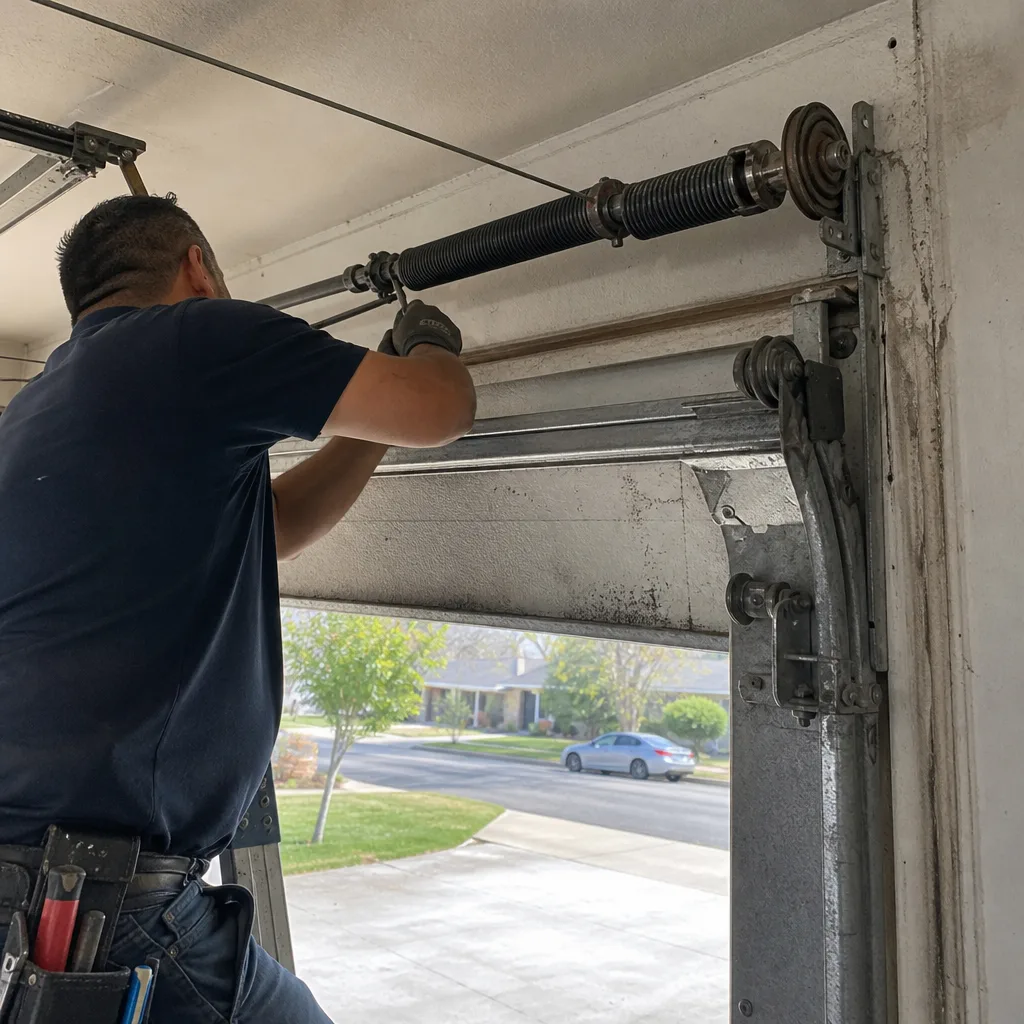 Before
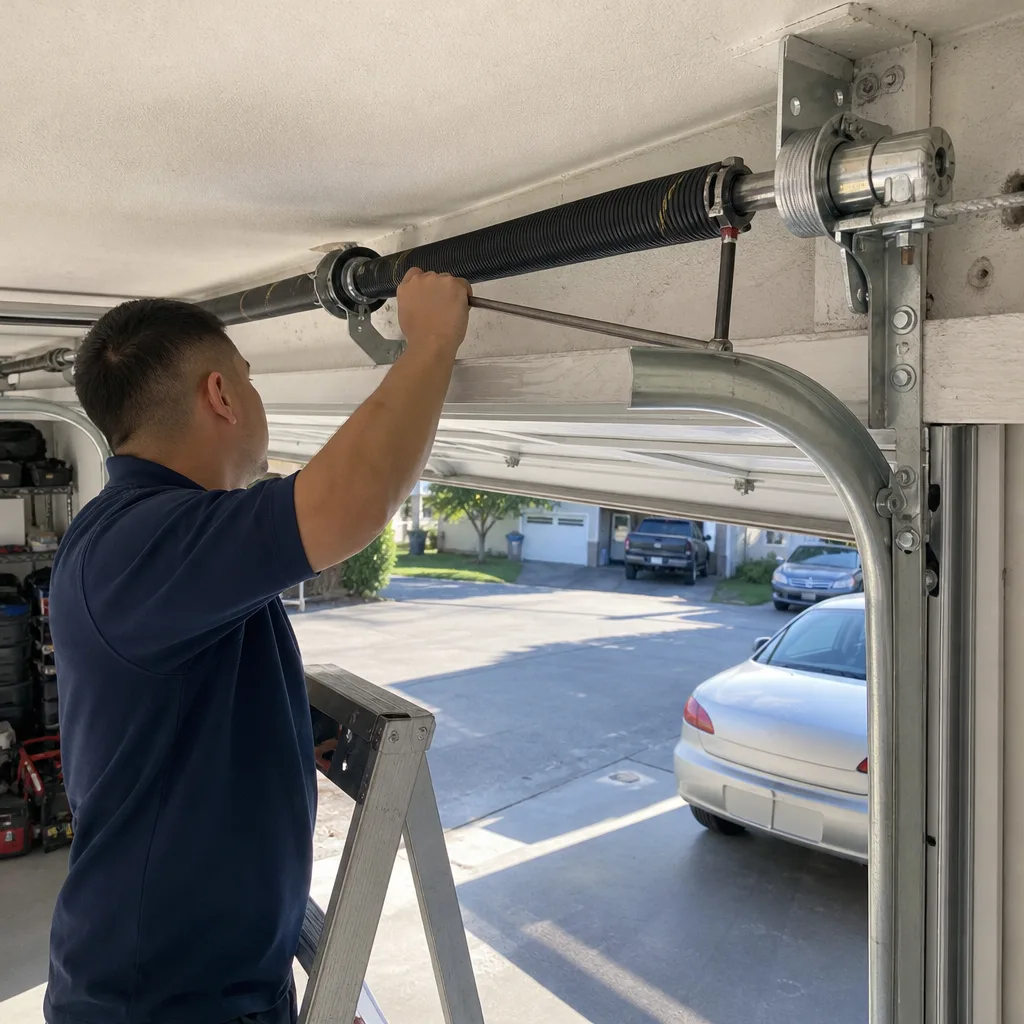 After
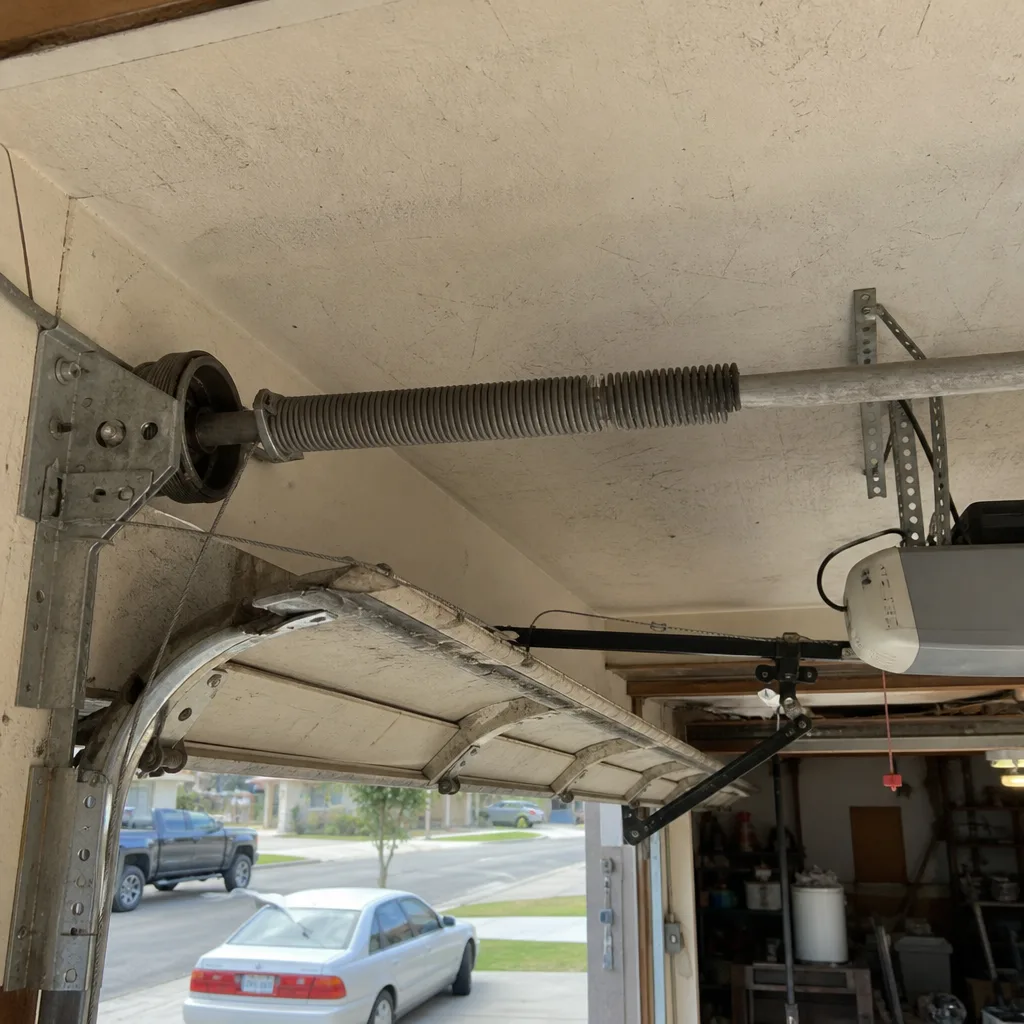 Before
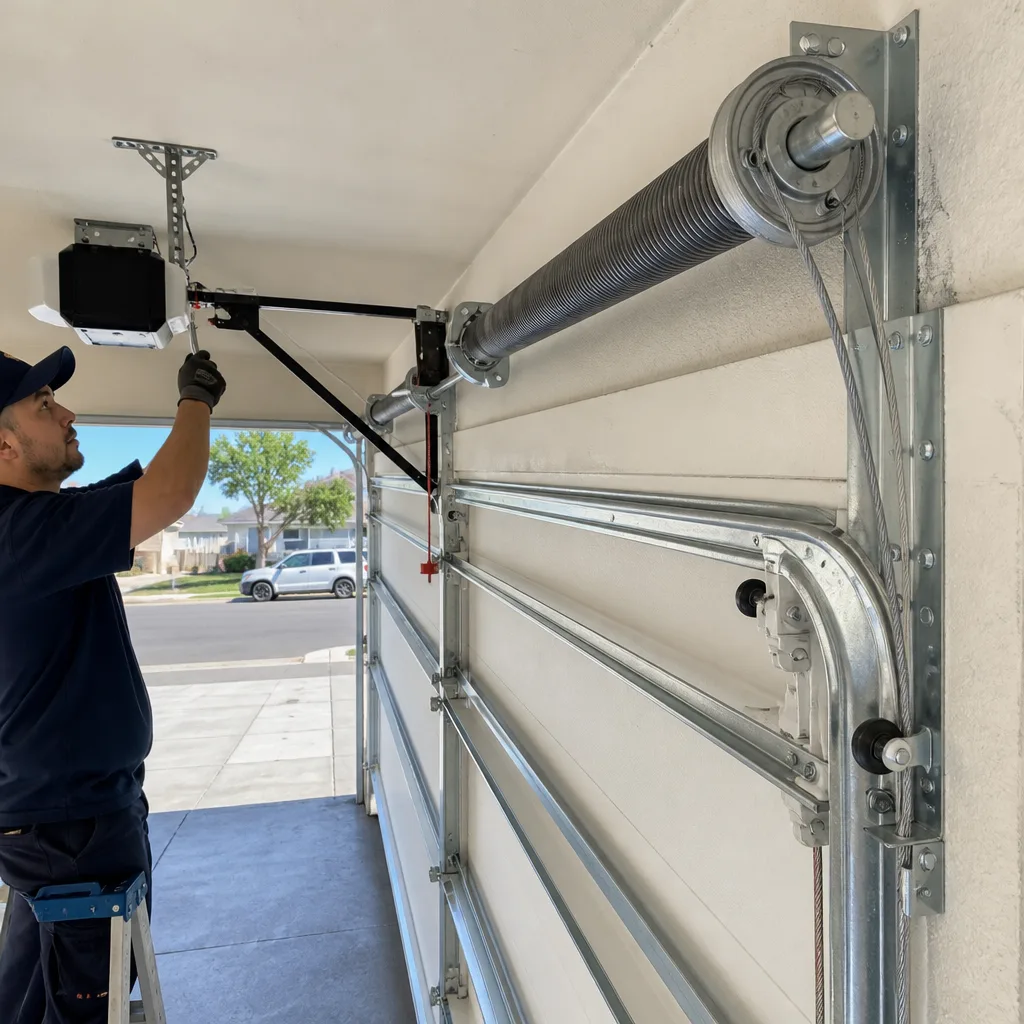 After