
Last updated November 2, 2026
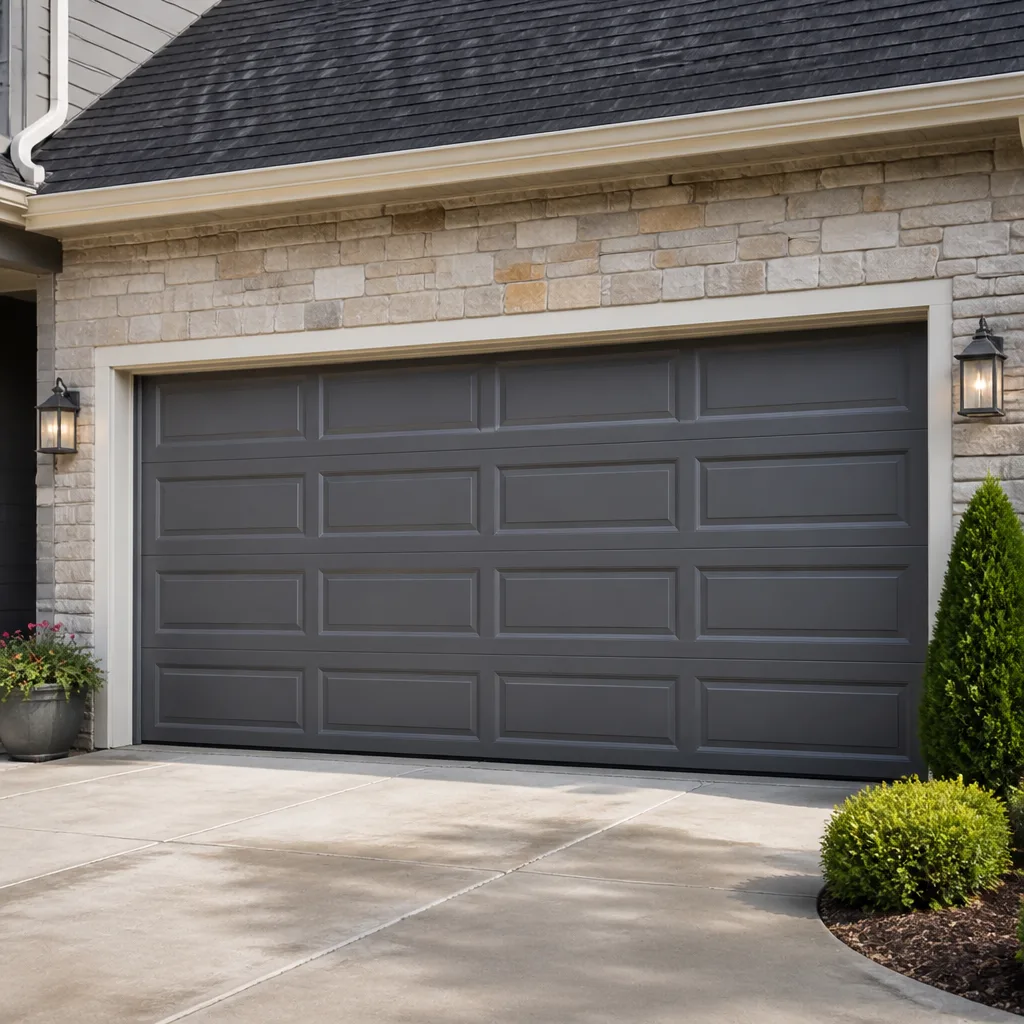 Raised-panel steel
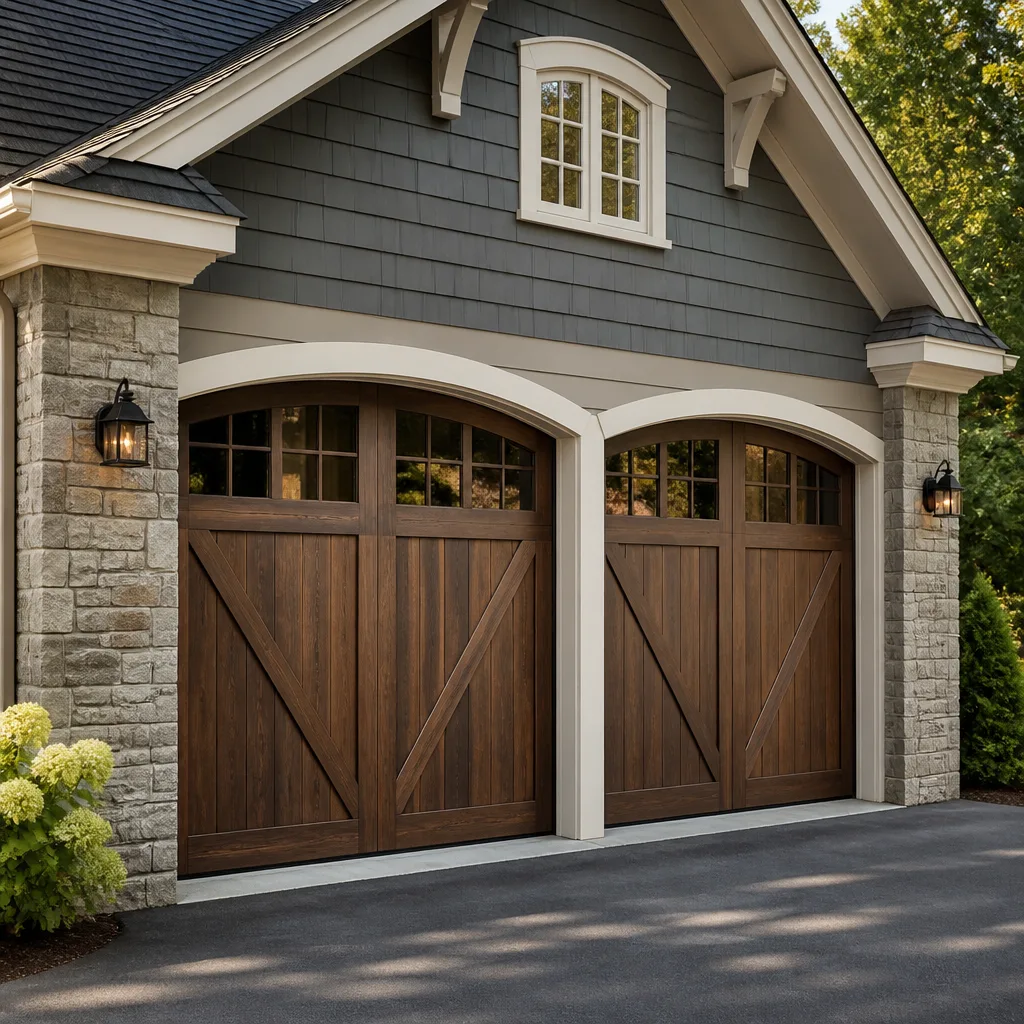 Carriage house
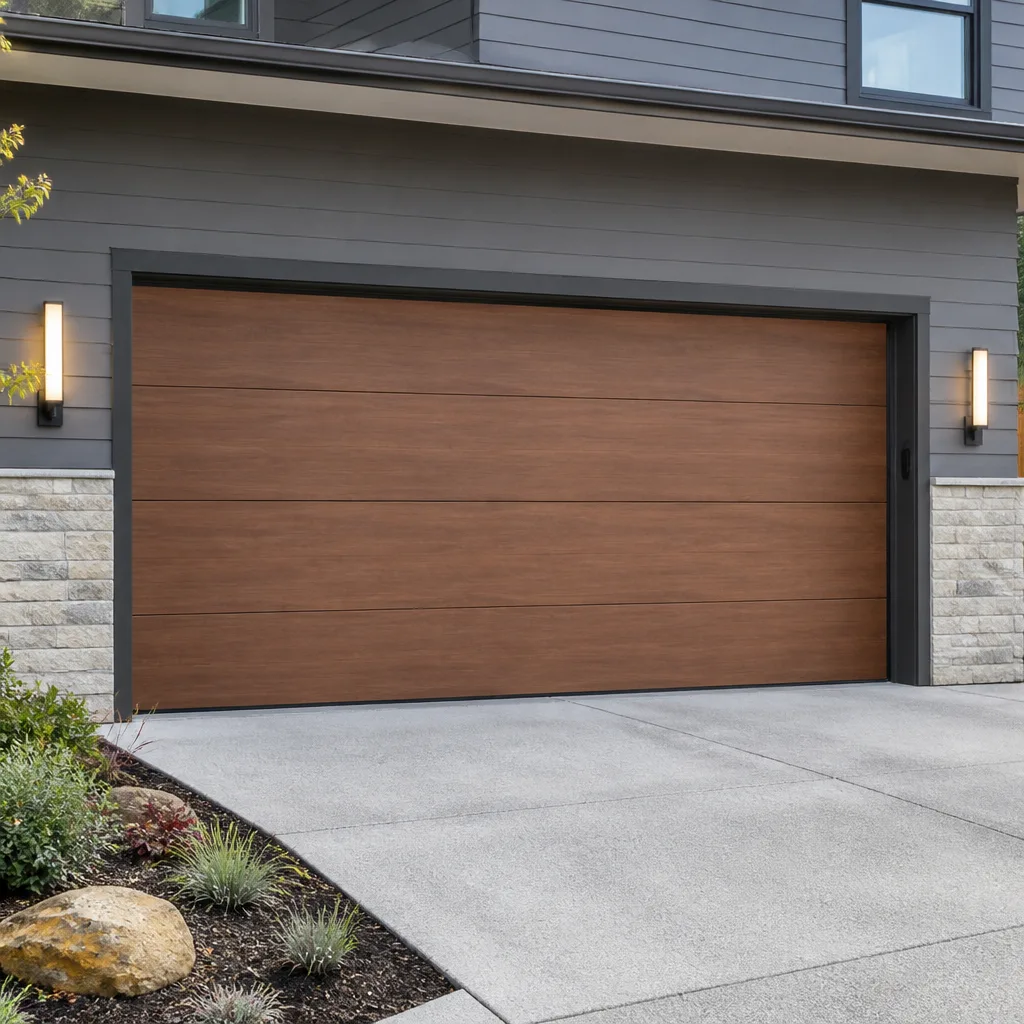 Modern flush
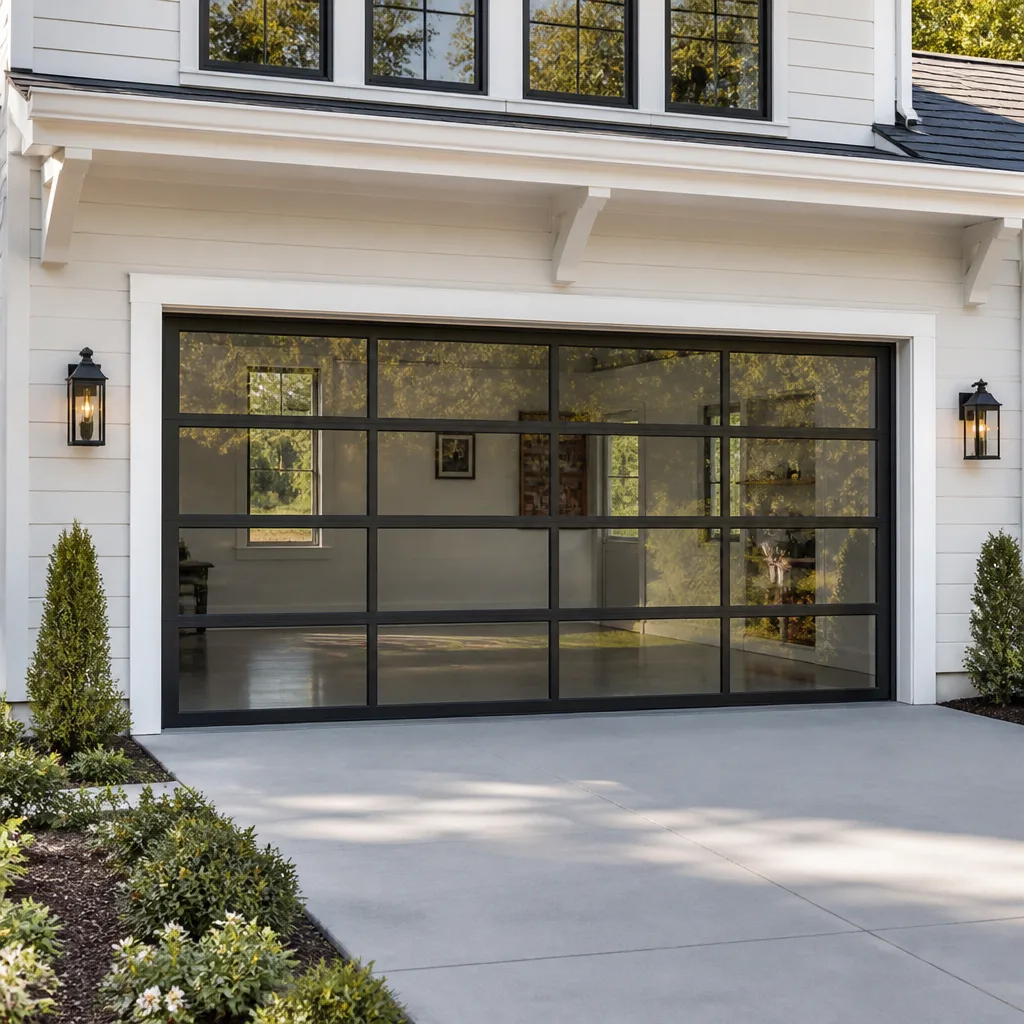 Full-view glass
 LiftMaster openers
 Chamberlain openers
Full 25-point door and opener safety check with every visit - springs, cables, rollers, tracks, and your LiftMaster or Chamberlain opener included
You get a price before we start. It does not change when the truck arrives.
Get your free estimateGarage Door Warning Signs: A Placentia Homeowner’s Reference Guide
The grinding sound your garage door makes every morning isn’t “normal wear” – it’s a specific mechanical event with a specific cause, and knowing which one determines whether you have days or months before a failure. Most Placentia homeowners hear these sounds hundreds of times before the door finally quits, and by then a $40 roller replacement has become a $400 track repair. This guide decodes the sounds, movements, and visual cues your garage door has been sending you, maps each symptom to its likely cause, and tells you which ones need attention today versus which can wait. For Seasonal Garage Door Care for Placentia: Year-Round Homeowner’s Guide on building a maintenance schedule, see our companion resource. By the time you finish reading, you’ll know more about your garage door’s warning system than most people learn in a lifetime of homeownership.
Quick Answer
The most common garage door warning signs in Placentia are grinding or popping sounds during operation, sagging on one side, hesitation or reversal mid-travel, visible cable fraying or spring rust, and rollers that wobble or appear cracked. Each symptom maps to a specific component – springs, cables, rollers, tracks, or the opener – and while some can safely wait weeks for repair, cable or spring damage should be addressed the same day because those parts hold the entire door’s tension and can fail catastrophically without further warning.
Styles & brands we work with
- Raised-panel steel
- Carriage house
- Modern flush
- Full-view glass
- LiftMaster openers
- Chamberlain openers
Table of Contents
- Sounds and What They Actually Mean
- Movement Warning Signs
- Visual Indicators You’re Probably Walking Past
- Same-Day Urgency vs. Scheduled Repair
- What Happens When You Ignore the Warning
- How Your Garage Door Type Affects Warning Signs
- A Practical Inspection Routine for Placentia Homes
- Common Mistakes to Avoid
- When to Call a Professional
- Frequently Asked Questions
Sounds and What They Actually Mean
Garage doors talk. The problem is that most homeowners don’t speak the language. Every sound a door makes during operation is a diagnostic signal, and the distinctions between them matter more than most people realize. A grinding noise and a popping noise come from completely different components and carry completely different urgency levels.
Here’s what we listen for when a Placentia homeowner describes a noise over the phone:
- Grinding or metallic scraping – This almost always points to rollers or tracks. Metal-on-metal grinding means the roller bearings have failed or the track is misaligned enough that the roller is dragging against the rail itself. On doors with metal rollers, the bearing inside the roller wears out and the wheel stops spinning, scraping along the track instead. Left unaddressed, this chews up the track and can score the roller stem.
- Squealing or high-pitched shrieking – This is typically roller bearing wear on nylon rollers or dry hinges. It’s annoying but rarely urgent. However, sustained squealing often precedes roller failure, and once a roller seizes completely, the door starts jerking and stresses the opener.
- Popping or banging from the spring area – A single loud pop during operation often means a spring is binding or a coil has shifted on the torsion tube. This is a warning sign you should not ignore, because torsion springs hold enormous tension. A loud bang followed by the door not moving at all usually means a spring has snapped. That’s a same-day call.
- Rattling or vibration – Loose hardware is the usual culprit. Bolts on the track brackets, hinges, or opener rail work themselves loose over time, especially on doors that cycle multiple times daily. Rattling isn’t urgent on its own, but the vibration it creates accelerates wear elsewhere.
- Clicking from the opener unit – A rapid clicking sound when you press the wall button, with no door movement, often means the opener’s capacitor or logic board is failing. On LiftMaster and Chamberlain openers specifically, a series of clicks without motor engagement is a common failure pattern we see in Placentia garages, especially units over 10 years old.
The key distinction: grinding and popping are mechanical failures in progress. Squealing and rattling are wear indicators. Knowing which is which tells you whether to pick up the phone today or put it on next month’s list.
Movement Warning Signs
Sound isn’t the only signal. The way your door moves – or doesn’t move – reveals just as much about its condition, and some of the most serious problems announce themselves silently through movement patterns that seem minor.
Sagging on one side. A door that hangs lower on the left or right, or that appears uneven in the opening, indicates a tension imbalance. On torsion spring systems, one spring may be failing while the other is still holding, creating uneven pull. On extension spring systems, a broken spring on one side is the usual cause. Either way, the door is now putting asymmetric stress on everything: tracks, cables, hinges, and the opener itself. A door that sags visibly should not be operated more than necessary until inspected.
Hesitation mid-travel. If your door pauses for a beat partway up or down, then continues, something is creating intermittent resistance. Common causes include a track section that’s slightly bent, a roller binding at a specific point, or an opener that’s struggling against increasing door weight. On Genie and LiftMaster openers with force-sensing technology, hesitation can also be the opener’s safety system backing off because it’s detecting resistance above its programmed threshold. The hesitation is the early warning. The full stop with reversal is the failure.
Reversal before closing. A door that starts down, stops, and reverses back up is usually trigger the safety sensors. In Placentia, direct sunlight hitting the sensor eye in the late afternoon is a surprisingly common cause – the infrared beam gets washed out by sun glare, and the sensor reads it as an obstruction. But reversal can also mean the door is detecting actual resistance: a track obstruction, a failing spring changing the door’s balance point, or limit settings that have drifted. If cleaning the sensor lenses and adjusting their alignment doesn’t fix it, there’s a mechanical reason.
Jerky or uneven movement. A door that visibly shudders or moves in small lurches rather than smoothly is fighting something. Damaged rollers, worn hinges, or a track that’s out of alignment can all produce this. The door’s weight doesn’t change, but the distribution of that weight shifts as components wear unevenly, and that shows up as movement you can see.
Visual Indicators You’re Probably Walking Past
Some of the clearest warning signs don’t involve sound or movement at all. They’re visible. You walk past them every day. A quick visual check takes under two minutes and can catch problems before they become repairs.
Cable fraying. Look at the cables that run along both sides of the door. If you see individual wire strands separating, the cable is in the early stages of failure. Cables don’t fray uniformly – they typically start at stress points, especially where the cable wraps around the drum. A single frayed strand is enough reason to schedule service, because once a cable snaps, the door drops unevenly and can cause serious damage or injury. Never touch or attempt to replace cables yourself; they run under the same tension as the springs.
Spring rust progression. Garage door springs cycle through tension thousands of times. Surface rust on a spring isn’t immediately fatal, but it’s the first visible stage of material fatigue. You can actually read the progression: light surface rust means the spring is aging, deep pitting means the metal is losing its structural integrity, and any visible gap in the coil or a spring that looks stretched means it has already failed. On torsion systems, springs sit above the door opening. On extension systems, they run along the horizontal tracks. Both should be inspected visually, and a rusted spring should always be handled by a professional – the stored energy in a compressed torsion spring is enough to cause severe injury.
Roller wear without tools. Rollers are the small wheels that guide the door along the track. You can see them without disassembling anything. Look for rollers with cracked nylon casings, rollers that wobble visibly as the door moves, or rollers that don’t spin – they slide. Metal rollers showing flat spots or uneven wear patterns are equally telling. A $40 roller replacement is simple preventive maintenance. A roller that seizes and drags along the track long enough will damage the track itself, and that repair costs significantly more.
Track gaps and misalignment. The vertical and horizontal tracks should sit evenly against the door’s rollers. If you can see daylight between a roller and the track, or if the track appears pushed inward or outward at any point, the door’s travel path has changed. Small track misalignments often start after a door is hit by a car bumper or a heavy object, which happens more than you’d think in tight Placentia garages built in the 1960s and 70s, where clearances are tighter than modern builds.
Hinge wear patterns. The hinges between door panels take enormous lateral stress. Look for hinges that appear twisted, have loose bolts, or show metal-on-metal wear marks. A hinge that fails mid-cycle can cause a panel to shift and bind against the track, which then puts sudden load on the opener.
Same-Day Urgency vs. Scheduled Repair
Not every warning sign deserves the same response. Here’s how we think about urgency, and how you should think about it when deciding whether to call for same-day service in Placentia or wait for a scheduled appointment.
Same-day service warranted:
- Broken or visibly failing spring – A snapped torsion spring means the door cannot be safely operated. A spring with visible corrosion pitting or a stretched coil is imminent failure. This is the highest-urgency item on any garage door.
- Frayed or snapped cable – Cables counterbalance the door alongside the springs. A damaged cable puts unbalanced load on the remaining components and risks sudden door drop.
- Door off-track or jammed mid-travel – Once a door leaves its track, continuing to operate the opener will cause cascading damage. The door should stay in place until a technician arrives.
- Door will not open or close at all – For most Placentia homeowners, the garage is the primary entry point. A door that won’t operate isn’t just an inconvenience; it’s a sealed entry and a vehicle trapped inside.
Can safely wait for a scheduled appointment:
- Squealing or minor grinding noises – Annoying, but not immediately dangerous. Days to weeks of leeway in most cases.
- Surface rust on springs with no pitting or gaps – The spring is aging but not failing yet. Inspect monthly, plan replacement within 6-12 months.
- Loose hardware producing rattle – Tighten what you can safely reach with the door closed, schedule a full tune-up when convenient.
- Slight door imbalance with no visible component damage – Can indicate an aging spring losing tension. Worth investigating, but not an emergency if the door still moves normally.
Rosewood Garage Door Repair covers both scenarios. We carry the components and tools to diagnose and repair springs, cables, rollers, and tracks on a single visit to most Placentia-area homes. If you’re planning a larger project, read our How to Hire a Garage Door Contractor in Placentia: A Step-by-Step Guide first. If you’re unsure which urgency category your door falls into, call (855) 382-4857 and describe the symptom. You’ll get an honest assessment without any pressure.
What Happens When You Ignore the Warning
Warning signs don’t stay static. They progress through a predictable sequence, and understanding that sequence helps you see what’s actually at stake. Here’s what typically happens when a specific warning sign goes unaddressed on residential doors in Placentia:
Ignored grinding noise → roller seizure → track damage. The roller bearing wears completely, the wheel stops spinning, and the roller becomes a metal slug dragging along the track. Over weeks, it grooves the track rail. Eventually the door kicks off-track entirely or the roller stem snaps. Repair cost moves from under $100 to several hundred dollars, plus potential door panel damage.
Ignored surface rust on springs → pitting → fracture. Rust doesn’t stay on the surface. It works into the metal, creating stress points. The spring cycles daily under torsion load, and eventually one of those pitted points fractures. The spring snaps with a sound like a gunshot – a sound Placentia homeowners describe to us all the time. The door becomes dead weight. If the door was open when the spring snapped, it can slam down. Never stand under an open door with visibly rusted springs.
Ignored cable fraying → cable snap → door drop. A frayed cable loses tensile strength strand by strand. When it finally parts, all the tension that cable was holding transfers instantly to the other side. The door drops on one corner, bends the track, damages the panels, and sometimes pulls the opener rail out of its mounting. What was a cable replacement becomes a cable, track, panel, and opener repair.
Ignored opener clicking → capacitor failure → full unit replacement. Clicking without motor engagement, especially on older LiftMaster and Chamberlain units, is often the starter capacitor. It’s a relatively simple repair if caught early. Let it go, and the repeated failed-start cycles cook the logic board. At that point, the opener needs full replacement – a bigger job than the capacitor would have been.
The unifying principle: early-stage garage door problems are component-level repairs. Late-stage garage door problems become system-level replacements. The cost difference is usually 3 to 5 times.
How Your Garage Door Type Affects Warning Signs
Not all garage doors warn you the same way. The brand and configuration of your door influence which symptoms appear first and how they manifest. At Rosewood Garage Door Repair, we work across eight major manufacturers – LiftMaster, Chamberlain, Genie, Clopay, Amarr, Wayne Dalton, Craftsman, and Raynor – and we’ve learned the failure patterns that each tends to exhibit. Our Choosing the Right Garage Door Brand: A Buyer’s Guide for Placentia breaks down how these differences should factor into your selection.
Wayne Dalton and Raynor doors often use torsion spring configurations that are specific to those brands. Wayne Dalton’s TorqueMaster system, for example, houses springs inside a tube rather than exposed on a shaft. The warning sign there isn’t visible spring rust – it’s a door that gradually gets heavier to lift manually, because the spring inside the tube is losing tension invisibly. Homeowners with TorqueMaster systems should test their door balance monthly by disconnecting the opener and lifting manually. If it’s noticeably heavier than it was six months ago, the internal spring is failing.
Clopay and Amarr are the two most common door brands among Placentia homes, and both use conventional torsion or extension spring systems. On these doors, the visual spring inspection described above applies directly. Amarr doors with nylon rollers tend to develop squealing before grinding, because the nylon casing wears against the bearing before the bearing itself fails. Clopay steel doors in coastal-adjacent Placentia – where morning marine layer humidity is a factor – develop surface rust on hardware faster than inland Orange County doors.
LiftMaster, Chamberlain, Craftsman, and Genie dominate the opener side of the equation. LiftMaster and Chamberlain are actually the same parent company, and their openers share failure characteristics: the clicking capacitor issue mentioned earlier, plus gear-and-sprocket wear in chain-drive units that announces itself as a grinding sound from the opener unit itself, not the door. Genie openers, especially screw-drive models, tend to develop carriage wear that presents as a clunking sound at the top of the travel cycle. Craftsman openers, many of which are rebranded Chamberlain units from the 1990s and 2000s, are now reaching end-of-life age in Placentia garages, and the most common symptom is intermittent operation – the opener works sometimes and not others, especially during temperature swings.
Knowing your door’s brand and configuration helps you interpret its warning signs correctly. If you’re not sure what system you have, Garage Door Repair in Valinda covers diagnostic details that apply to Placentia doors as well, since both areas share the same housing stock patterns from Orange County’s postwar building boom.
A Practical Inspection Routine for Placentia Homes
Here’s a two-minute monthly inspection that catches most warning signs before they become failures. Do it with the door closed, then again with the door open. No tools required.
- Stand back and look at the door overall. Does it sit level in the opening? Any visible sagging on one side? A level door indicates balanced tension. A door that’s visibly off-level means a spring is fatiguing or a cable has slipped.
- Look at the springs. If you can see rust, note whether it’s surface-level or pitting. Look for any visible gap in a coil, which means the spring has snapped. Do not touch the springs.
- Check both cables. Look for loose strands, kinks, or areas where the cable appears to be rubbing against the track. Any fraying at all is a service call.
- Look at each roller as you cycle the door. Stand to the side, not under the door. Watch for rollers that wobble, don’t spin, or show cracks in the nylon. Note which ones and roughly where they are on the track.
- Listen while the door cycles. Close the garage door and open it once. Grinding, popping, or new squealing should trigger a closer look. Note whether the sound comes from the door itself or from the opener unit.
- Test the balance. Pull the red emergency release cord and lift the door manually. It should lift smoothly with minimal effort and stay open about 3 to 4 feet off the ground on its own. If it’s heavy, the springs are losing tension. If it won’t stay up, they’re failing. Reconnect the opener afterward.
Placentia’s climate affects how often you should run this routine. The dry heat of summer accelerates material fatigue in metal components. The morning marine layer and occasional Santa Ana-driven dust create conditions where grit works into roller bearings and track surfaces. Homes near the 57 freeway or along Orangethorpe Avenue deal with more vibration and airborne particulate than homes tucked into quiet residential streets. Monthly inspection is enough for most Placentia homeowners, but if you live in an area with constant road vibration, every two to three weeks is better.
This is the same inspection sequence our technicians use when they visit a Placentia home for any service call. It’s the difference between catching a $60 roller and a $400 track replacement. The Rosewood Garage Door Repair home page has more context on how we approach these inspections as part of every visit.
Common Mistakes to Avoid
- Ignoring a new sound because “it still works.” Functionality and health aren’t the same thing. A door that works while grinding is still actively damaging itself. By the time it stops working, the repair is always bigger. In Placentia, where many homes use the garage as the main entry point, a door that fails completely is more disruptive than it would be elsewhere.
- Lubricating without diagnosing. Spraying WD-40 or white lithium grease on everything quiets symptoms without fixing causes. WD-40 especially can attract dust and accelerate roller wear. Proper lubricant belongs on hinges and springs, but only after the underlying issue is identified.
- Trying to adjust tension cables or springs without training. Both torsion springs and cables carry enough stored energy to cause severe injury. There is no safe DIY spring or cable replacement. This is the one area where professionals are genuinely mandatory – our brand-matched training covers the specific spring configurations on LiftMaster, Chamberlain, Genie, Clopay, Amarr, Wayne Dalton, Craftsman, and Raynor systems, and even with that training, the work requires specialized tools and procedures.
- Disabling the safety sensors to stop reversal problems. If your door reverses unexpectedly, disabling the sensors removes the symptom but leaves the cause in place. The door now closes on anything in its path. Sensor issues have real causes – sun glare, misalignment, dirt, or a genuinely obstructed track – and each has a proper fix.
- Replacing the opener when the door is the problem. An opener that strains, hesitates, or burns out motors is often the victim, not the cause. If the door is heavy from a failing spring, the opener works harder every cycle until it fails. Replacing the opener without fixing the door means the new opener carries the same overload. Check door balance before blaming the opener.
- Assuming all garage door companies work on all brands. Many repair companies in the Placentia area are actually specialized in one or two door types and will replace, not repair, anything outside their wheelhouse. Ask directly whether the company services your specific door and opener brands before scheduling. We work on all eight major brands listed above, which means the diagnostic is brand-specific rather than generic.
When to Call a Professional
Call a professional the same day if your door shows any spring damage, cable fraying, has come off its track, or won’t operate at all. These are safety-critical conditions where further use risks injury and cascading damage. Call within the week if you hear grinding, notice visible roller wear, or feel the door getting heavier when lifted manually. And call for a routine inspection if you’ve lived in your Placentia home for more than three years without ever having the door professionally serviced – most doors in the area have components that have been cycling daily since the home was built or the door was last replaced, and a professional inspection catches what a visual check can’t, including opener force settings and internal gear wear. Rosewood Garage Door Repair offers free estimates in Placentia – call (855) 382-4857. Our technicians arrive with the parts to address common failures on the first visit, and the price is quoted and agreed before any work starts. If you’re also dealing with an opener issue specifically, Garage Door Opener Repair in Valinda details the diagnostic process we use for electronic failures, which is the same process we apply to Placentia openers.
Frequently Asked Questions
A loud popping sound during door operation almost always comes from the spring system, and it means a torsion spring is binding, shifting on its shaft, or in the process of failing. A single loud pop followed by the door refusing to move typically means a spring has snapped. If you hear a popping sound, stop using the door and call for service the same day. For an exact diagnosis and free estimate in Placentia, call (855) 382-4857.
Garage door spring replacement in Placentia typically runs $180 to $340 per spring depending on the door’s weight, spring type, and whether it’s a torsion or extension system. Most doors have either one or two springs, and replacing both at once is usually recommended since they wear at the same rate. The price is always quoted and agreed before any work starts – call (855) 382-4857 for an exact price on your door.
You can use it briefly, but every cycle is causing additional damage. A grinding sound means metal is scraping against metal somewhere – usually a roller dragging on the track. Each cycle deepens the groove and moves you closer to track replacement. If the grinding just started, schedule service within a week. If it’s been going on for months, the damage is already advanced and the repair will cost more than the early fix would have.
Reversal before closing is usually the safety sensors detecting either an obstruction or an infrared beam interruption. In Placentia, direct afternoon sunlight hitting the sensor eye is a common cause, especially on west-facing garages. If the sensors are clean and aligned and the door still reverses, the cause could be mechanical – a track obstruction, a failing spring changing door balance, or opener force settings that need adjustment.
Once a year is the right interval for most Placentia homes, with two specific exceptions: doors older than 10 years benefit from inspection every six months, and doors near major roads like the 57 or Orangethorpe Avenue may need more frequent checks because constant road vibration accelerates hardware loosening and roller wear. An annual inspection costs less than most emergency repairs by a wide margin.
Rosewood Garage Door Repair works on eight major brands: LiftMaster, Chamberlain, Genie, Clopay, Amarr, Wayne Dalton, Craftsman, and Raynor. That covers the overwhelming majority of doors in Placentia, whether installed by the builder or retrofitted. If you’re considering a new door, our Garage Door Installation in Valinda page details the installation process, which applies to Placentia homeowners as well.
The Bottom Line
Your garage door warns you well before it fails. The sounds, movements, and visible cues outlined in this guide are a diagnostic system you can learn to read in two minutes a month, and the payoff is measured in thousands of dollars of avoided damage and years of added door life. Grinding means rollers failing. Popping means springs in distress. Sagging means tension imbalance. Cable fraying means a failure you don’t want to be present for. Learn the signals, run the monthly check, and when something is outside your comfort zone or clearly urgent, call a professional the same day. For more guides & resources on garage door maintenance and repair, visit our blog. Rosewood Garage Door Repair serves Placentia with free estimates, upfront pricing agreed before work starts, and brand-matched expertise across LiftMaster, Chamberlain, Genie, Clopay, Amarr, Wayne Dalton, Craftsman, and Raynor systems. We work on your brand, diagnose the specific cause rather than the generic symptom, and apply the right fix, not just the fast fix. From springs to smart openers, one call gets it fully resolved.
Written by the team at Rosewood Garage Door Repair, serving Placentia since 2018.
See the difference
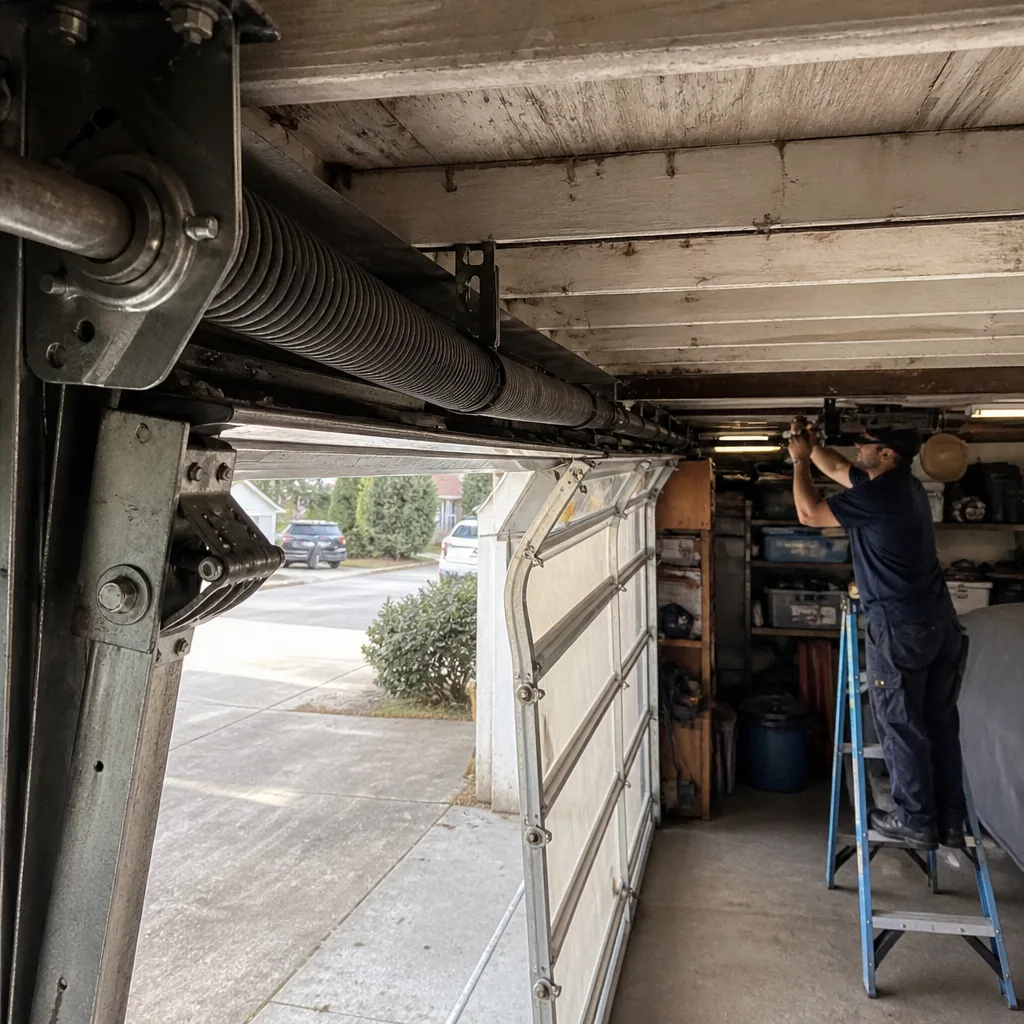 Before
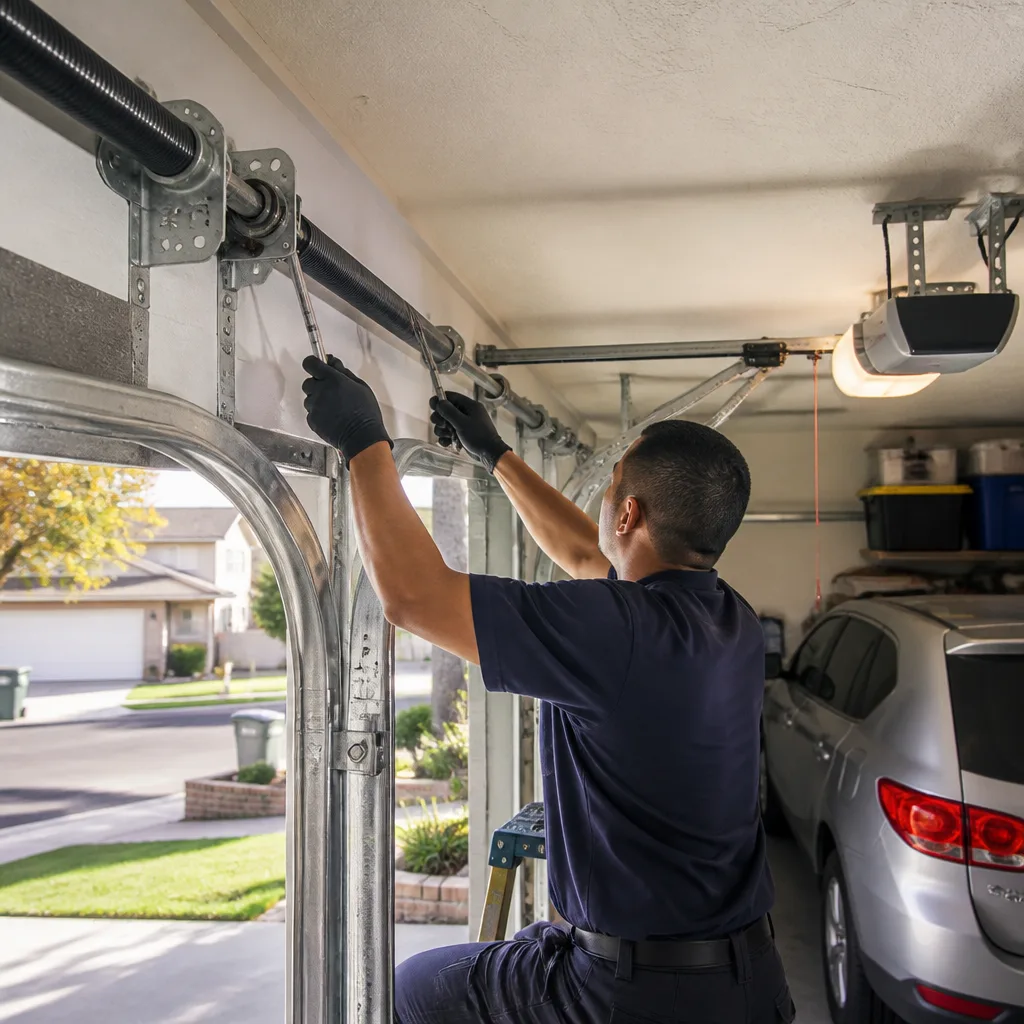 After
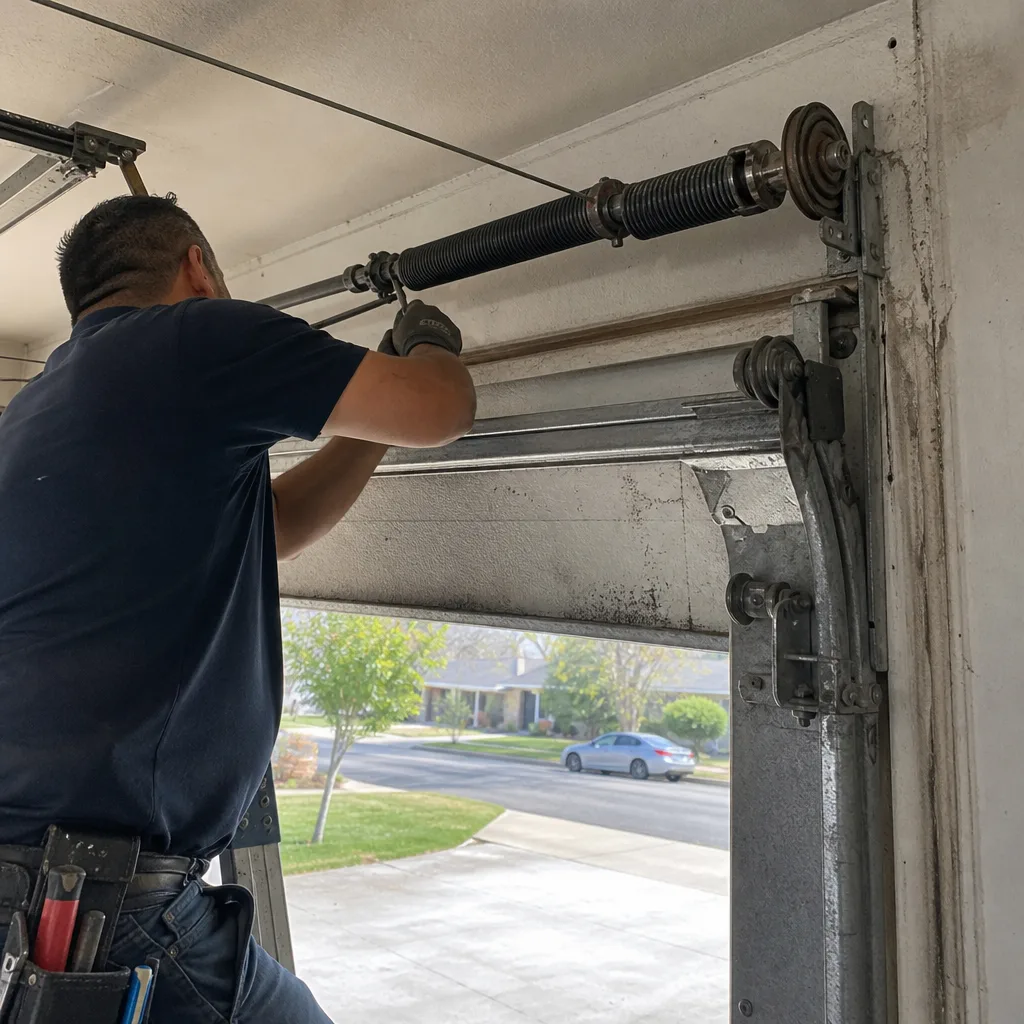 Before
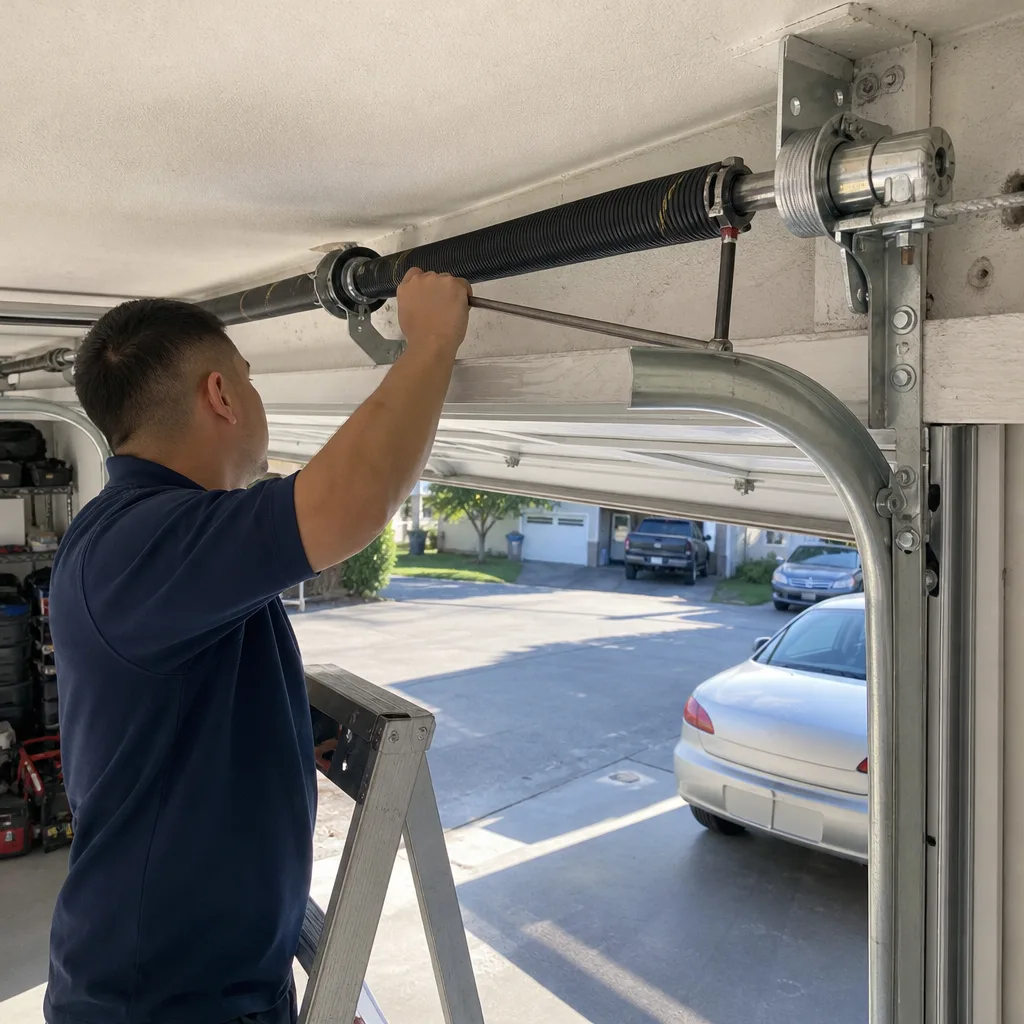 After
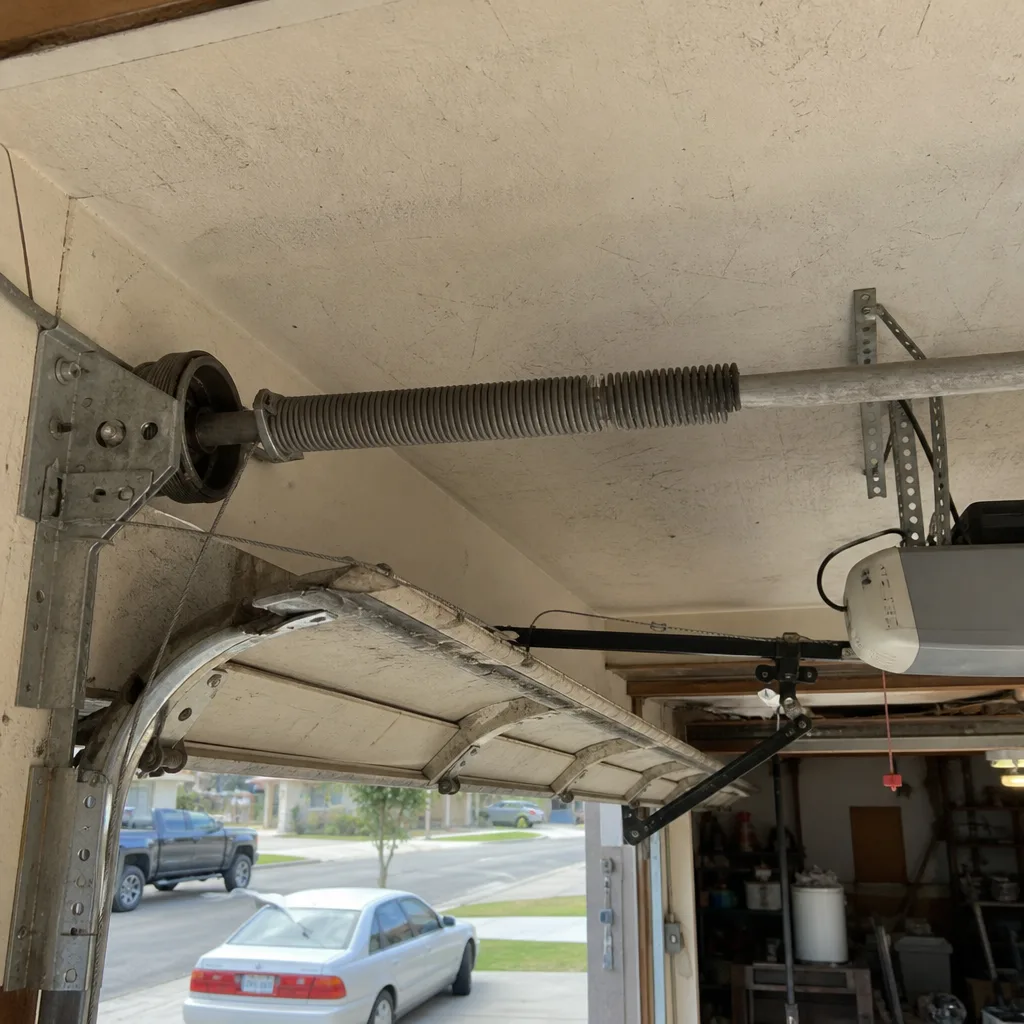 Before
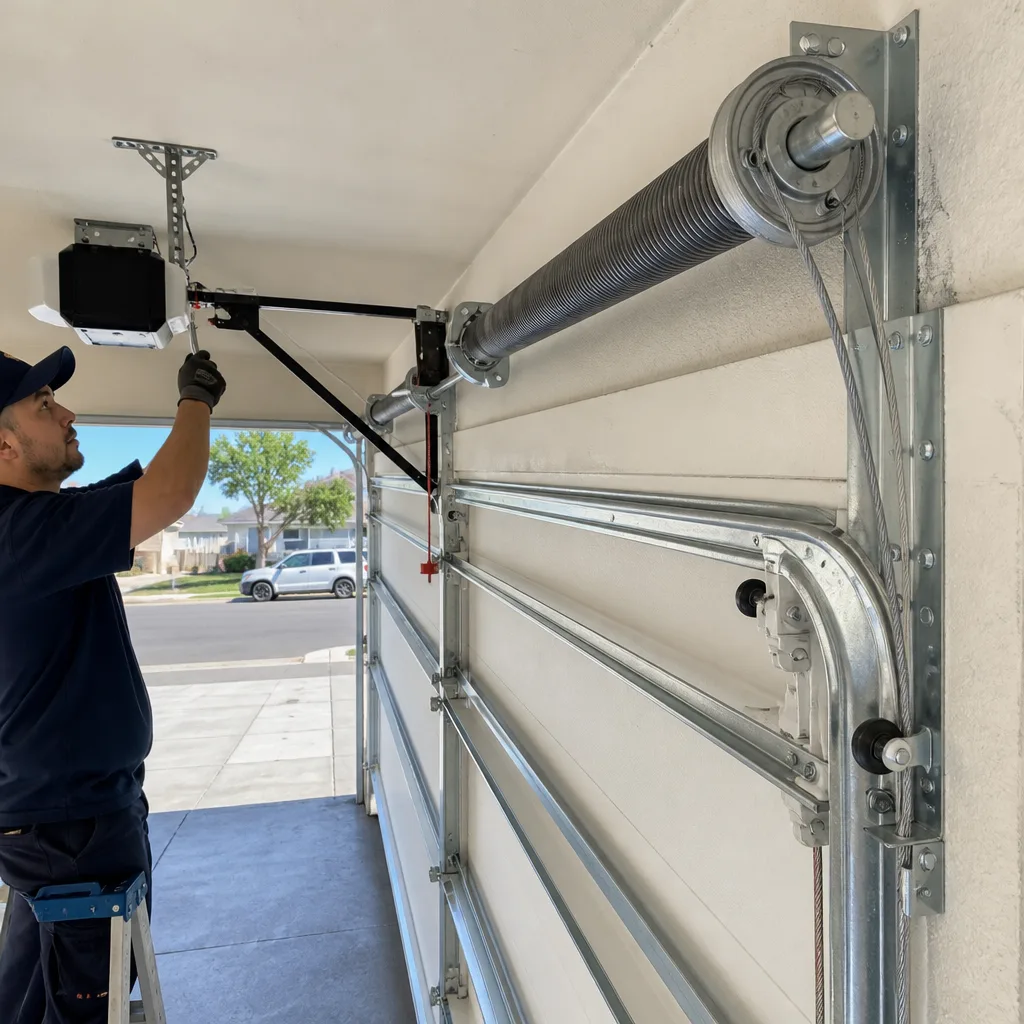 After