
Last updated November 3, 2026
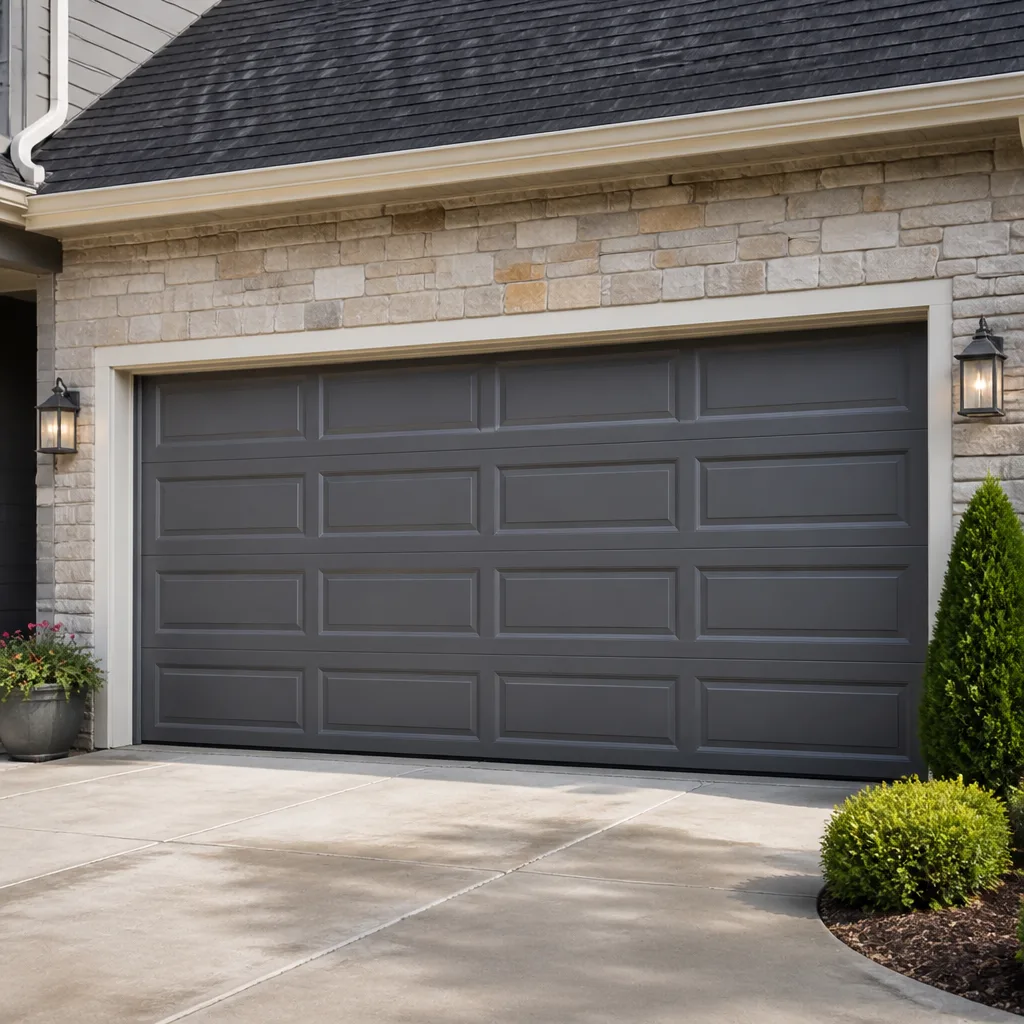 Raised-panel steel
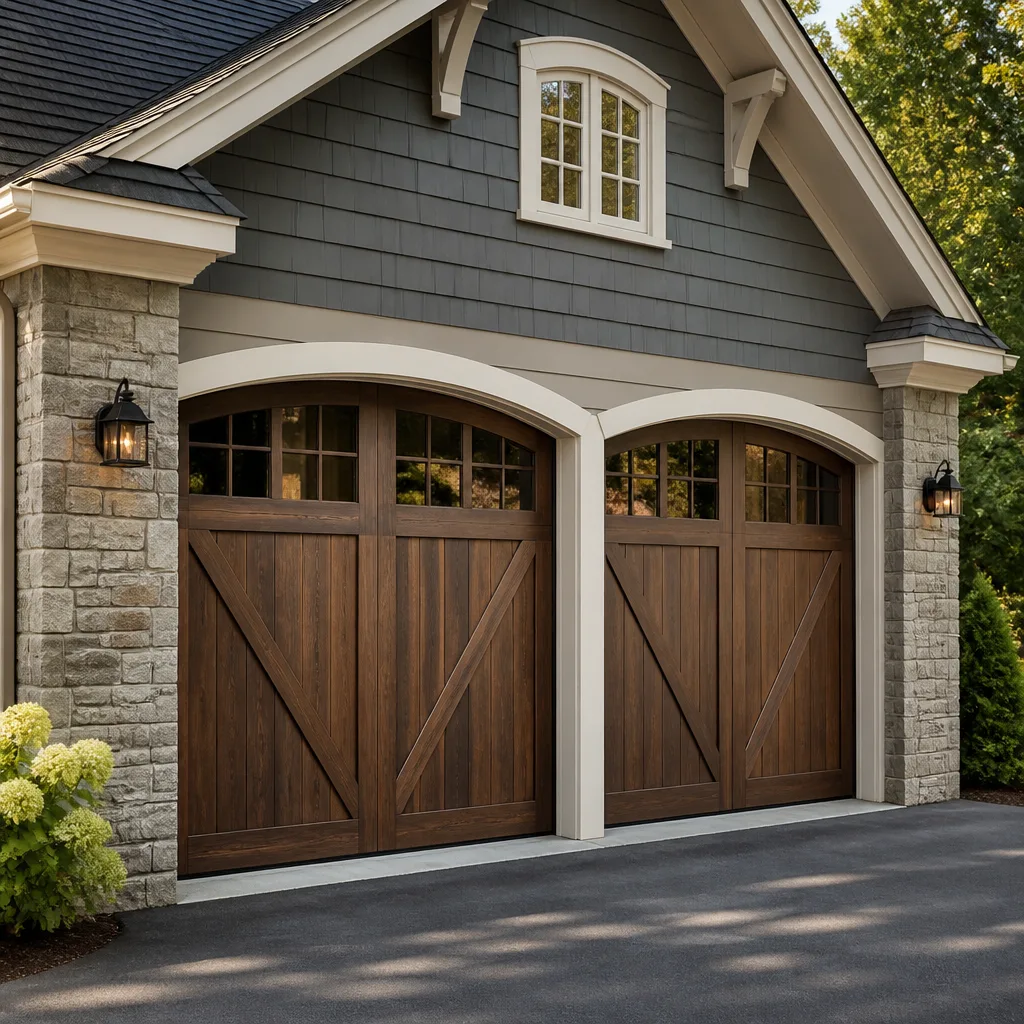 Carriage house
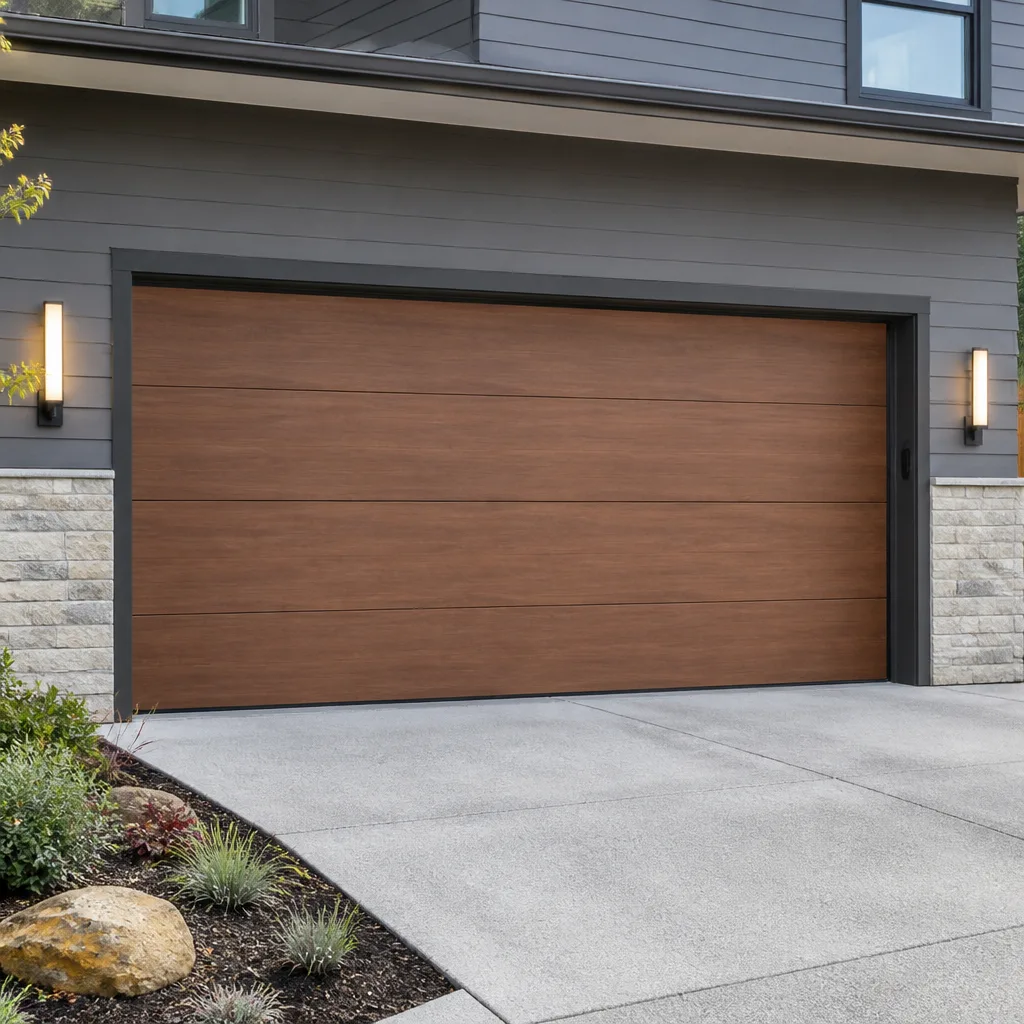 Modern flush
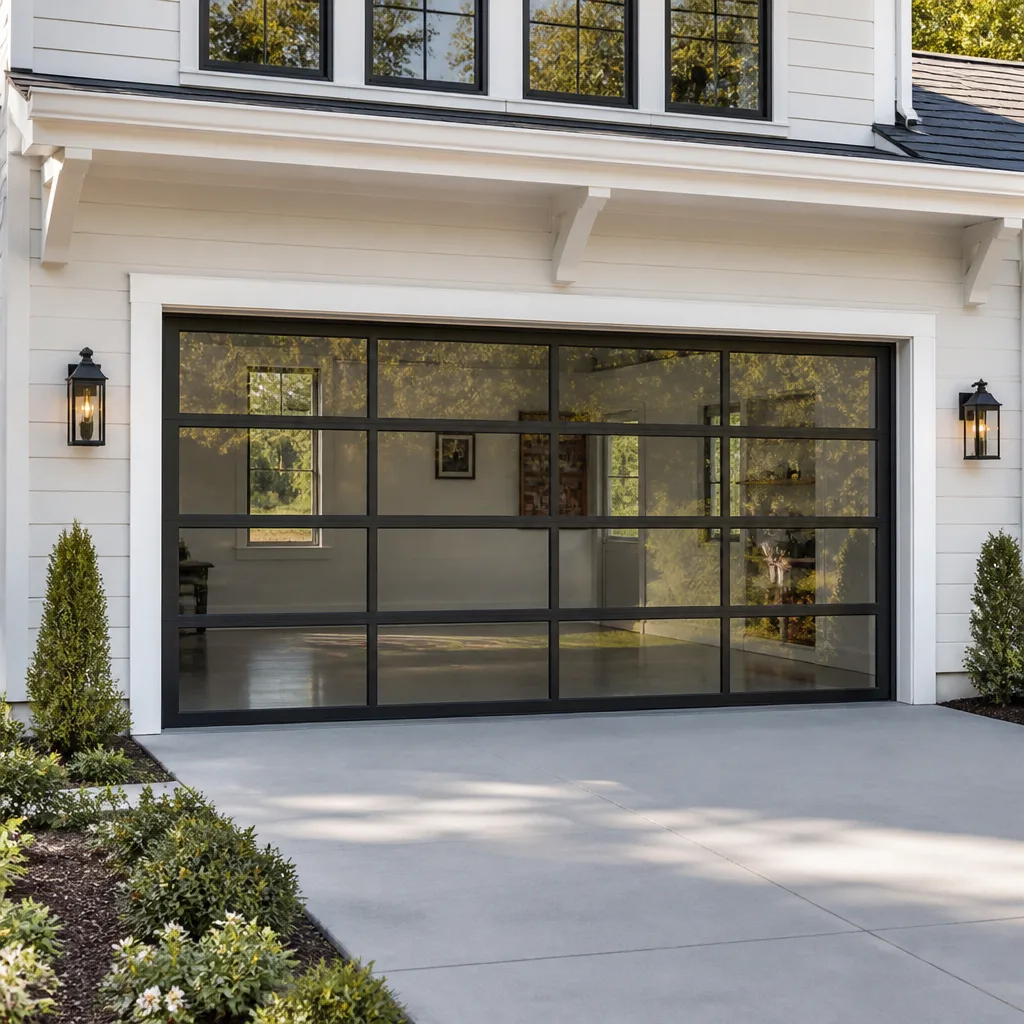 Full-view glass
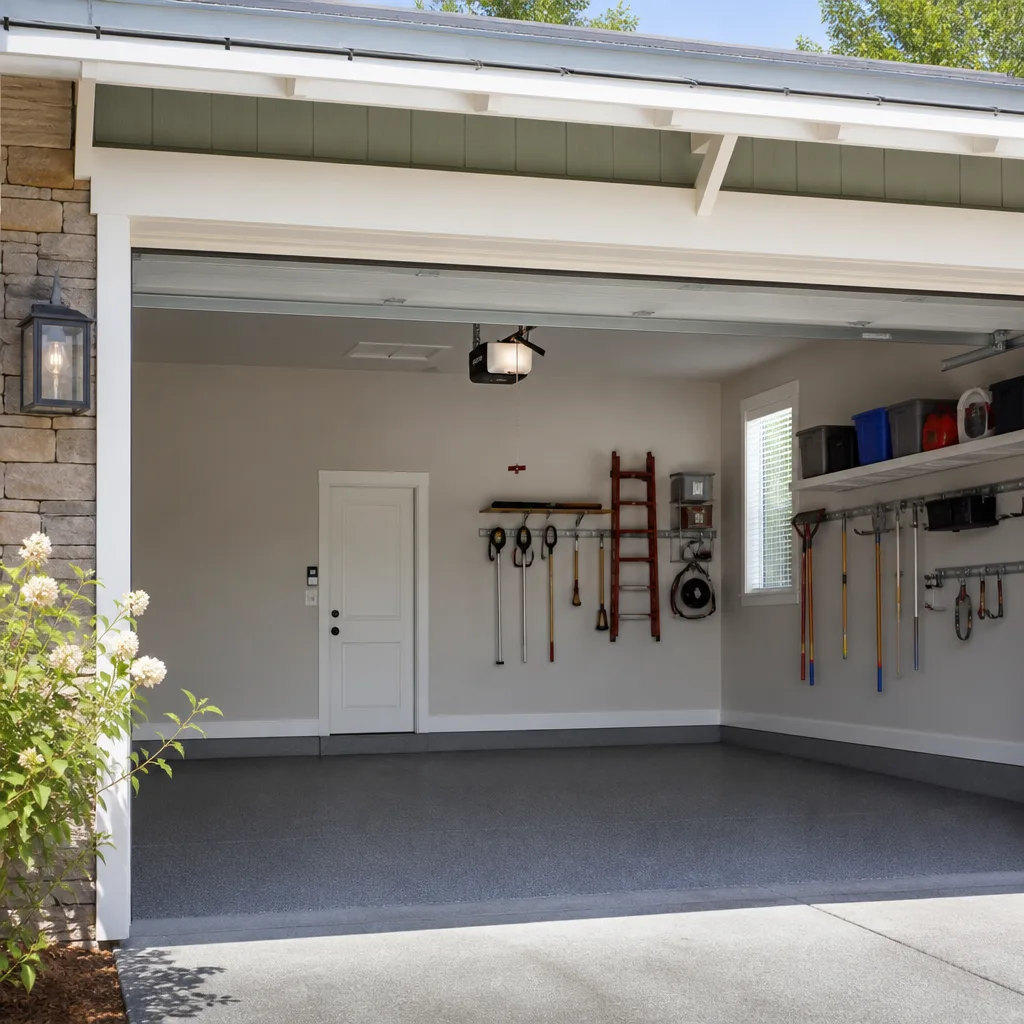 LiftMaster openers
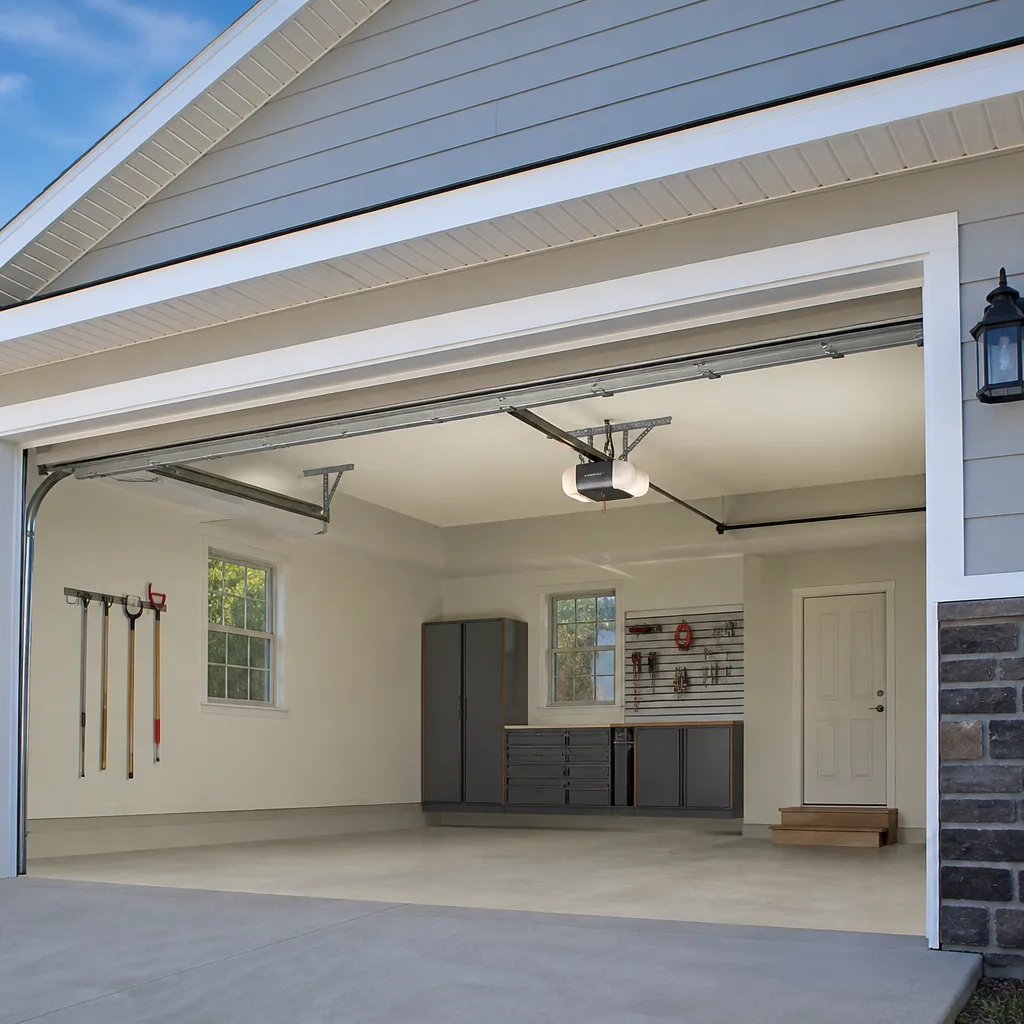 Chamberlain openers
Full 25-point door and opener safety check with every visit - springs, cables, rollers, tracks, and your LiftMaster or Chamberlain opener included
You get a price before we start. It does not change when the truck arrives.
Get your free estimateSeasonal Garage Door Care for Placentia: Year-Round Homeowner’s Guide
Placentia’s climate doesn’t give your garage door a quiet season. It just rotates which component is under the most stress every few months. Most homeowners service their door once a year, or not at all, and then wonder why a spring snaps in October or the opener strains in August. The truth is that Southern California’s mild weather hides a pattern of four distinct stress windows: heat expansion in summer, Santa Ana debris in fall, rapid rust during winter rain events, and a dust-and-UV cycle in spring. Understanding these windows costs nothing, and it’s the difference between a door that lasts fifteen years and one that fails at seven. This guide maps every seasonal stress point for Placentia homes, gives you a month-by-month task list, and tells you exactly which problems you can handle yourself and which need a trained eye. For a deeper dive into professional repairs, see The Complete Garage Door Repair Guide for Placentia Homeowners.
Quick Answer
Seasonal garage door care in Placentia means checking different components at different times of year: track alignment and lubricant before summer heat arrives, bottom seals and hardware tightness during Santa Ana wind season, rust prevention before winter rains, and opener sensitivity plus seal condition after spring winds subside. A homeowner can handle lubrication, visual inspection, and cleaning in about 20 minutes per quarter. High-tension components like springs and cables should always be left to a professional, no matter the season.
Styles & brands we work with
- Raised-panel steel
- Carriage house
- Modern flush
- Full-view glass
- LiftMaster openers
- Chamberlain openers
Table of Contents
- Summer (June – September): Heat, Tracks, and Opener Strain
- Fall Santa Ana Season (October – November): The Highest-Risk Period for Track Damage
- Winter (December – February): Rain, Rust, and What to Apply Before the Wet Season
- Spring (March – May): Post-Wind Inspection and Opener Recalibration
- Your Year-Round Seasonal Task Calendar
- Common Mistakes to Avoid
- When to Call a Professional
- Frequently Asked Questions
Summer (June – September): Heat, Tracks, and Opener Strain
Placentia summers routinely push garage interiors past 110 degrees, especially in attached garages with east or west-facing doors. Steel expands when it heats. That expansion is uneven along a 16-foot track, and it’s enough to alter clearances by a few thousandths of an inch. A door that glides smoothly in March can bind subtly in August. We see this pattern every year in neighborhoods from the Alta Vista area down toward Yorba Linda Boulevard, and it’s rarely the door itself. It’s the track.
The second summer problem is lubrication loss. Grease and spray lubricants thin out in sustained heat, and whatever’s left attracts dust. By September, many Placentia door rollers are running on metal-to-metal contact. The opener motor then works harder to move the same door, and that’s when a LiftMaster or Genie unit that’s run quietly for years starts to sound labored.
Your summer checklist, in order:
- Inspect both vertical tracks for visible gaps between the track and the wall brackets. Heat expansion can shift brackets that were installed tight.
- Run the door manually (pull the red release cord) and feel for resistance. If it doesn’t move smoothly by hand, the opener is masking a mechanical problem.
- Apply a silicone-based garage door lubricant to the rollers, hinges, and bearing plates. Avoid WD-40. It cleans but doesn’t lubricate, and it strips existing grease.
- Wipe down the track faces where the rollers ride. Clean tracks reduce friction and opener amp draw by more than almost anything else.
- Listen to the opener during a full cycle. A Chamberlain or LiftMaster unit that hesitates on startup may be telling you the motor is compensating for a tight section of track.
One thing homeowners often miss in summer: opener motor temperature. Chain-drive openers mounted in an uninsulated Placentia garage operate near their thermal limit on 100-degree days. If your opener occasionally stops mid-cycle and refuses to respond for twenty minutes, that’s a thermal overload protection trip, not a broken unit. It’s a warning sign that the mechanical load needs attention or the opener is nearing the end of its design life.
Fall Santa Ana Season (October – November): The Highest-Risk Period for Track Damage
Ask any garage door technician in Placentia which season generates the most repair calls, and the answer is almost always October. Not because of temperature. Because of wind. Santa Ana events drive leaves, palm fronds, and fine grit into every opening on a home, and the garage door is the largest unwalled face of the house.
Debris doesn’t usually break a door on its own. What it does is get between the sections, press against the bottom seal, and build up in the track channels. Then the door cycles, the debris jams into a roller or wedges a panel edge, and suddenly a door that’s off-balance on one side starts pulling cables unevenly. We’ve seen relatively new Clopay and Amarr doors in Placentia with cable damage that started from a palm frond wedged in the bottom track corner.
Complete this sequence before the first strong wind event, then recheck after:
- Clean the full track length on both sides with a dry rag. Don’t grease the tracks themselves. Grease in tracks captures grit and turns it into grinding paste.
- Inspect the rubber bottom seal for tears or flattening. A flattened seal lets wind-driven dust and leaves push under the door continuously, and in Placentia’s dry fall conditions that grit works its way into every hinge pin.
- Tighten every visible bolt on the track brackets, hinges, and opener rail. Santa Ana gusts shake the door in its frame, and loose hardware accelerates everything.
- Walk outside and look at the door from 20 feet away while it’s closed. The top panel should sit flush against the header. A visible tilt means the door isn’t balanced, and that imbalance gets worse under wind load.
- Check the weatherstripping on the sides and top. Side seals matter just as much as bottom seals during wind season, and Placentia homes with west-facing garage doors take the brunt of it.
The reason fall is the highest-risk period isn’t the wind itself. It’s that small problems from summer, like a slightly worn roller or a stiff hinge, become critical failures when the door faces repeated lateral pressure from gusts. A door that’s perfectly balanced handles wind fine. A door that’s been fighting itself all summer doesn’t.
Winter (December – February): Rain, Rust, and What to Apply Before the Wet Season
Placentia doesn’t get volume rain, but it gets concentrated rain events that catch hardware unprepared. When the first atmospheric river hits in December, bare steel on hinges, brackets, and spring coils starts oxidizing within days. The salt air influence from the coast is minimal this far inland, but the cycle of wet-dry-wet-dry through January is enough to seize a stationary hinge or weaken a cable end.
The rust problem isn’t aesthetic. It’s mechanical. A seized roller stops rolling and starts sliding, which scores the track and adds friction load to the opener. A corroded cable end with frayed strands is a snapped cable waiting to happen, usually when the door is half open and under full spring tension.
What to apply before the wet season, and where:
- White lithium grease on hinge pins and pivot points, applied lightly. Too much collects rainwater and dirt.
- Silicone spray on the weatherstripping and rubber seals to keep them flexible through temperature swings.
- Penetrating oil on any bolt that already shows surface rust, worked in with a wire brush first.
- Nothing on torsion springs. The coating on them is a rust inhibitor applied at the factory. They need replacement when they break or lose tension, not spray cans.
One Placentia-specific winter detail: drainage. Homes on the northern edge of the city near the hills see more runoff than flat areas, and if your garage floor slopes toward the door, standing water can sit against the bottom seal after a storm. Check after every significant rain that water isn’t pooling where the seal meets the concrete. A saturated seal wicks water upward into the bottom panel, and in steel doors that’s where rust begins.
Spring (March – May): Post-Wind Inspection and Opener Recalibration
By March, the Santa Ana cycle has faded and the first warm weeks arrive. Spring in Placentia is the season for post-storm inspection, because whatever the wind loosened in October and November has had three months to get worse. This is also the time to check UV damage on seals, because March through May delivers intense sun before summer haze sets in.
The spring protocol covers three things most homeowners never think about until a problem appears: structural settling, opener force settings, and UV degradation of rubber components. On the structural side, winter rains shift soil in Placentia’s clay-heavy ground, and a garage slab that moves even a fraction of an inch changes how the door sits on the floor. A gap on one side of the closed door in March that didn’t exist in November is usually slab movement, not a door problem, but it requires adjusting the bottom seal or the track.
Spring checklist, step by step:
- Disconnect the opener and run the door by hand through its full travel. Feel for resistance changes in the last foot of closing, where a shifted slab shows up first.
- Look at the bottom seal under daylight from inside the garage. Visible light under the seal means heat and pests are getting in, and it’s time for replacement.
- Check both safety sensors at the door base for alignment. Winter vibration knocks them slightly off, and a misaligned sensor causes the door to reverse when nothing’s in the way.
- Recalibrate opener up and down force settings on your Chamberlain or Genie unit. Every opener has a force dial or digital setting. After a season of wind load, the correct setting is the minimum force that reliably closes the door, nothing more.
- Inspect the spring assembly visually from the ground. Look for a visible gap in a torsion spring coil, which indicates a break, or rust that’s more than surface deep.
Spring is also the right time to assess whether your door’s insulation matters to you. Placentia’s summer heat makes an insulated door a meaningful improvement for homes with attached garages, and the mild spring weather is the ideal install window. For homeowners considering a garage door installation project, spring provides comfortable conditions and time to complete the job before peak summer temperatures arrive.
Your Year-Round Seasonal Task Calendar
For The Complete Garage Door Repair Guide for Placentia Homeowners, print this section and tape it to the inside of your garage. It’s the entire seasonal rotation for a Placentia garage door on one sheet.
Monthly (5 minutes)
- Run the door through one full open-close cycle and listen for changes in sound.
- Check that both safety sensors are firmly attached and free of cobwebs.
- Look for loose hardware around the track and hinges.
Quarterly (20 minutes)
- Lubricate rollers, hinges, and bearing plates with silicone-based garage door lubricant.
- Wipe down track faces with a dry cloth.
- Inspect the bottom seal for tears, gaps, or flattening.
- Test the auto-reverse feature by placing a 2×4 flat under the door and closing it.
Summer (June – September)
- Check track bracket tightness after heat waves.
- Monitor opener for thermal overload shutdowns on hot afternoons.
- Run the door manually to catch binding the opener might be masking.
Fall Santa Ana Season (October – November)
- Clean full track lengths after wind events.
- Tighten every visible bolt and screw.
- Check door balance by disconnecting the opener and lifting the door halfway.
Winter (December – February)
- Apply white lithium grease to hinge pins before the first wet weather.
- Check for water pooling at the bottom seal after storms.
- Inspect cables and springs from the ground for visible rust.
Spring (March – May)
- Run a full manual open-close test watching for slab shifting effects.
- Check bottom seal under daylight for light gaps.
- Recalibrate opener force settings to minimum reliable.
Common Mistakes to Avoid
- Lubricating the track itself. Grease in the track channel collects dust and grit, turning the track into sandpaper. Lubricate the rollers and hinges. Wipe the track clean. That’s the whole system.
- Treating all four seasons the same. A summer checklist and a winter checklist are different lists in Placentia. The door faces heat expansion in July and wind load in October. If you only service once a year, you’re always three months late for something.
- Ignoring a door that “works fine” in manual mode. If the door moves smoothly by hand but the opener struggles, that’s an opener problem, not a door problem. Homeowners who chase the door when the opener’s the issue end up paying for work that doesn’t solve anything.
- Replacing the bottom seal with a generic length. Placentia’s fine wind-blown dust exploits even a one-inch gap. A seal that’s the wrong thickness or profile for your door model will look fine and fail functionally.
- Touching the torsion spring. The torsion assembly stores enough energy to cause serious injury or death if released improperly. No seasonal task list should ever include adjusting or removing a spring. This is a hard line between homeowner maintenance and professional repair.
- Waiting for visible damage before inspecting. By the time you can see a bent track or a fraying cable, the system has been degrading for months. The point of seasonal care is catching the precursor: the stiff hinge, the warm opener motor, the seal that’s 80% flat but 20% still working.
- Skipping the auto-reverse test. Since the early 1990s, federal law has required garage door openers to reverse on contact. It’s a five-second test with a 2×4, and it catches a real safety failure before a child or pet becomes the test object.
When to Call a Professional
Seasonal care handles the mechanical equivalent of oil changes and tire pressure checks. But some garage door failures are beyond homeowner scope, and knowing the line saves money in the long run. Any crack, snap, or visible gap in a torsion spring is a professional job, period. Same for cable work: if you can see fraying or unwinding strands, the cable is under load and needs replacement by someone who knows the torque specs for your door weight. Track realignment after impact damage, opener circuit board diagnosis, and any issue where the door binds unpredictably all fall into the same category. As a specialized garage door repair company with experience across Placentia’s housing stock, we’ve seen too many injuries from DIY spring and cable work to suggest otherwise. Rosewood Garage Door Repair offers free estimates in Placentia. Call (855) 382-4857 to schedule an inspection.
Frequently Asked Questions
Quarterly, for about 20 minutes at a time. Placentia’s climate rotates stress points rather than pausing them, so a single annual service always misses something. Four short seasonal checks catch problems in the window when they’re still cheap to address.
A silicone-based garage door lubricant works best for Placentia’s dry heat and occasional rain. It resists evaporation through summer and doesn’t get sticky or gummy in cold winter mornings. Apply it quarterly to the rollers, hinges, and bearing plates found on doors from brands like Clopay, Amarr, and Wayne Dalton.
Indirectly, yes, and it’s the most common fall repair trigger in Placentia. Wind itself rarely bends a track. The debris it drives into the track channels and against the bottom seal causes jamming, cable stress, and panel damage when the door cycles through the obstruction.
No. Torsion springs hold several hundred pounds of stored tension, and an uncontrolled release can cause catastrophic injury. This is the one task where even experienced general contractors call a specialist. In Placentia, every reputable spring replacement is done by a technician with the right winding bars and torque tables for your specific door weight.
That’s typically a thermal overload protection trip on the motor. When the garage interior exceeds about 110 degrees and the opener is working against a door that needs lubrication or has tight track sections, the motor’s thermal sensor shuts the unit down to prevent permanent damage. It usually resets after cooling. If it happens repeatedly, the mechanical load needs attention, or the opener motor may be near the end of its life.
Disconnect the opener with the red release cord and lift the door manually to about halfway. A balanced door stays in place. If it drifts down or shoots up, the spring tension is off. In Placentia, seasonal temperature changes and settling after winter rains can shift balance slightly, which is why spring and fall are the right times to check.
The Bottom Line
Seasonal garage door care in Placentia isn’t about following a generic maintenance schedule someone in Ohio wrote. It’s about matching your attention to the stress cycle this specific climate creates: summer heat on tracks and opener motors, fall wind on seals and hardware, winter rain on bare steel, and spring settling on balance and sensors. Twenty minutes per quarter, plus a professional inspection when something feels off, is the whole system. The homeowners who follow it get fifteen-plus years from their doors. The ones who don’t are the reason Placentia sees a repair spike every October. For everything from seasonal tune-ups to garage door opener repair and full replacements, our team handles the mechanical and electronic systems together, so one call covers whatever your garage needs. Call (855) 382-4857 for a free estimate, or visit our Rosewood Garage Door Repair home page to learn more.
Written by the team at Rosewood Garage Door Repair, serving Placentia since 2018. Browse more guides & resources.
See the difference
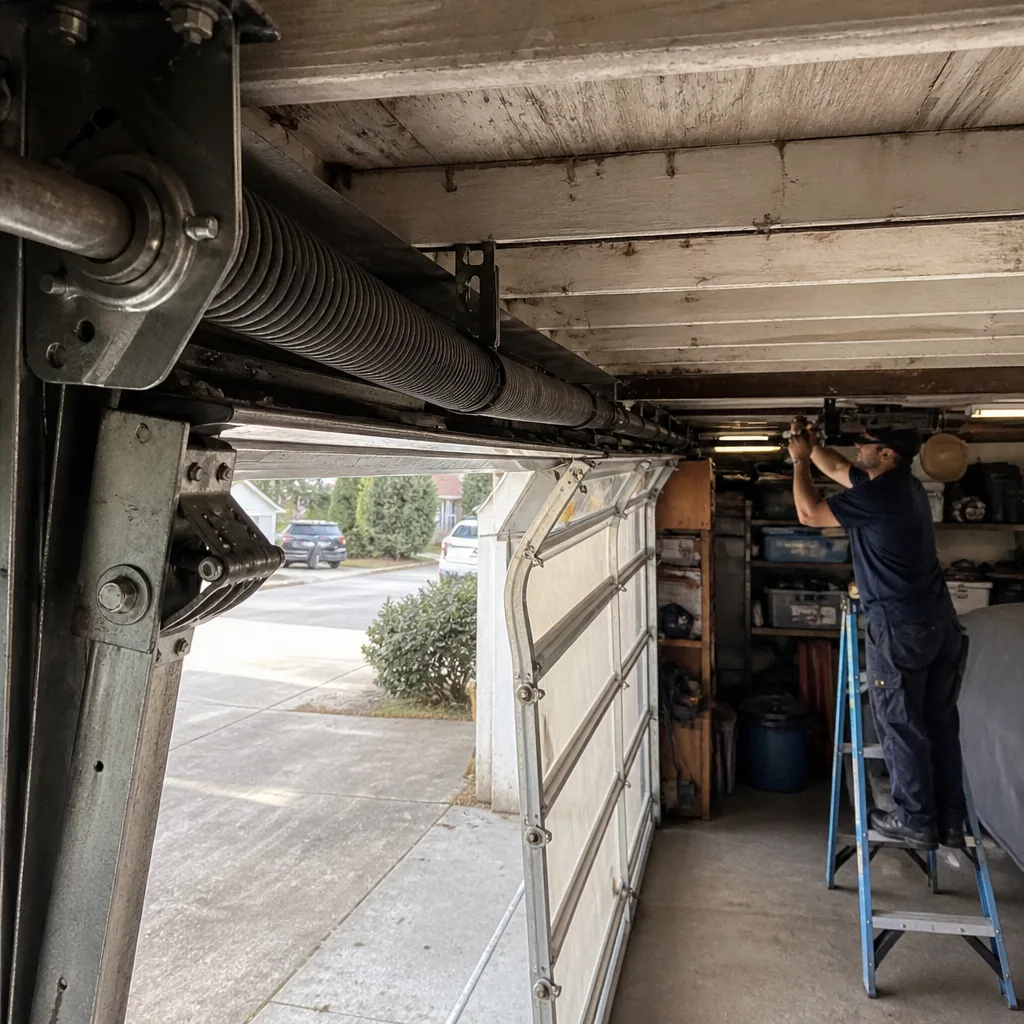 Before
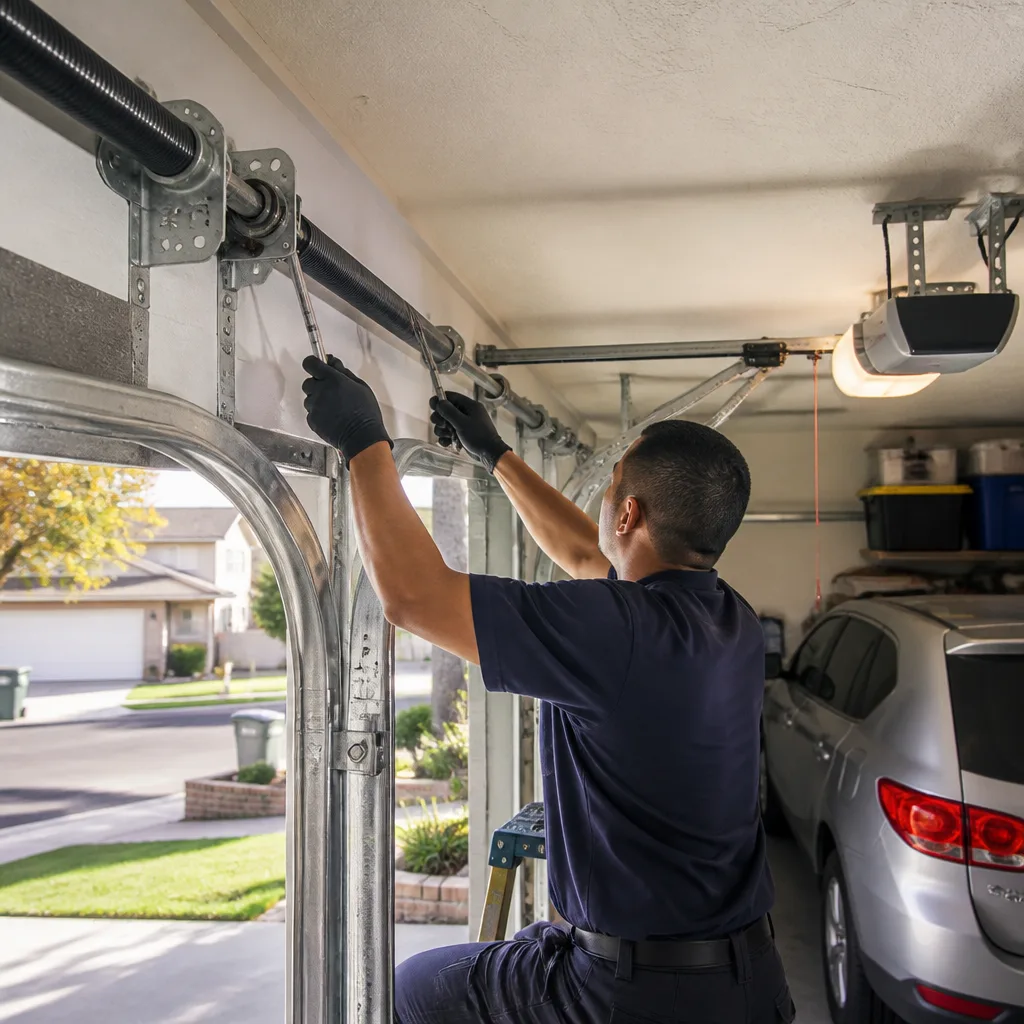 After
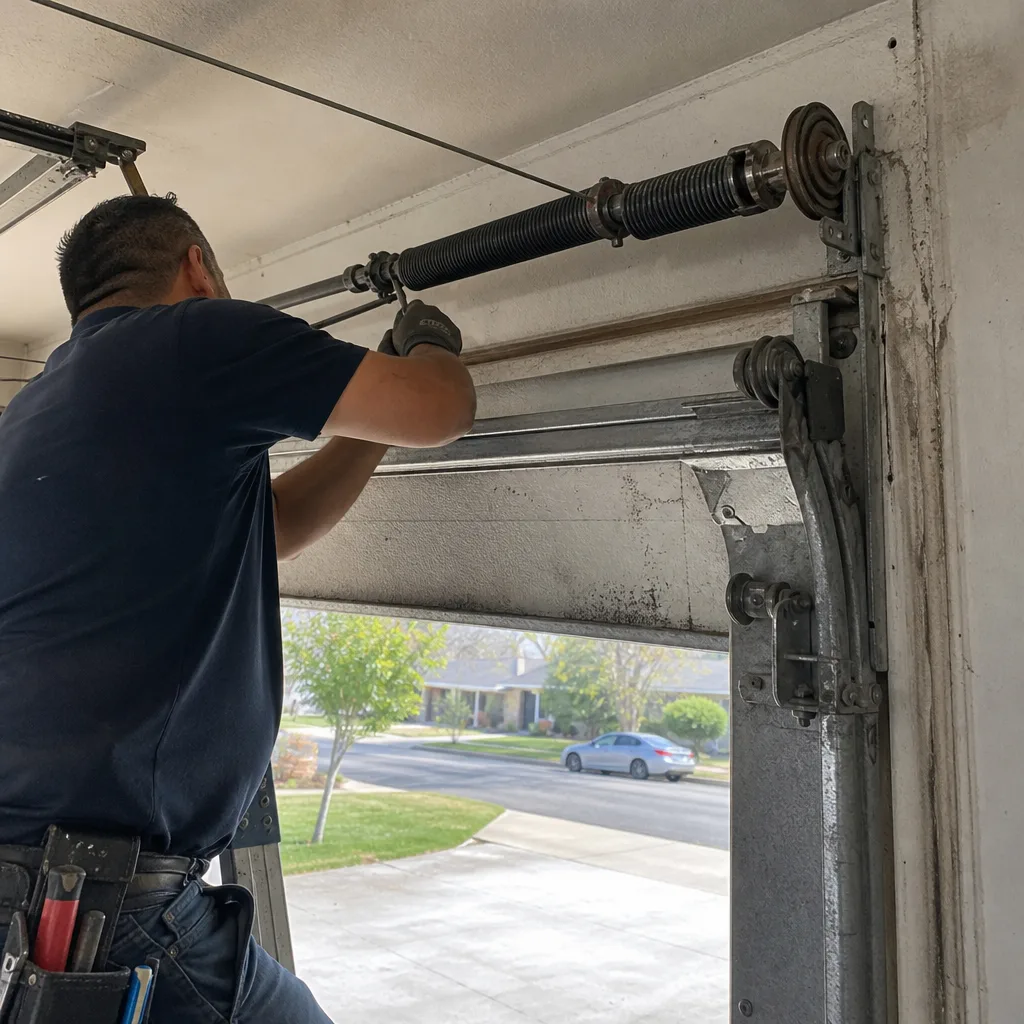 Before
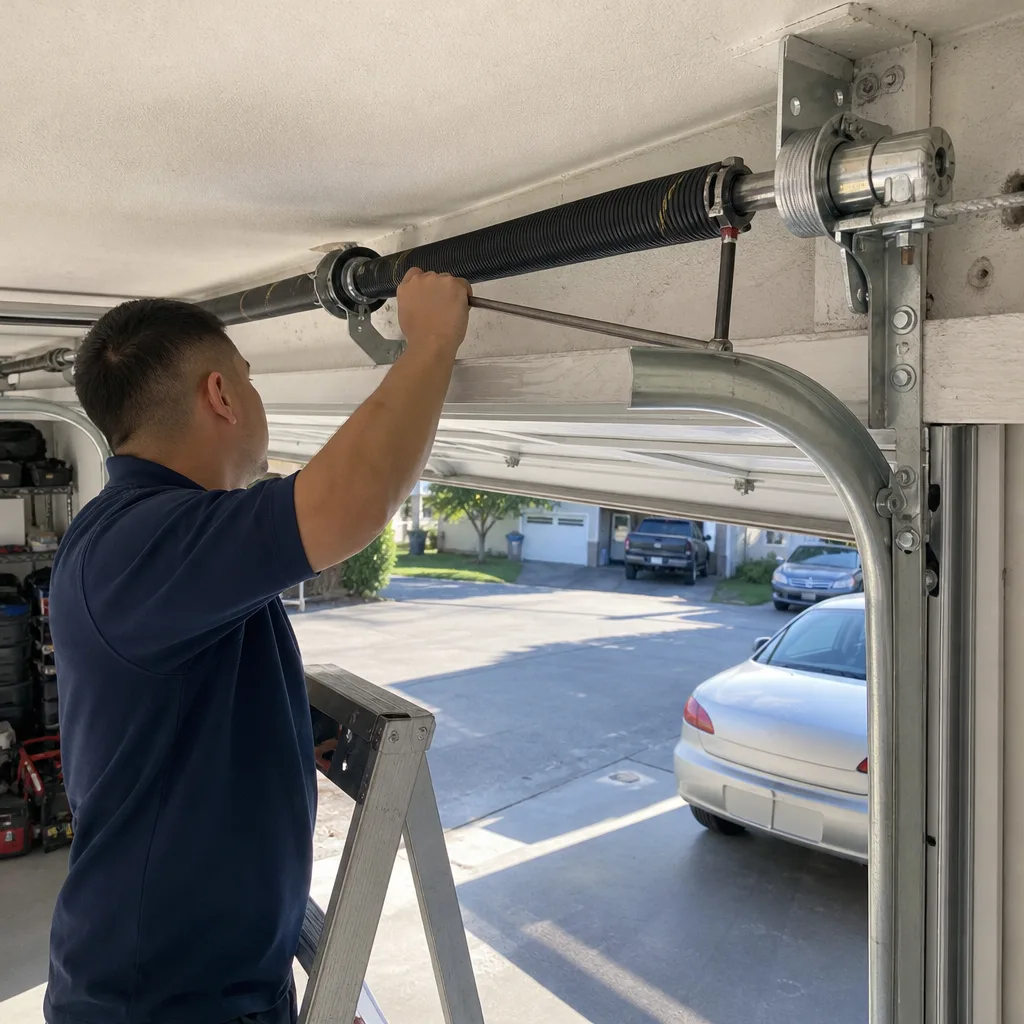 After
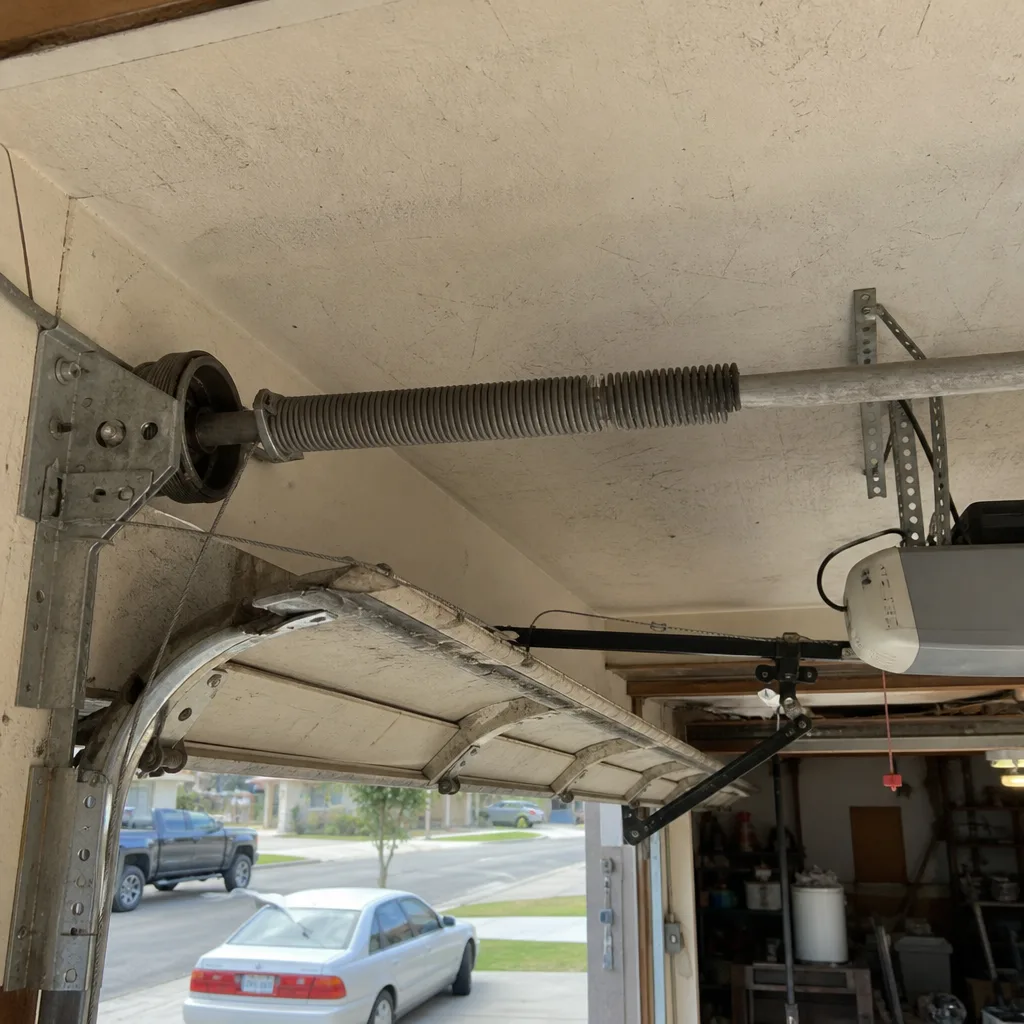 Before
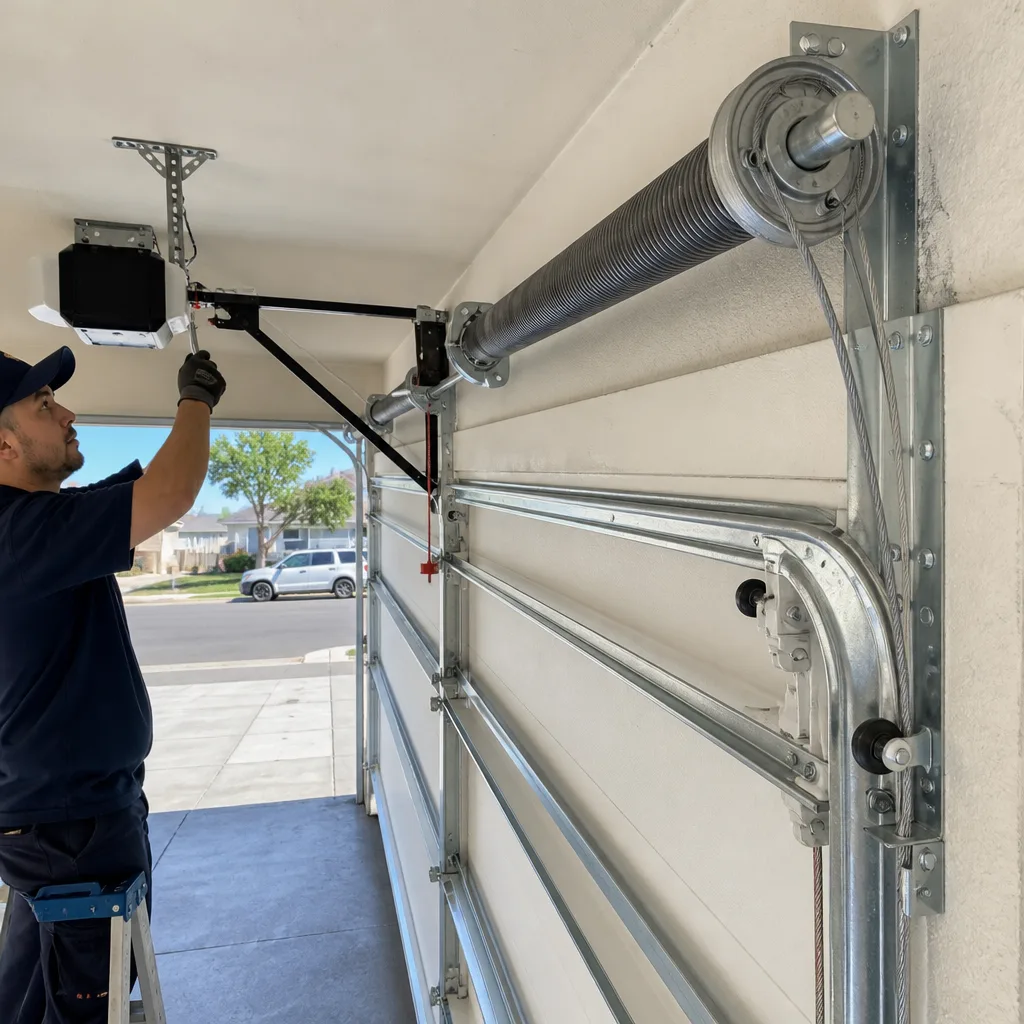 After