
Last updated November 2, 2026
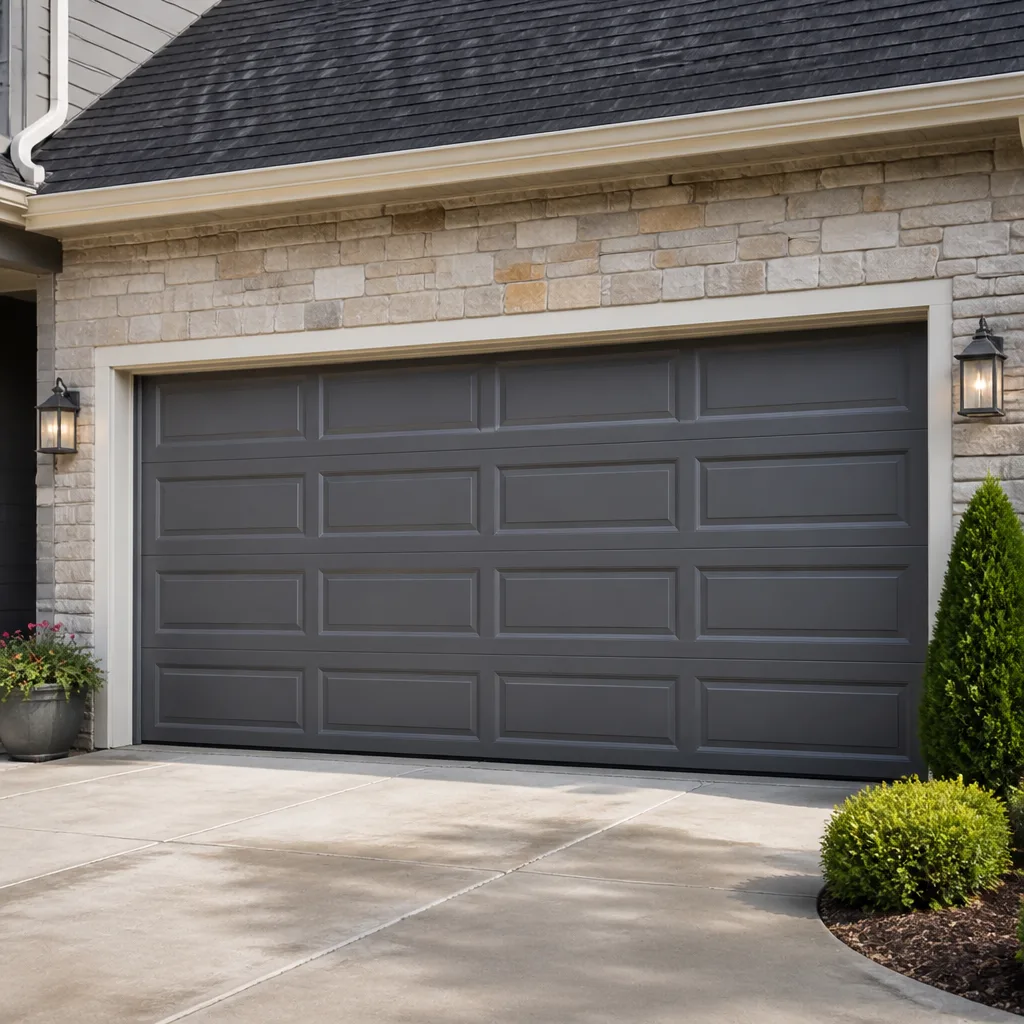 Raised-panel steel
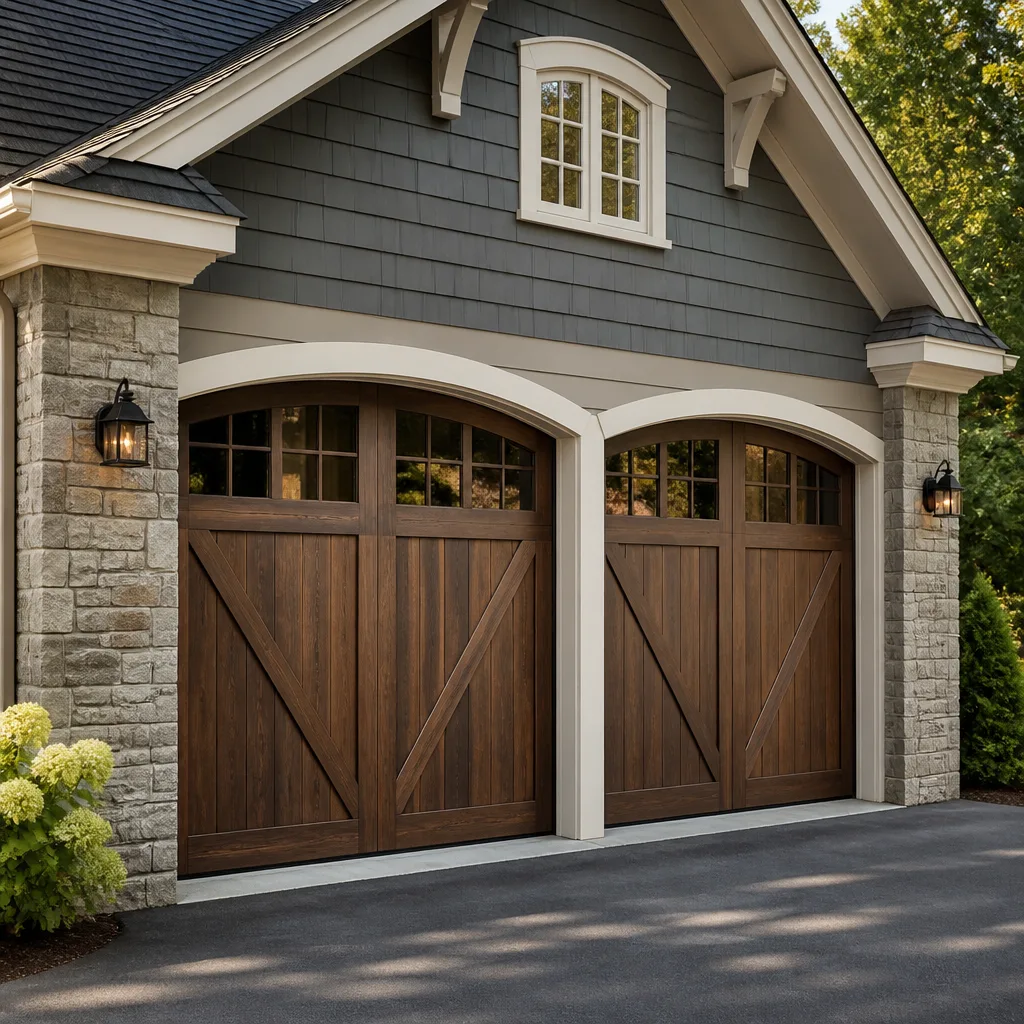 Carriage house
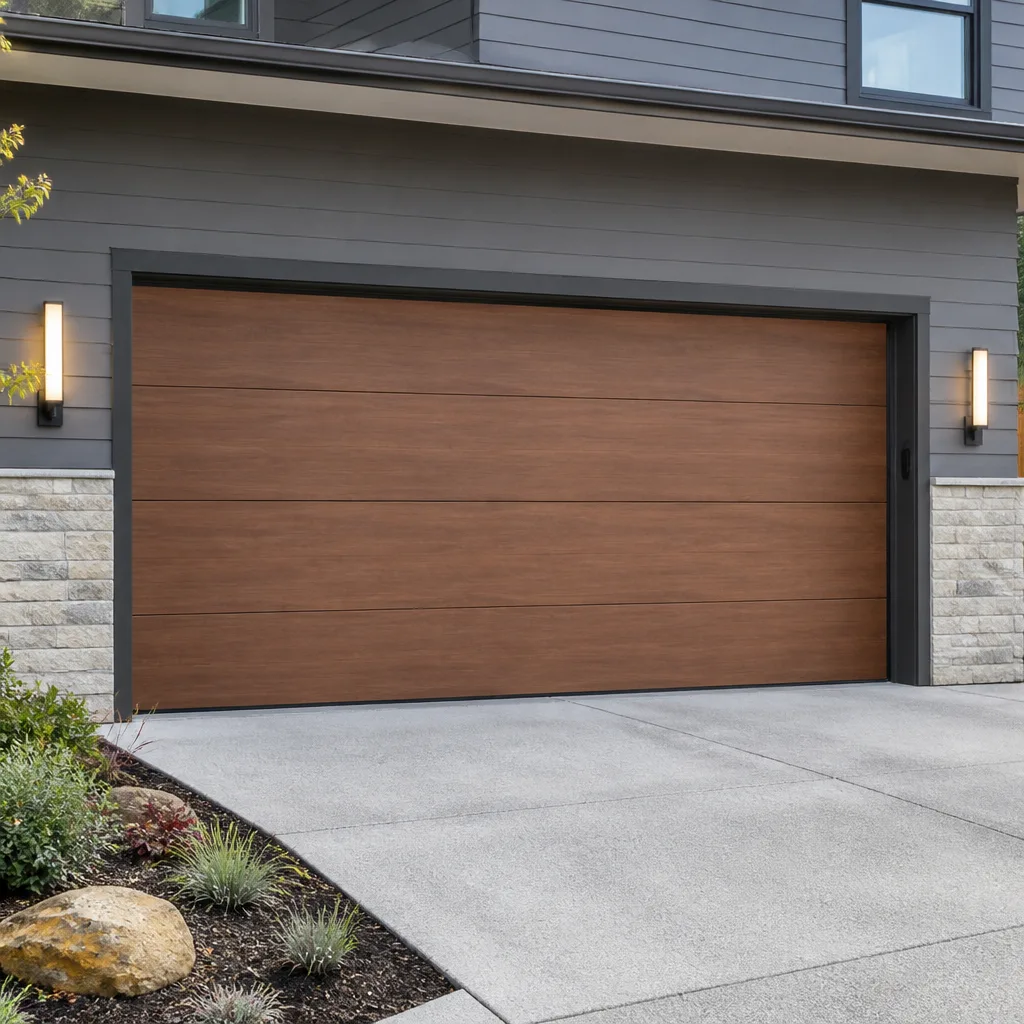 Modern flush
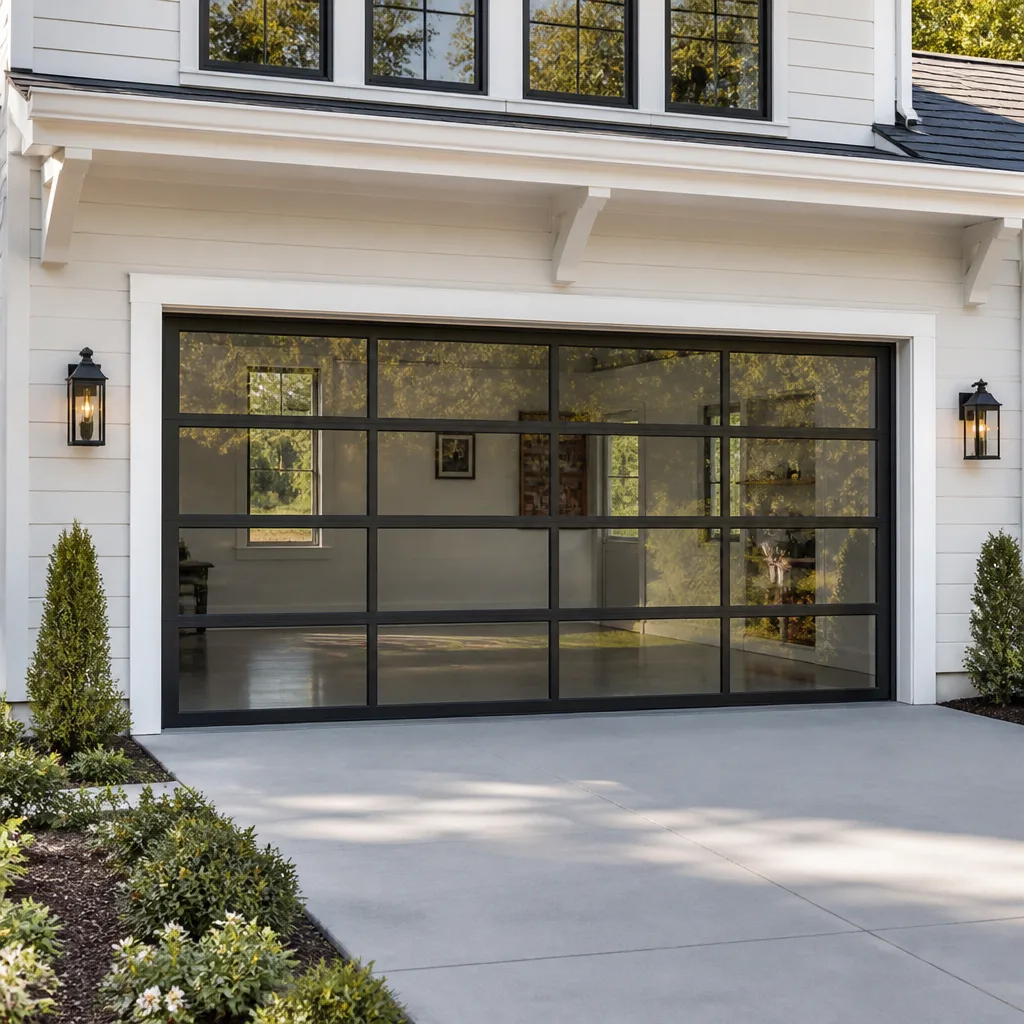 Full-view glass
 LiftMaster openers
 Chamberlain openers
Full 25-point door and opener safety check with every visit - springs, cables, rollers, tracks, and your LiftMaster or Chamberlain opener included
You get a price before we start. It does not change when the truck arrives.
Get your free estimateGarage Door Permits, Codes & Inspections in CA: What You Need to Know
Most California homeowners assume a garage door is a garage door: pull the old one down, bolt a new one up, done. That assumption is expensive. In Placentia and across Orange County, building departments treat a garage door replacement as a structural modification, not a cosmetic swap. What that means in practice: thousands of homeowners discover at resale that their beautiful new door was never permitted, the title company flags it, the buyer requests a credit, and the seller eats the cost. This guide explains exactly when permits are required, what the inspectors check, how Title 24 energy rules change your door specs, and what to do if you’re holding a house with an unpermitted door right now.
Quick Answer
In California, a full garage door replacement requires a building permit in nearly every city and county, including Placentia. Adding or replacing a garage door opener also requires a permit in most jurisdictions because it involves both electrical and structural connections. Basic repairs like spring replacement, panel realignment, cable replacement, and sensor adjustment do not require permits because they restore the existing door to its original condition rather than alter it; for a full list of what to check, see our Garage Door Repair Maintenance Checklist for Placentia Homeowners. If you’re planning a replacement, expect to file with your local building department, pay a permit fee between $90 and $250 depending on the door’s value, and schedule one inspection after installation.
Styles & brands we work with
- Raised-panel steel
- Carriage house
- Modern flush
- Full-view glass
- LiftMaster openers
- Chamberlain openers
Table of Contents
- Which Garage Door Work Requires a Permit in California
- Title 24 Energy Compliance and Your Garage Door
- What a California Garage Door Inspection Actually Covers
- How to Pull a Garage Door Permit in Placentia: Step by Step
- Selling a Home with an Unpermitted Garage Door
- California Safety Codes: Springs, Sensors, and Opener Standards
- HOA Rules and Garage Doors in Orange County
- What Permits and Code Compliance Actually Cost
Which Garage Door Work Requires a Permit in California
Here’s the cleanest way to think about it: if the work changes what’s attached to your house, it needs a permit. If it restores what’s already there to working order, it doesn’t. The California Building Code (CBC), which Placentia adopts with local amendments, draws the line between “repair” and “alteration” this way: repairs that replace worn parts with equivalent parts are exempt. Alterations that change the door assembly, its structural attachment, or its operational system require a permit.
A full garage door replacement falls into the permit category for three reasons. First, the door is part of the building envelope, and swapping it changes how the structure performs under wind load. Second, the tracks, mounting brackets, and springs are anchored to framing that the building department wants to inspect. Third, newer doors often weigh more than the one they replace, and the city wants to confirm the supporting header can carry that weight.
Here’s the breakdown for Placentia and the surrounding Orange County cities:
- Requires a permit: Full door replacement (panels, tracks, springs, hardware), converting from manual to automatic operation, adding a garage door opener to a door that never had one, replacing structural framing around the opening, widening or narrowing the opening, installing a door where there wasn’t one.
- Does not require a permit: Spring replacement (torsion or extension), cable replacement, roller replacement, panel repair or dent removal on an existing door, sensor realignment, remote programming, weather seal replacement, track lubrication and tightening.
- Gray area, ask first: Replacing the opener only, without touching the door. Some cities classify the opener swap as an electrical alteration requiring a permit and inspection. Others treat it as plug-in appliance replacement and exempt it. In Placentia, a call to the building department costs nothing and settles it in five minutes.
What surprises most Placentia homeowners is the garage door opener rule. A Genie or Chamberlain opener that you buy at a big box store includes installation instructions that never mention permits. The city’s position is different. Because the opener mounts to the ceiling structure and connects to a dedicated circuit, most California jurisdictions want it permitted and inspected. Missing that step doesn’t cause problems today, but it will at resale when the buyer’s inspector asks for the file.
Our technicians at Rosewood Garage Door Repair home walk every replacement customer through this exact question before work starts. It’s easier to file the paperwork before the door goes up than to explain an unpermitted install to a title company later.
Title 24 Energy Compliance and Your Garage Door
California’s Title 24 Building Energy Efficiency Standards apply to garage doors in a way most homeowners never hear about until the permit counter stops them. If your new garage door is part of a conditioned space, meaning the garage shares a wall or ceiling with heated or cooled living area, the door must meet minimum insulation values. If the garage is fully detached or unconditioned, the requirement typically doesn’t apply. Attached garages in Placentia almost always qualify as conditioned-adjacent, so insulation matters.
What does that mean in practical terms? Modern insulated steel doors from Clopay, Amarr, and Wayne Dalton carry R-values ranging from R-6.5 to over R-18. The Title 24 requirement for attached garages in Southern California’s climate zone typically calls for a minimum R-value in the door itself, but the bigger issue is air infiltration. Older doors leak warm air in summer and let conditioned air escape through shared walls. A permitted replacement needs to address that.
The paperwork requirements under Title 24 are often more involved than the door itself:
- The homeowner or contractor files a permit application that includes the door manufacturer’s specification sheet showing the R-value and U-factor.
- If the garage is attached, the project may trigger a full Title 24 energy compliance form (CF-1R for residential), which can be prepared by a licensed contractor or third-party energy consultant.
- The inspector verifies at final inspection that the installed door matches the spec sheet submitted with the permit.
- For doors with glazing (windows in the door), the glazing must meet Title 24 solar heat gain requirements for the climate zone.
Here’s the practical takeaway for a Placentia homeowner: don’t pick a door without checking its R-value and confirming you can get a spec sheet from the manufacturer. Garage Door Installation in Valinda customers deal with the same Orange County rules, and the door without documentation becomes a permit headache regardless of how well it performs. When we plan a replacement, we get the manufacturer’s Title 24 compliance documentation before the door ships.
Raynor and Clopay both publish Title 24-compliant door specs online, and most building departments accept a printed page from the manufacturer’s catalog. The key is matching the spec sheet exactly to the door you order, because the inspector checks the label on the installed unit against the paperwork.
What a California Garage Door Inspection Actually Covers
Once the permit is issued and the door is installed, a city inspector visits to verify the work. The inspection for a garage door replacement is not a rubber stamp. Inspectors in Placentia and neighboring cities follow a checklist that includes both structural and safety items, and a failed inspection means a re-inspection fee and another appointment. Knowing what they check prevents surprises.
Here’s what a typical Orange County garage door inspection covers:
- Mounting hardware and anchoring: The inspector confirms the track brackets are anchored to solid framing, not drywall or stucco alone. Lag screws must penetrate into studs or header material.
- Spring containment: Torsion springs must have safety containment cables running through them, or the spring assembly must be a contained design. This is a California-specific requirement that inspectors enforce strictly.
- Opener force settings: If an opener is part of the permitted work, the inspector tests the auto-reverse function using an obstruction test. The door must reverse within two seconds of contacting the obstruction test block.
- Photo eye sensors: The safety sensors at the bottom of the door tracks must be mounted no higher than six inches off the floor and must stop and reverse the door when the beam is interrupted.
- Emergency release: The red emergency release cord must be accessible and functional.
- Wind load compliance: In Southern California, doors must meet the CBC wind load requirements for the exposure category. The inspector may ask for the manufacturer’s wind load rating documentation.
- Fire rating: If the garage is attached to the home, the door must meet the fire separation requirements. This usually means a self-closing, self-latching fire door between the garage and living space, but the garage door hardware itself is also inspected for compatibility with the rated assembly.
- Title 24 door specs: The inspector compares the installed door’s label to the spec sheet submitted with the permit.
Failed inspections usually trace back to two issues in our experience: missing spring containment cables, and opener force settings that are too high. Both are quick fixes, but each one costs a re-inspection fee and delays the permit closure. When we handle a permitted replacement, we walk the same checklist the inspector uses before we call for inspection. It’s the only sane way to do it.
How to Pull a Garage Door Permit in Placentia: Step by Step
The permit process in Placentia follows the standard California residential path: application, plan review (sometimes), issuance, inspection, close-out. Most garage door replacements qualify as “express permits” that skip full plan review, which keeps the timeline short. Here’s the sequence, with realistic expectations for each step.
- Confirm permit requirement. Call the Placentia Building Division or check the city website. Tell them you’re replacing a residential garage door (and opener, if applicable) and ask whether the project qualifies for an express permit. Most single-door replacements do.
- Gather your documentation. You’ll need the door manufacturer’s spec sheet, the opener spec sheet if applicable, a simple site plan or drawing showing which elevation the door is on, and the project valuation (total cost of door plus installation labor).
- Submit the application. Placentia accepts permit applications in person at City Hall and through an online portal. Attached garages may require a Title 24 form, which your contractor can prepare if they’re licensed and registered with a HERS provider.
- Pay the fee. Expect $90 to $250 for a typical single-door replacement permit, depending on project valuation. The city calculates fees from the declared value of the work, and under-declaring causes problems later.
- Schedule installation. The permit is issued with an inspection requirement. Schedule the door installation after the permit is in hand, not before.
- Call for inspection. After installation, the contractor or homeowner calls the building department to request a final inspection. In Placentia, inspections are typically scheduled for the next business day or within 48 hours.
- Pass inspection and close the permit. Once the inspector signs off, the permit is closed. Keep the final sign-off document with your home records. You’ll want it at resale.
Homeowners often ask whether they can pull the permit themselves while a contractor does the work. Yes, but it shifts liability. If the contractor installs the door incorrectly and the homeowner pulled the permit, the homeowner is the responsible party on record with the city. When a licensed contractor pulls the permit under their license, their bond and insurance back the work. For most Placentia homeowners, letting the contractor pull the permit is the better call.
We pull permits on every replacement we install. It’s a standard part of the job, not an add-on. Garage Door Repair in Valinda customers who later buy in Placentia tell us the same story: the cities here compare notes, and the permit question comes up everywhere in North Orange County.
Selling a Home with an Unpermitted Garage Door
This is the scenario that drives calls to our office in Placentia. A homeowner is two weeks from close, the buyer’s inspector notices the garage door is newer than the house, the title company asks for the permit, and there isn’t one. Now what?
The situation is fixable, but it moves on the buyer’s timeline. Here’s the typical sequence and the options available:
- Option 1: Retroactive permit. The seller files a permit application for the existing door. The city treats it as a new permit, which means an inspection of the installed work. If the door meets current code, the permit gets issued and closed. If it doesn’t, corrections are needed first. This is the cleanest path but takes three to six weeks depending on inspection backlog.
- Option 2: Seller credit. The seller offers the buyer a credit at close to cover the cost of permitting and any corrections. This is faster, but the credit amount is negotiated under pressure and often exceeds the actual permit cost because the buyer prices the risk.
- Option 3: Pre-listing inspection and correction. The homeowner pulls the permit before listing the home. This costs the same as Option 1 but removes the stress of doing it during escrow. Agents in Placentia increasingly recommend this approach for homes with visible improvements done in the last ten years.
The liability angle is worth understanding. A garage door installed without a permit that later causes an injury, whether from a spring failure or a falling door, puts the homeowner in a much weaker position with their insurer. Carriers have denied claims where unpermitted structural work contributed to the loss. The same logic applies to the manufacturer’s warranty. LiftMaster and Chamberlain both condition warranty coverage on installation to code. A door hung without a permit doesn’t meet that standard.
If you’re selling now and the door was replaced during your ownership, checking with the building department before listing costs nothing and may save $2,000 to $5,000 at close. If the door was unpermitted when you bought the home, you may be able to use a retroactive permit tied to that sale date to clear the issue.
California Safety Codes: Springs, Sensors, and Opener Standards
California enforces garage door safety standards that go beyond the federal minimums, and the specifics matter when you’re pulling a permit. The most visible California difference is spring containment. Since 1993, the CBC has required that torsion springs on residential garage doors be equipped with containment cables or be factory-contained. This rule exists because an uncontrolled torsion spring failure sends a heavy steel coil through the garage, and in California’s climate, springs corrode and snap more often than in drier regions. Placentia’s mild but sometimes humid winter air accelerates that corrosion.
The sensor requirement is federal, not state-specific. Every automatic garage door in the United States must have photo eye sensors mounted within six inches of the floor that reverse the door when the beam is interrupted. The California inspection verifies both placement and function. A common failure point: sensors mounted too high because the installers worked around a step or transition, or sensors that were intentionally wired around by a previous owner who was tired of false stops.
Opener force settings receive special attention from California inspectors. The door must reverse after contacting an obstruction test object (usually a 1.5-inch wood block or a rolled-up towel) placed flat on the floor. If the opener’s force limit is set too high, the door crushes the object rather than reversing, and the inspection fails. We adjust force settings on every opener we install to pass this test on the first inspection, because failing it is the most common re-inspection call in North Orange County.
Garage Door Opener Repair in Valinda customers ask us the same question: does repairing an opener trigger a permit? The answer is no. Repairs to an existing opener, including gear replacement, circuit board swap, and sensor realignment, are exempt. Replacing the entire opener with a new unit is the gray area, and the safe answer is to call the city.
One more California-specific item: the state’s garage door law requires that every new residential door sold after 1991 include an automatic reverse system, and the seller is responsible for installation to that standard. Used doors resold through secondary markets are not exempt from the requirement when installed as replacements.
HOA Rules and Garage Doors in Orange County
Placentia’s HOA density is among the highest in Orange County, and HOA rules interact with city permits in ways worth understanding before you order a door. The city regulates safety and structure. The HOA regulates appearance. Both have veto power, and the HOA’s architectural review process runs on a different timeline than the city’s permit desk.
Most Placentia HOAs require architectural committee approval before exterior changes, and a garage door replacement qualifies as an exterior change. The typical HOA requirement: submit a door style and color for approval before purchase. Some associations restrict materials (no wood in certain communities), colors (specific palette), or window configurations (no glazing visible from the street). The approval timeline is usually 30 days, which means the HOA review should start before the permit application, not after.
The order of operations matters:
- Check HOA rules first. If the door you want is barred by the architectural guidelines, no point in pulling a permit.
- Submit HOA architectural review. Get written approval.
- Pull the city permit. The city doesn’t care about door color, only safety and structure.
- Install the door and pass city inspection.
- Keep both the HOA approval letter and the closed permit in your files.
Missing HOA approval doesn’t cause a permit problem, but it can trigger a compliance action from the association, which in some communities includes fines and a demand to replace the door with an approved style. This is a uniquely Orange County complication, and it catches out-of-state buyers regularly. Our advice: read the HOA’s architectural guidelines before you fall in love with a door.
What Permits and Code Compliance Actually Cost
Let’s put real numbers on this. The permit itself is the cheapest part of the project, and the hidden costs of skipping it are the most expensive.
- Building permit fee (Placentia): $90 to $250 for a typical single-door replacement, calculated from project valuation.
- Title 24 documentation: $50 to $150 if a third-party energy consultant prepares the form. Your contractor may include this in the job price.
- Re-inspection fee (if first inspection fails): $75 to $150, depending on the city.
- Inspection wait time: Usually 1 to 3 business days after the call in Placentia. It’s not a meaningful delay if the work was done correctly.
- Retroactive permit during escrow: $300 to $600 total, including fees, documentation, and any minor corrections. The cost comes from fixing code issues, not the permit itself.
- Seller credit for unpermitted door at close: $1,500 to $5,000, because the buyer prices risk the seller can’t control.
- Warranty claim denied for unpermitted install: $300 to $1,200, the typical replacement cost for a LiftMaster or Chamberlain opener or a Raynor door section.
The math is not subtle. A permitting process that costs $250 and two weeks of patience protects against a $3,000 negotiation loss at sale. Every Placentia homeowner we talk to who’s been through the escrow scenario tells the same story: they would have pulled the permit if they’d known. We mention this because we see it monthly in our service area.
Common Mistakes to Avoid
- Assuming a “repair” designation covers a door replacement. If the new door is a different model, size, or weight than the old one, the city treats it as an alteration, not a repair. The word you use doesn’t matter; the scope of work does.
- Installing the door first, then asking about a permit. Cities issue permits for work already done through the retroactive process, but the inspector will look harder, and any code violation found means correcting installed work. Doing it in the right order costs less.
- Buying a door without checking Title 24 specs. An attached garage in Placentia needs a door that meets the insulation and infiltration standards, and the paperwork has to prove it. A door without manufacturer’s documentation is a permit roadblock.
- Skipping the opener permit because it’s “just an appliance.” The city views the opener’s structural mounting and electrical connection as regulated work. The permit for the opener costs less than the re-inspection fee when it’s discovered unpermitted later.
- Forgetting the HOA review. Architectural approval takes up to 30 days in many Placentia communities. Starting that process after the door is ordered creates a conflict between the HOA timeline and the city timeline.
- Throwing away the closed permit. The final sign-off is the document you’ll need at resale. Without it, the door is “unpermitted” in the eyes of a buyer, even if the work was done to code.
- Under-declaring project value to lower the permit fee. The fee difference is small, and an inspector who spots a door that clearly cost more than the declared valuation will note it. This creates an integrity issue with the building department that’s hard to recover from.
See the difference
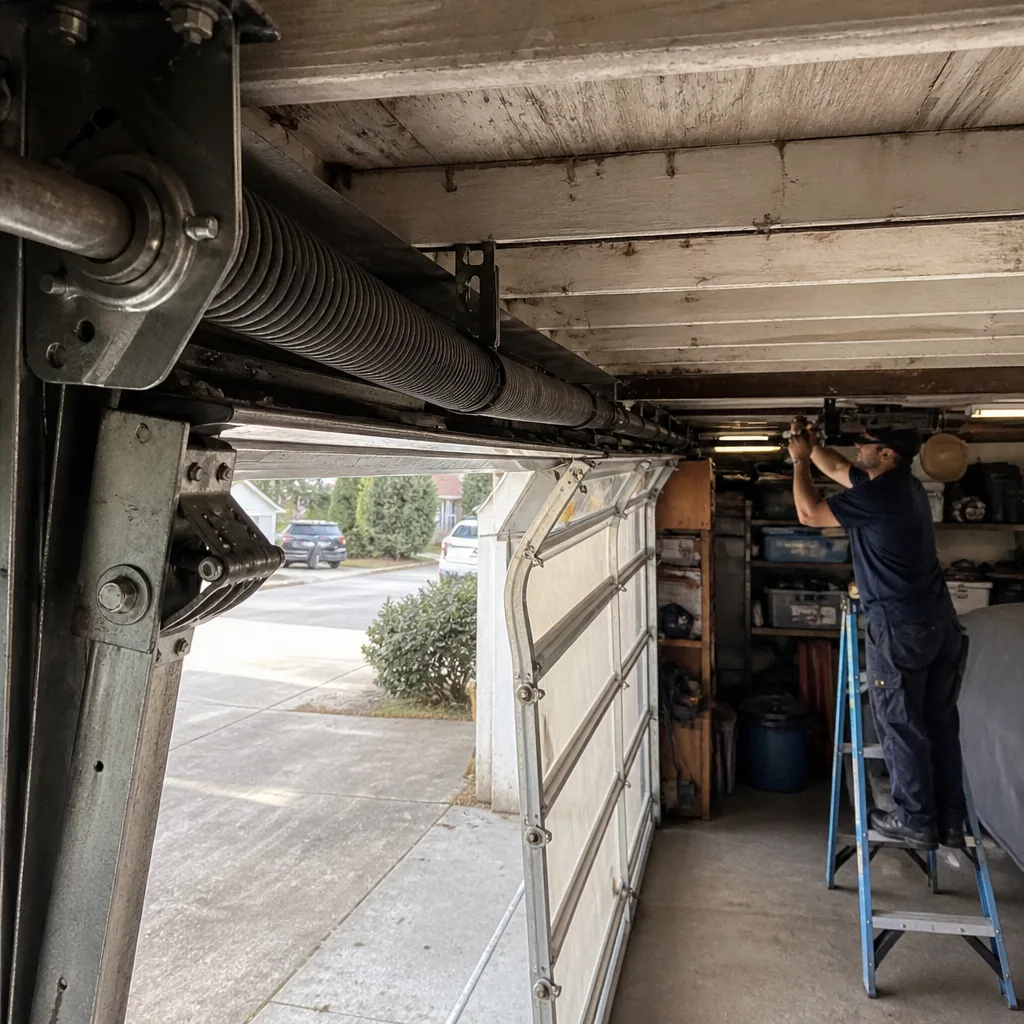 Before
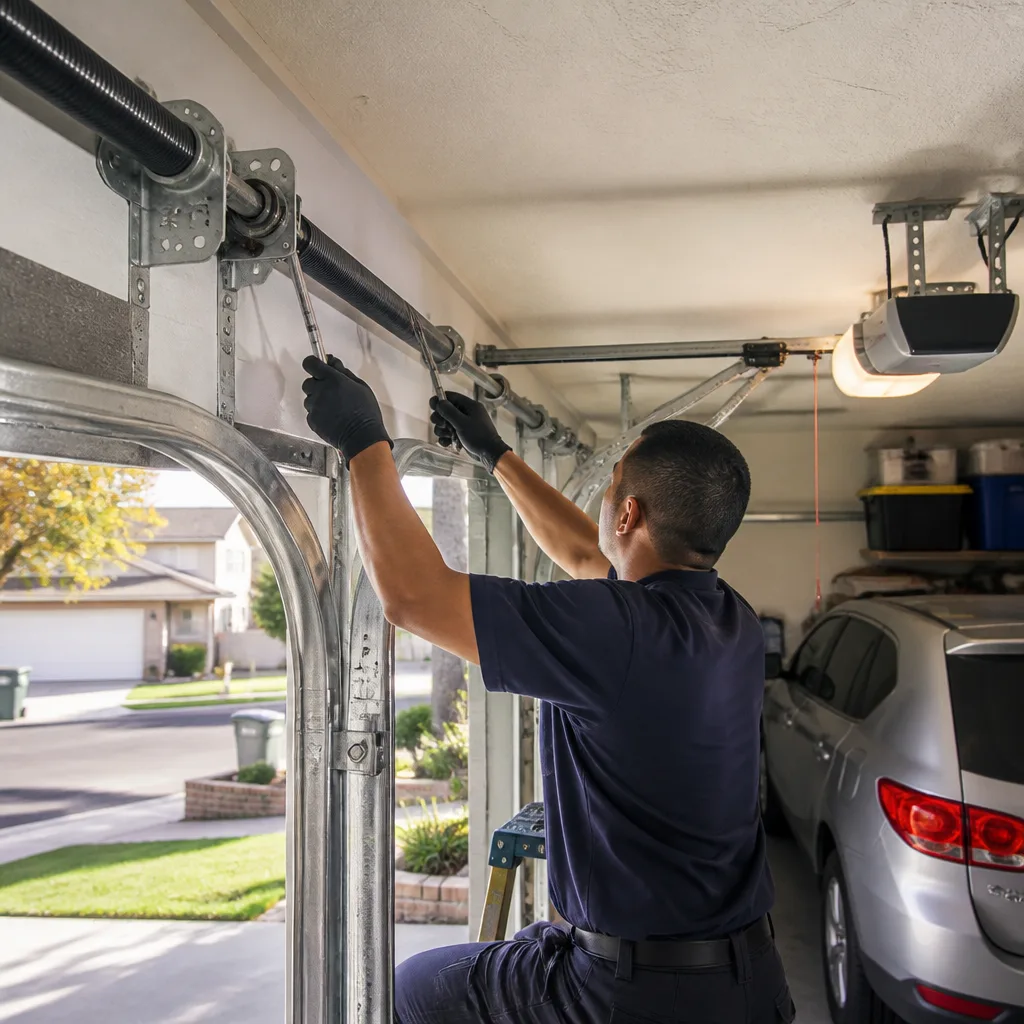 After
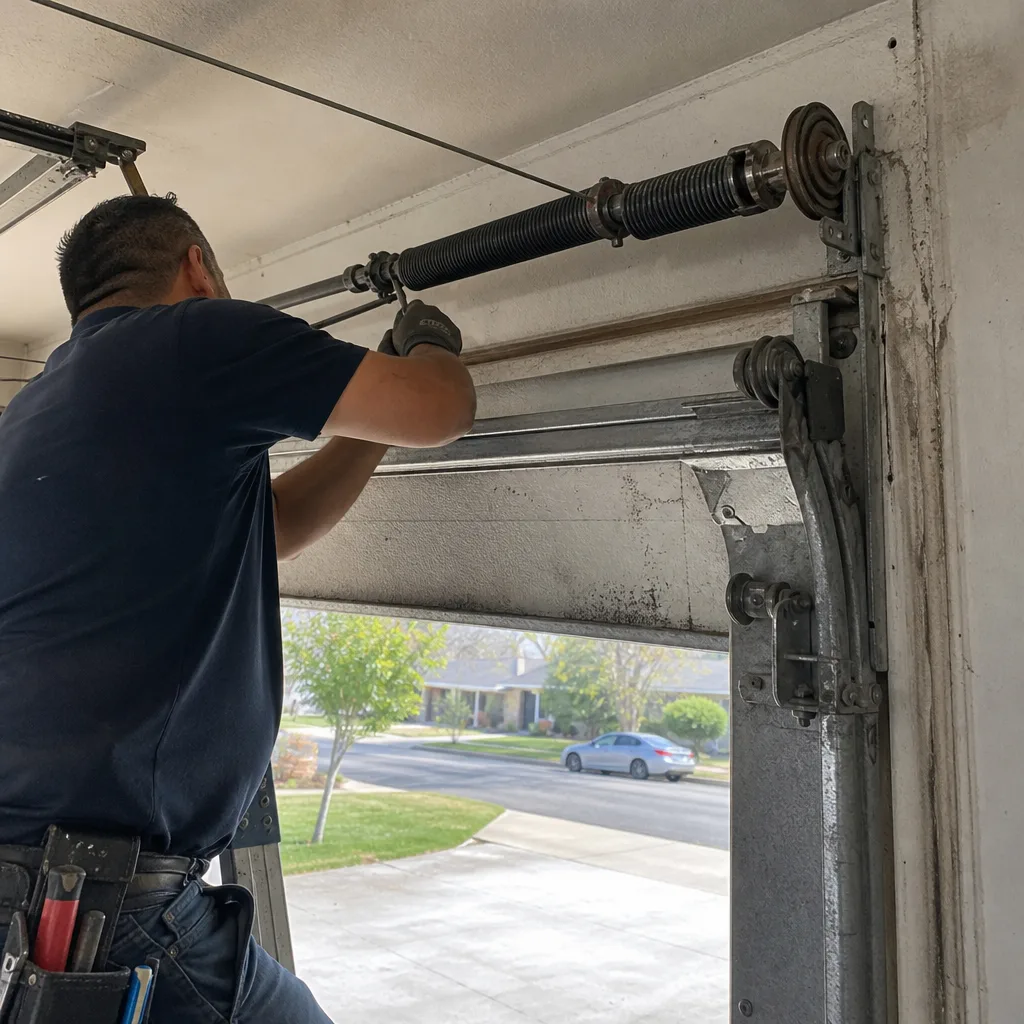 Before
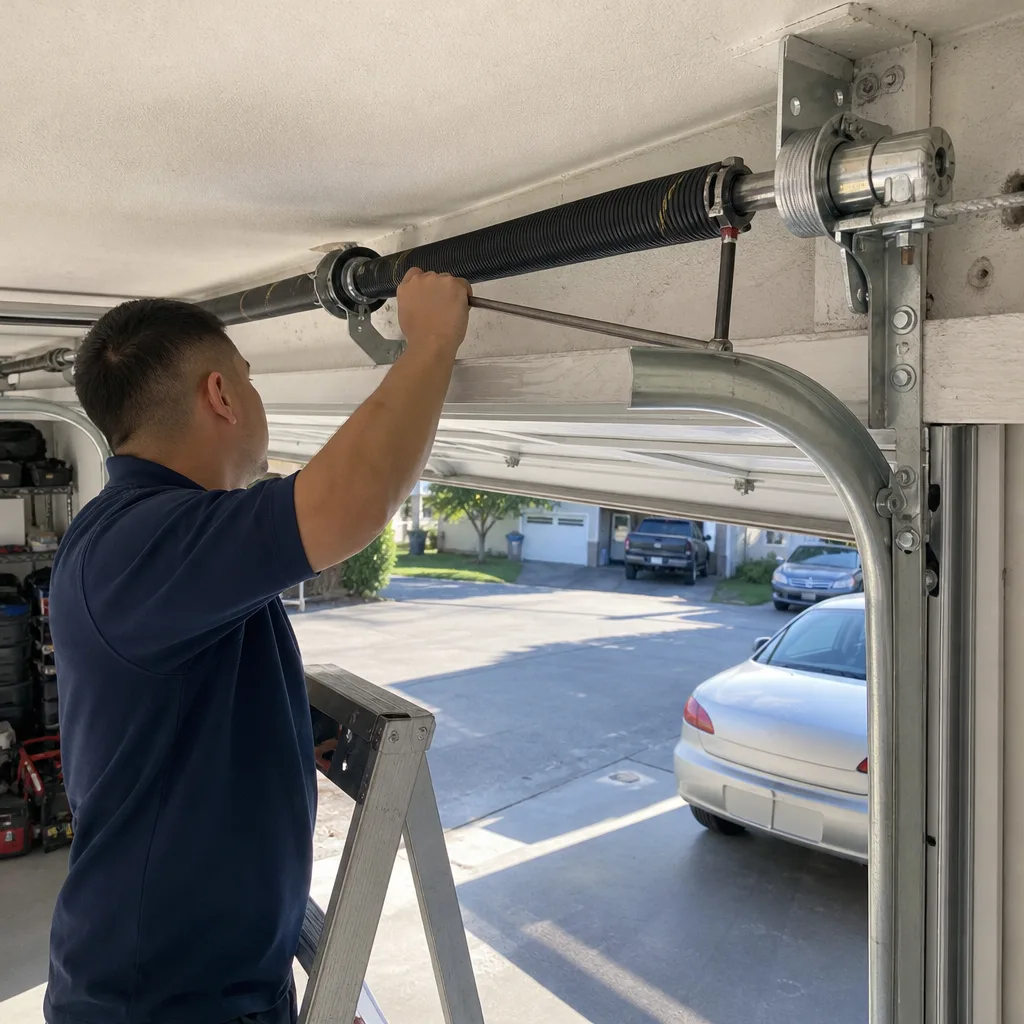 After
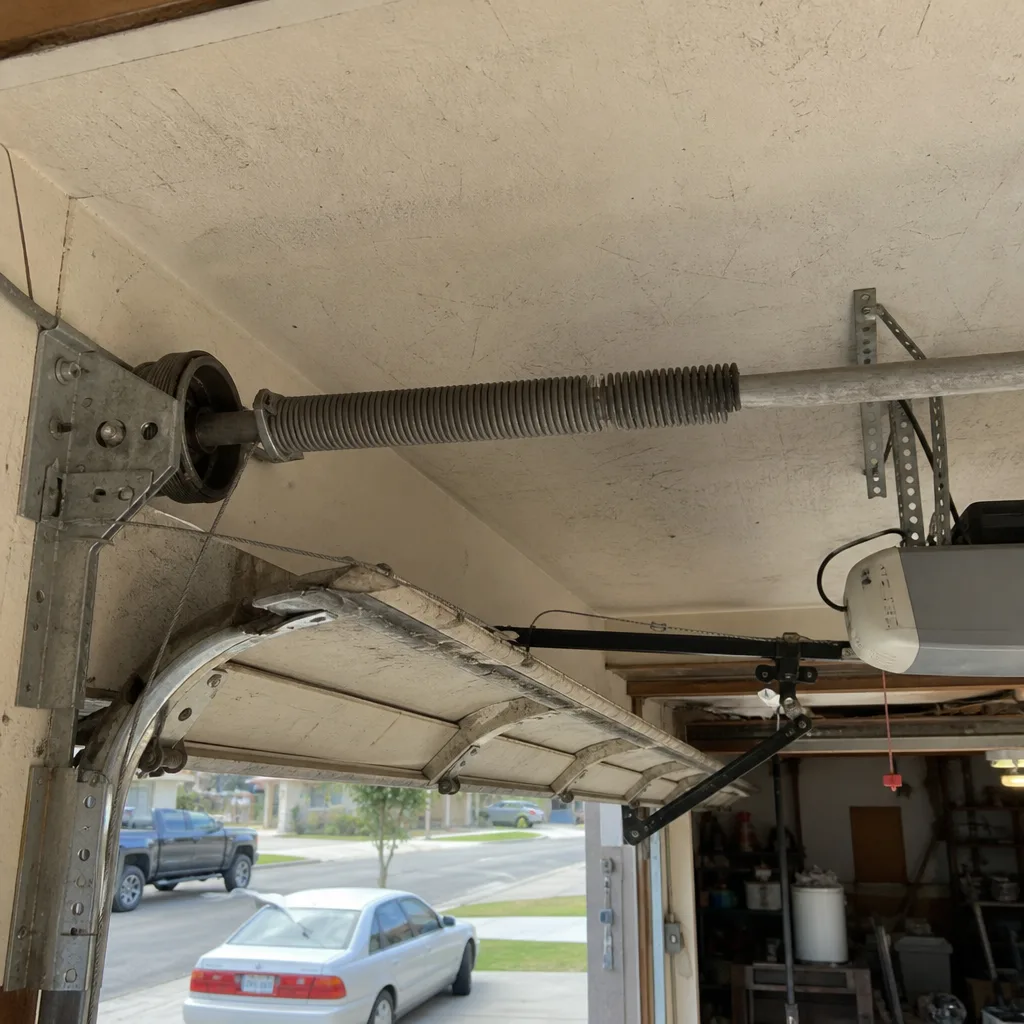 Before
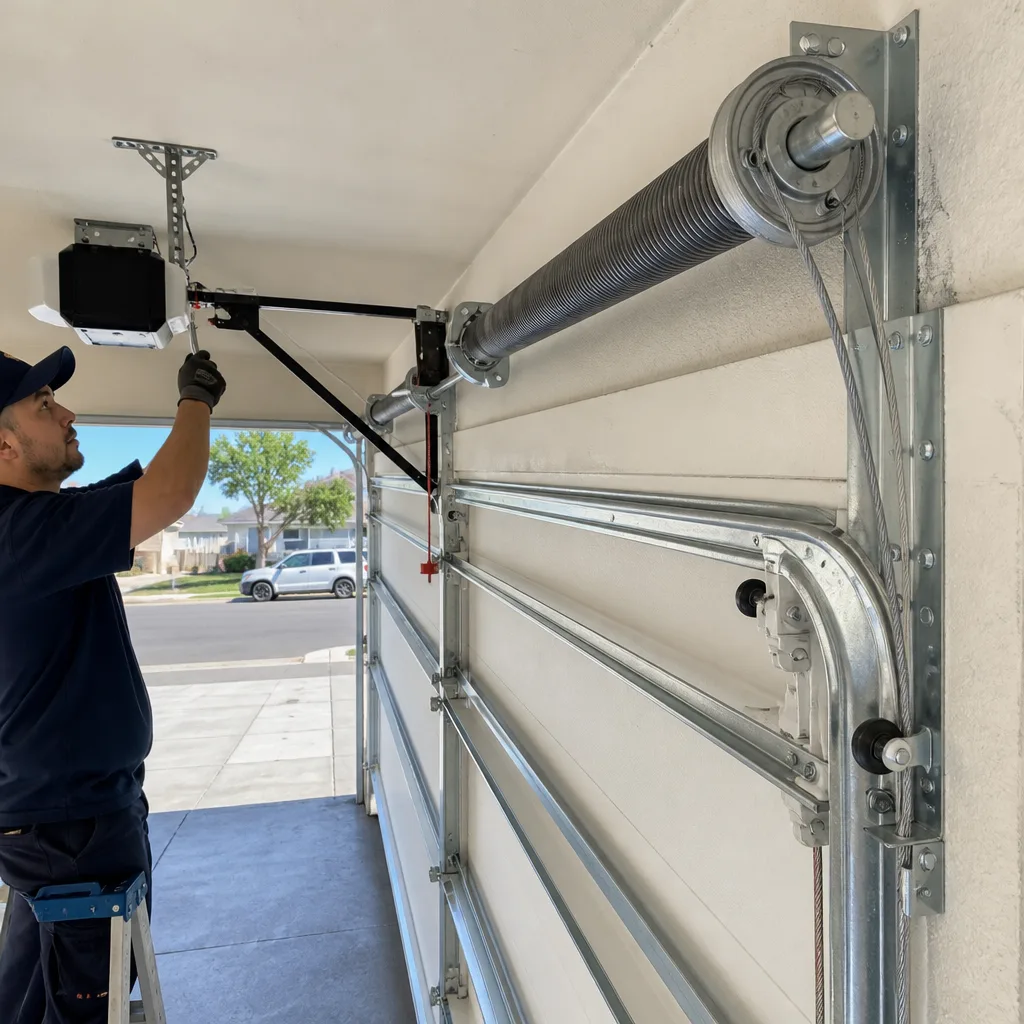 After
When to Call a Professional
Any full garage door replacement in Placentia should involve a licensed contractor who pulls the permit under their license. The reasons are practical: the contractor’s license, bond, and insurance back the work if the inspection fails, and the contractor’s experience means the first inspection usually passes. Homeowners who pull their own permits and hire unlicensed labor are personally responsible for code failures, and that responsibility survives the sale of the home.
Opener replacements and full door installations are the two moments where professional help earns its cost. Both involve structural connections, both require permit paperwork, and both fail inspections when done by someone working from a YouTube video. Rosewood Garage Door Repair offers free estimates in Placentia, and we handle the permit process as part of every replacement. For more guides & resources on garage door care, visit our blog. Call (855) 382-4857 to talk through your project before you order anything.
Frequently Asked Questions
Yes, in nearly every California city and county, including Placentia, a full garage door replacement requires a building permit because the door is part of the building envelope and its structural attachment changes when the door changes. Repairs to an existing door, like spring or cable replacement, do not require a permit. Call (855) 382-4857 if you’re not sure whether your project is a repair or a replacement, and ask for a free assessment.
Yes, most California building departments, including Placentia’s, accept a retroactive permit application for work already completed. The inspector will examine the installed door against current code, and any deficiencies must be corrected before the permit can close. The process takes three to six weeks. For a faster quote on correcting code issues, call (855) 382-4857 for a free estimate.
The inspection itself is included in the permit fee, which for a typical single garage door replacement in Placentia runs between $90 and $250 depending on the declared project value. If an inspection fails, the re-inspection fee ranges from $75 to $150. We prepare every installation using the same checklist the city inspector uses, which reduces re-inspection risk to near zero. Call (855) 382-4857 to discuss your project.
Yes, Title 24 applies to garage doors on attached garages in California because the garage shares conditioned space with the home, and the door must meet minimum insulation values and air infiltration standards. Detached garages are typically exempt unless they’re conditioned. A Title 24 compliance form is part of the permit packet for most attached garage replacements. We verify Title 24 documentation on every door we install.
In most California cities, including Placentia, replacing an entire garage door opener is treated as an alteration requiring a permit and inspection, because the opener’s mounting and electrical connection are regulated work. Repairing an existing opener, including sensor realignment or gear replacement, is exempt. Ask the building department before replacing an opener, or call (855) 382-4857 and we’ll handle the permit as part of the job.
You have three practical options: pull a retroactive permit before listing, offer a seller credit at close to cover the buyer’s permitting risk, or correct the issue after a buyer flags it during escrow. The retroactive permit is the cheapest option in most cases, running $300 to $600 total unless major code corrections are needed. Rosewood Garage Door Repair works with Placentia homeowners facing this situation regularly, and we can assess the door’s code compliance during a free estimate call to (855) 382-4857.
The Bottom Line
California garage door permitting is not complicated once you understand the repair-versus-alteration line. Full replacements and opener installations need permits. Repairs don’t. The permit costs a few hundred dollars and protects you from a $3,000 negotiation loss at resale, a denied insurance claim, or an invalidated manufacturer warranty. Placentia homeowners who pull the permit, pass the inspection, and keep the paperwork have nothing to worry about. Those who skip it carry a liability they don’t discover until the wrong moment. The play is straightforward: check the rules before you order, file the paperwork before you install, and keep the sign-off with your home records.
Written by the team at Rosewood Garage Door Repair, serving Placentia since 2018.