
Last updated November 2, 2026
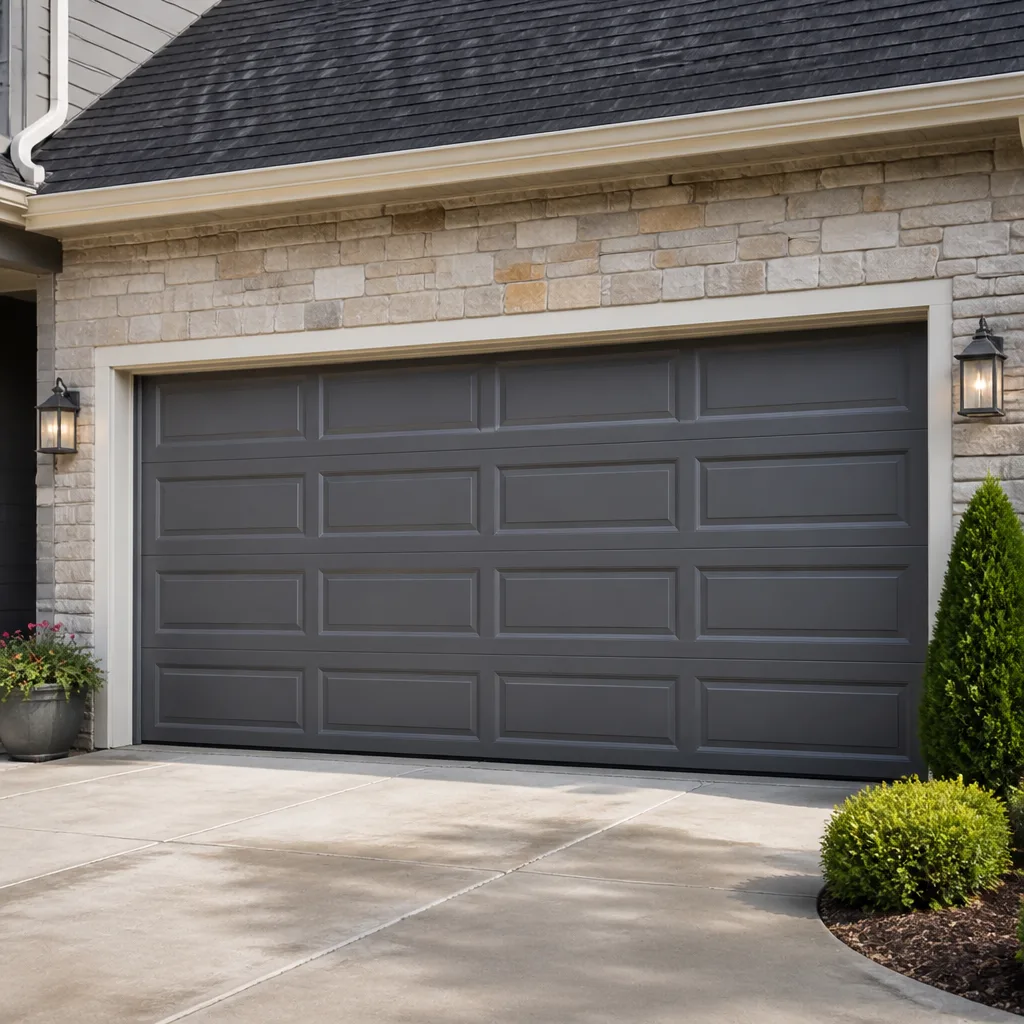 Raised-panel steel
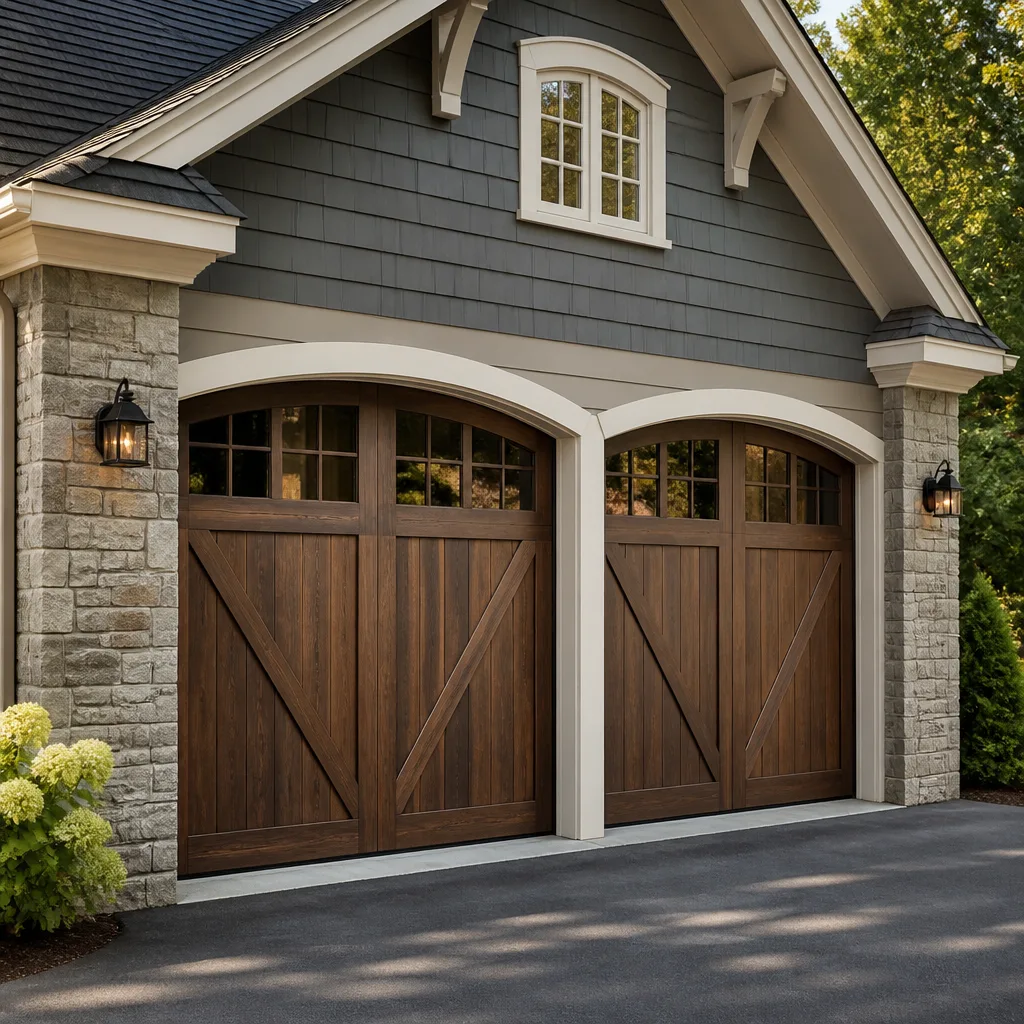 Carriage house
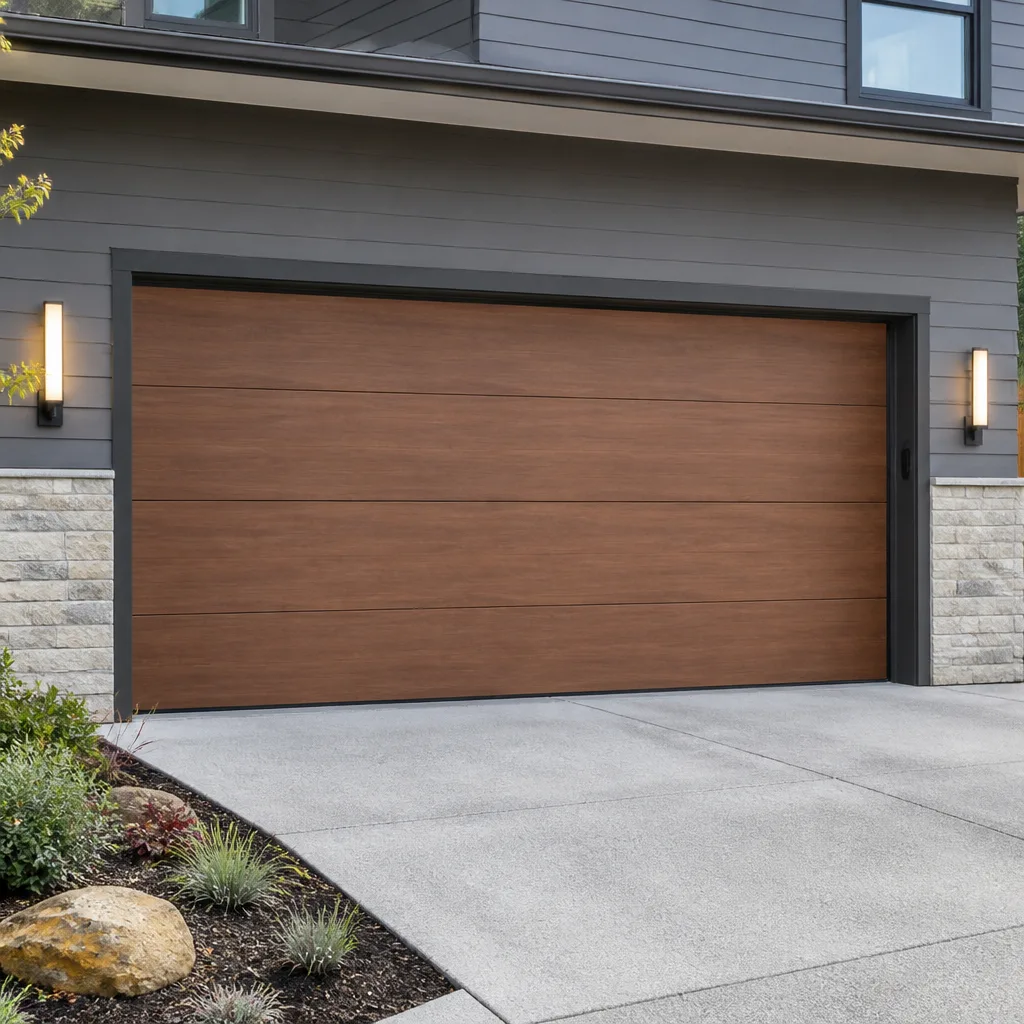 Modern flush
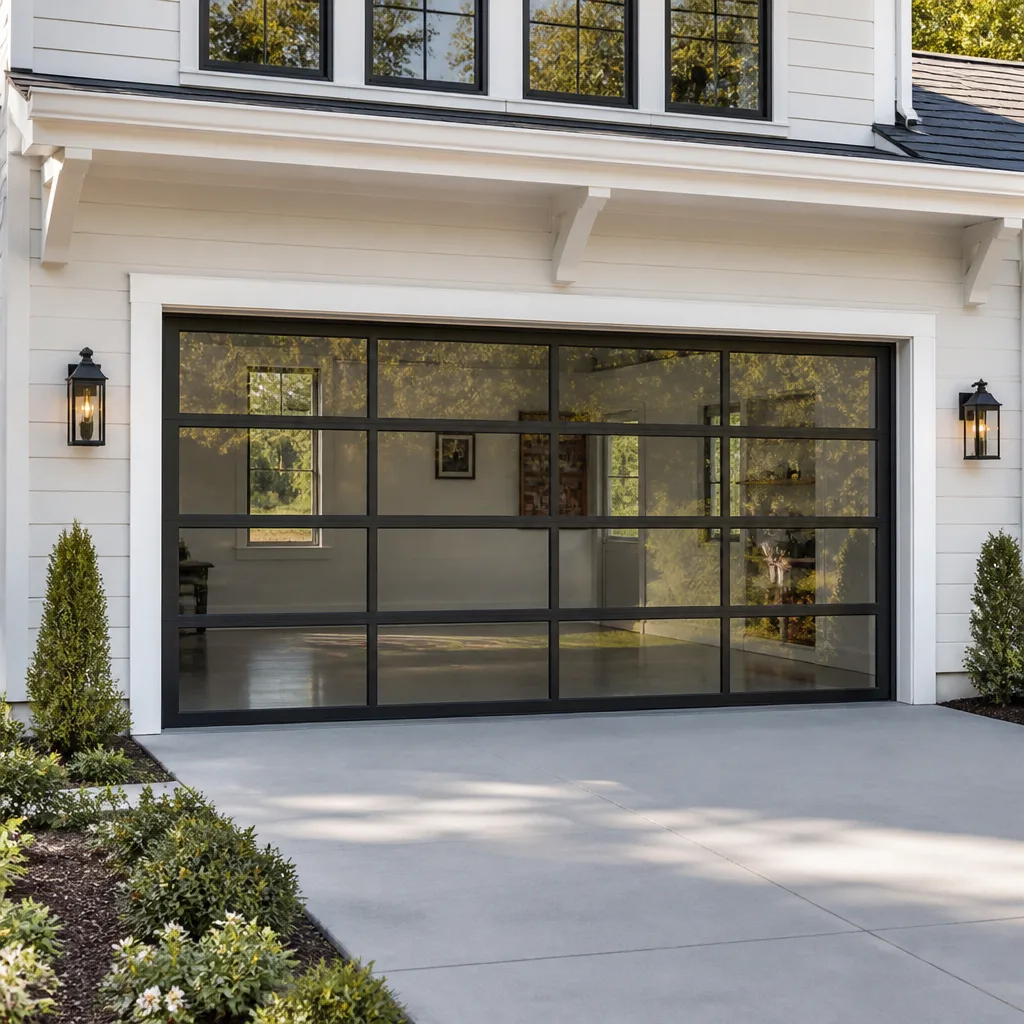 Full-view glass
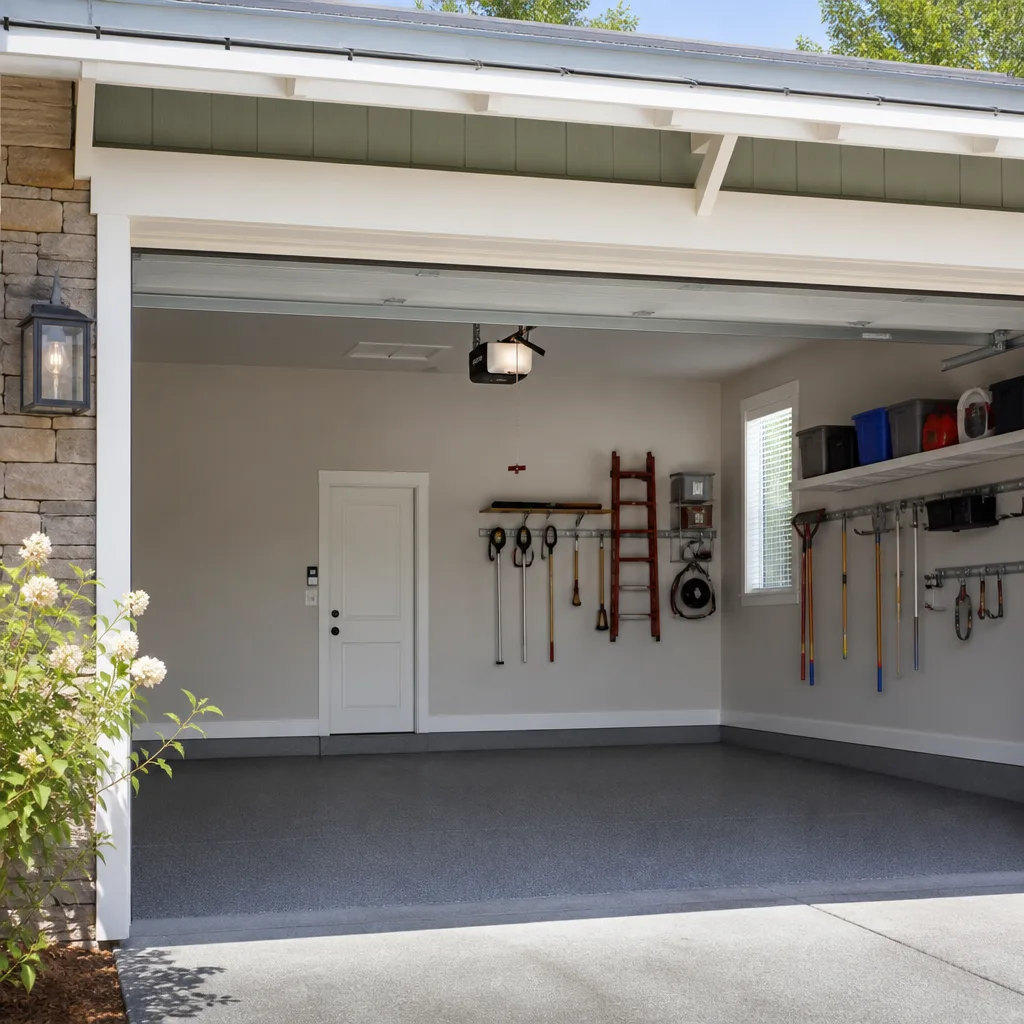 LiftMaster openers
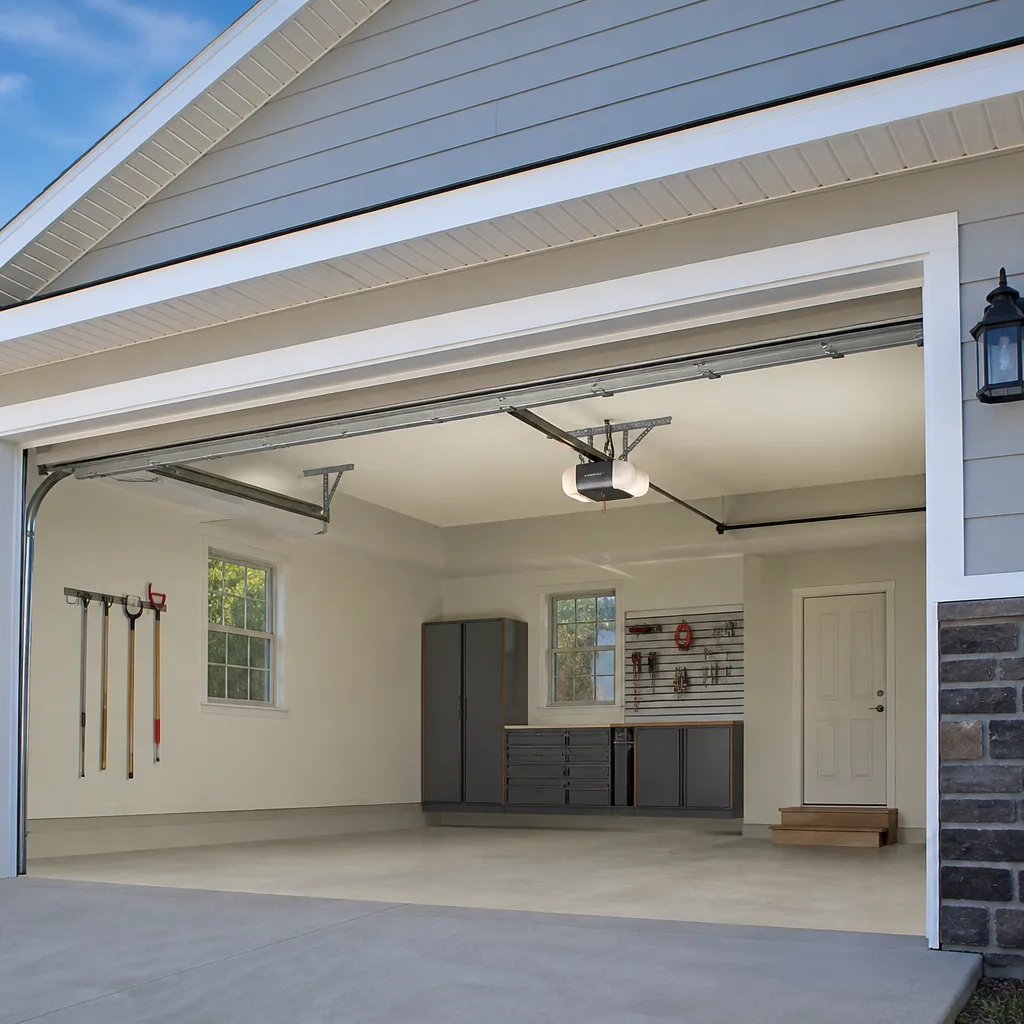 Chamberlain openers
Full 25-point door and opener safety check with every visit - springs, cables, rollers, tracks, and your LiftMaster or Chamberlain opener included
You get a price before we start. It does not change when the truck arrives.
Get your free estimateGarage Door Repair Maintenance Checklist for Placentia Homeowners
The number-one cause of premature garage door failure in the San Gabriel Valley isn’t neglect. It’s performing the wrong maintenance tasks on the wrong schedule for the local climate. A homeowner in Placentia who follows a generic online checklist, the kind written for a garage in Minnesota or Seattle, will lubricate at the wrong interval, miss the failure patterns that actually matter here, and end up calling for a spring replacement that could have been caught months earlier. This guide is built from what we see on our Garage Door Repair services across Placentia, from the Alta Vista hills to the flats near Yorba Linda, and it prioritizes the inspections and tasks that genuinely move the needle. You’ll learn what to check monthly, what to do seasonally, and which problems signal that something is about to fail, not just that something is dirty.
Styles & brands we work with
- Raised-panel steel
- Carriage house
- Modern flush
- Full-view glass
- LiftMaster openers
- Chamberlain openers
Quick Answer
A garage door maintenance checklist for Placentia homeowners should include a 15-minute monthly walkthrough (visual inspection of springs, cables, rollers, and track alignment, plus a balance test) and a 60-minute seasonal deep-check (lubrication every 4 to 6 months with a silicone-based lubricant, hardware tightening, track cleaning, and seal inspection). Given Placentia’s heat, Santa Ana dust, and temperature swings, lubrication should happen more often than the standard annual recommendation, and post-wind-event cleaning is essential. Most repairs we perform are the direct result of a maintenance item that went unchecked for six to twelve months too long.
Table of Contents
- The 15-Minute Monthly Walkthrough
- The 60-Minute Seasonal Deep-Check
- Placentia Climate Factors: Heat, Dust, and Temperature Swings
- Heat-Specific Lubrication Schedule for Placentia Summers
- Santa Ana Dust and Debris: Post-Wind Inspection Protocol
- Visual Inspection Points for Older Placentia Homes (1960s to 1980s)
- Spring Tension Drift and Temperature Swings: What to Look For
- Common Mistakes to Avoid
- When to Call a Professional
- Frequently Asked Questions
- The Bottom Line
The 15-Minute Monthly Walkthrough
This is the check you can do with a flashlight and your eyes. No tools required. It catches roughly 70 percent of the problems we see before they turn into failures, and it takes less time than watering a front lawn in August. The goal is not to fix anything. The goal is to notice change. A garage door that worked fine yesterday but sounds different today is telling you something, and if you do this walkthrough consistently, you’ll hear it and see it before it costs real money.
- Open and close the door once, watching the full travel. Does it move smoothly, or does it stutter at any point? A pause or bump usually means a roller is worn, a track has a minor bend, or the door is slightly out of balance.
- Listen while it moves. A grinding sound points to the rollers. A squeak points to the hinges. A pop or snap from the spring area means stop using the door and call a technician. Noise is the earliest warning system you have.
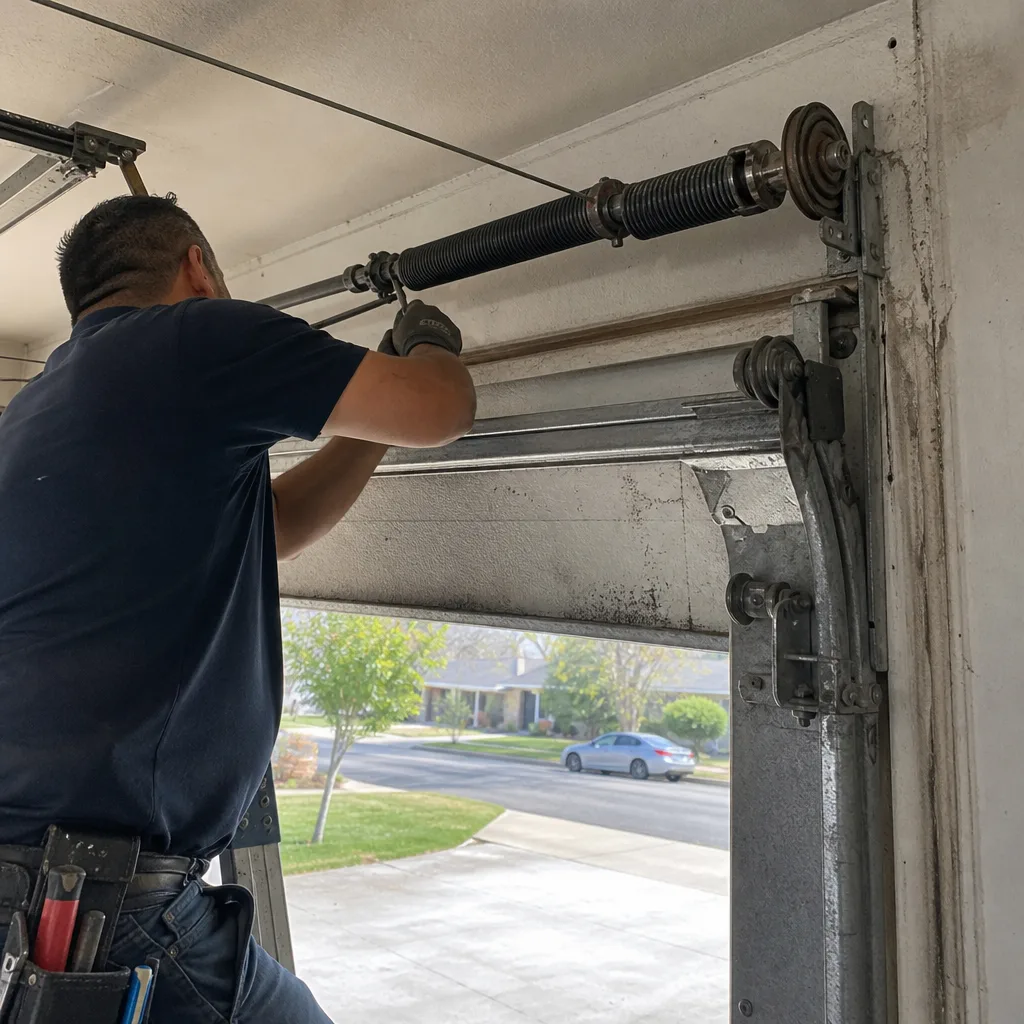
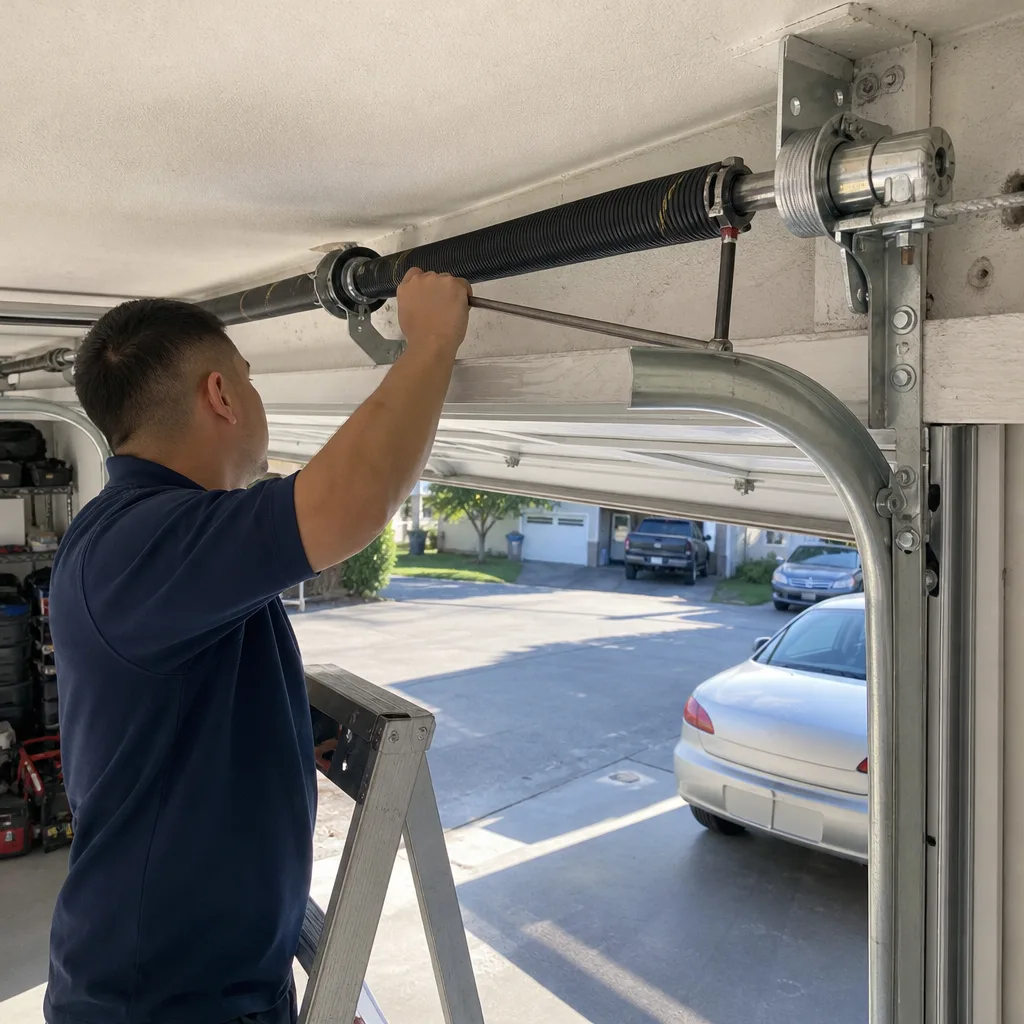
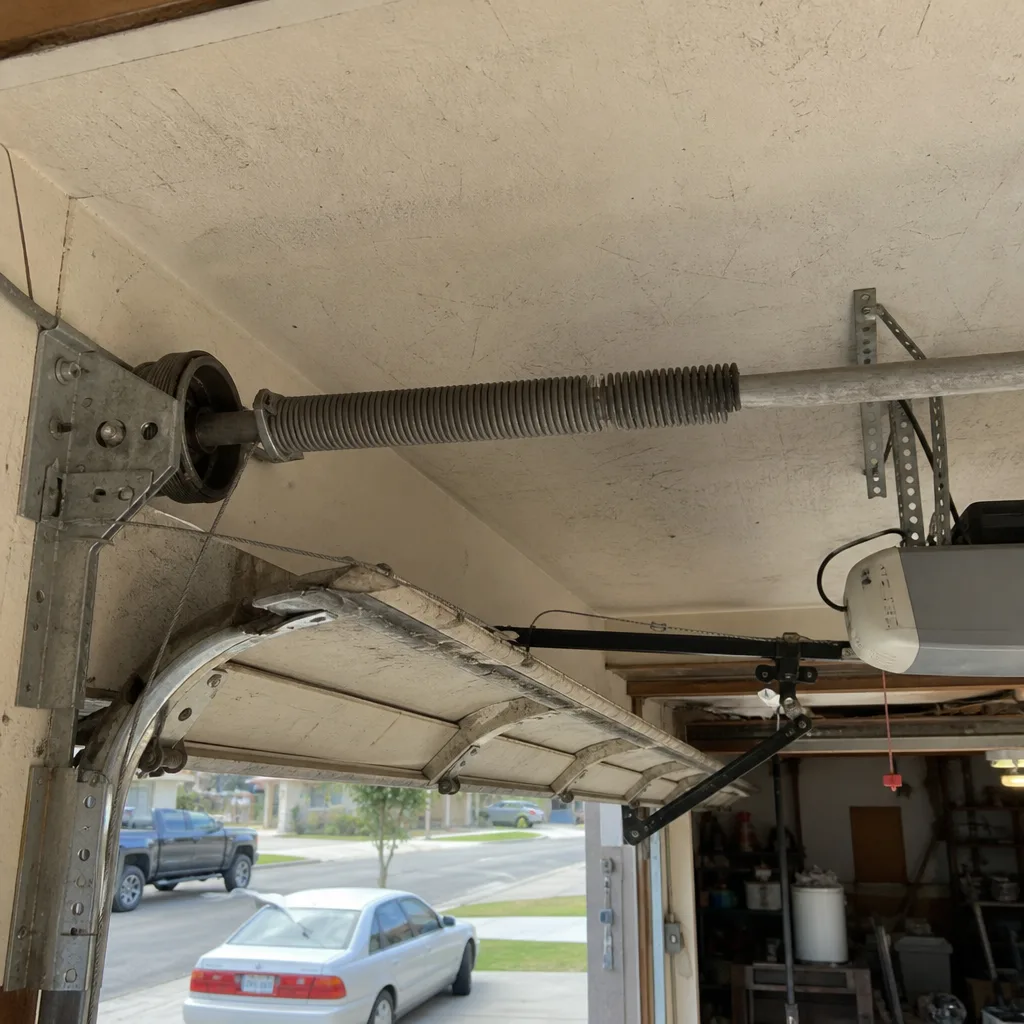
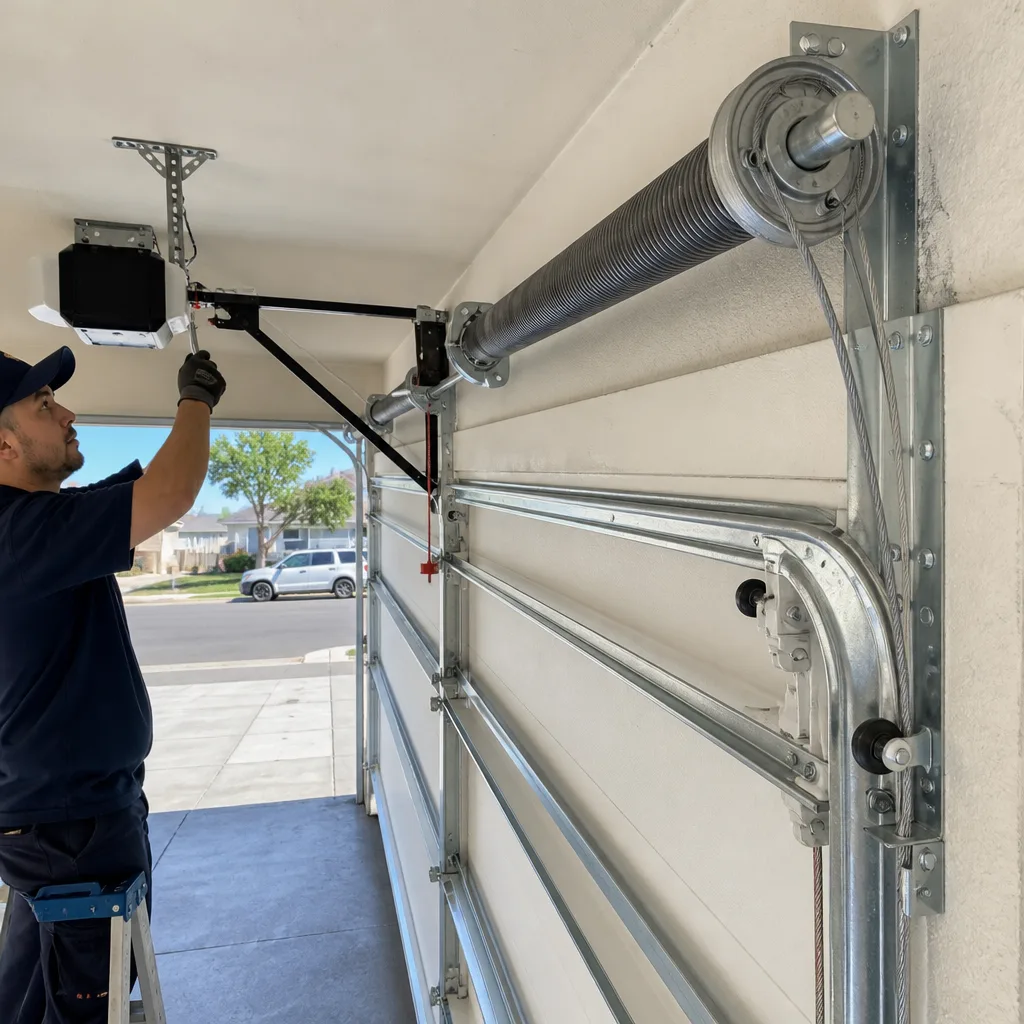
- Look at the torsion springs above the closed door. You’re checking for rust, for a visible gap in the coil, and for any sign of separation. Do not touch them. A gap means the spring is about to break. Torsion springs carry enough tension to cause serious injury if mishandled, which is why this is a look-only inspection.
- Check the cables on both sides. They should be taut and lying flat in the grooves of the drum. A frayed strand or any slack is a warning sign. Cables under tension can snap violently, so this is also a visual-only check.
- Run your eyes along both tracks. Look for debris, for shiny spots where metal is wearing, and for visible bends. In Placentia, Santa Ana winds sometimes blow twigs and leaves into the track channel, and those are easy to remove by hand once you spot them.
- Press the opener button and check the safety reversal. Place a roll of paper towels on the ground under the center of the door and lower it. The door should reverse when it meets the object. If it doesn’t, disconnect the opener and call a professional. This is a safety feature required by federal law, and it saves fingers and pets.
- Stand back and check the bottom seal. The vinyl weatherstrip along the bottom edge should make consistent contact with the concrete when the door is closed. Gaps mean you’re inviting dust, pests, and heat into the garage, and in Placentia, dust is a year-round presence.
Write down anything unusual. It doesn’t need to be a formal log, but a note in your phone from “April: slight squeak on left roller” gives a technician useful history if the door fails later. Context accelerates diagnosis. If you’d rather have someone else do this walkthrough, our Rosewood Garage Door Repair home page explains what a service visit includes.
The 60-Minute Seasonal Deep-Check
Four times a year, set aside an hour for the deeper work. This is where you actively maintain the door rather than just observe it. In Placentia, we recommend doing this in late spring and early fall at minimum, with the other two sessions scheduled around Santa Ana season. The deep-check catches wear that the monthly walkthrough can’t see because it requires getting close, touching components, and applying lubricant.
- Disconnect the opener and test the door’s balance manually. Pull the red emergency release handle and open the door by hand. It should lift easily, stay open at the halfway point, and close without wanting to slam. A door that falls closed or is hard to lift means the springs are under-tensioned or over-tensioned, and that’s the single best predictor of future spring failure we know. Reconnect the opener afterward.
- Clean the tracks with a dry rag. Remove any visible debris from inside the channel. In Placentia, after a wind event, you may find a surprising amount of fine dust caked into the track bends. Do not use grease on tracks. Tracks are designed to run dry, and adding grease turns dust into abrasive paste.
- Lubricate the moving parts with a silicone-based spray. We’ll detail the schedule below, but the target areas are the torsion spring coils, the hinges, the roller bearings, and the opener chain or screw. Lithium grease is the wrong choice for Placentia’s heat. It thickens and attracts dust. Silicone spray stays viscous and resists the fine grit that Santa Ana winds push into garages.
- Tighten every visible nut and bolt. Garage doors cycle hundreds of thousands of times, and vibration loosens hardware over time. Use a wrench on the track brackets, the hinge bolts, and the opener mounting hardware. Don’t over-tighten. Snug is sufficient.
- Inspect the rollers. Steel rollers wear out, nylon rollers crack, and sealed bearings eventually fail. Look for flat spots, wobble, or any roller that doesn’t turn freely. A bad roller strains the opener motor and accelerates track wear.
- Check the weatherstripping around the entire perimeter. In addition to the bottom seal, look at the vinyl trim around the sides and top. Cracks or gaps let dust in, and Placentia’s summer heat bakes vinyl seals until they become brittle and start to peel.
- Test the opener’s force settings. The door should reverse when it contacts resistance, but it should not reverse prematurely on a smooth floor. If you’re making frequent adjustments, the opener may be nearing the end of its service life. We handle Garage Door Opener Repair as a distinct specialty, so this is a common call for us.
Placentia Climate Factors: Heat, Dust, and Temperature Swings
Placentia sits in a unique position in north Orange County. It’s far enough inland to feel the full weight of summer heat, close enough to the hills to catch Santa Ana wind channels, and subject to the kind of desert-adjacent temperature swings that most coastal cities never experience. A July day can reach 95 degrees, and a January night can drop into the 40s. That’s a 50-degree swing within the same climate system, and your garage door absorbs every degree of it.
The practical result is that metal components expand and contract daily. Torsion springs, which are coiled steel, lose a small amount of tension with each cycle, and the rate of loss accelerates with temperature variability. Rollers and hinges develop play faster than they would in a stable coastal climate. Vinyl and rubber weatherstripping dries, cracks, and shrinks under sustained UV exposure and heat, and Placentia receives more than 280 days of sun per year.
Dust is the second environmental factor. The Santa Ana winds, which typically arrive between October and March, push fine particulate from the inland valleys through the Placentia area. That dust settles into garage door tracks, coats lubricated components, and mixes with any grease to form a grinding paste. We see more track obstruction and lubrication failure in Placentia after high-wind seasons than any other common cause. This is why the maintenance schedule here differs from a generic national checklist. The environment drives the interval, not the calendar.
Heat-Specific Lubrication Schedule for Placentia Summers
The standard advice you’ll find on most maintenance pages is to lubricate your garage door annually. That recommendation is a national average, and it assumes a temperate climate with moderate humidity and stable temperatures. In Placentia, where summer heat bakes lubricant out of components and Santa Ana winds coat them in dust within weeks, annual lubrication is a false economy. We recommend a 4-to-6-month interval for Placentia homeowners, regardless of what the old checklist says.
Here’s what actually happens. Silicone-based lubricant breaks down under sustained heat. When the garage interior reaches 110 degrees on a hot August afternoon, which is common in uninsulated Placentia garages, the thin carrier oils in the lubricant evaporate, leaving behind only the thickening agents. Those thickeners attract dust, and within two or three wind events the lubricant is doing more harm than good. A 4-month schedule stays ahead of this cycle. In cooler coastal cities, an annual schedule works because the degradation curve is slower. In Placentia, we see better outcomes with spring and fall lubrication as the minimum, plus an additional application in mid-summer if the door sees heavy daily use.
Use only silicone spray or a garage-door-specific lubricant. Apply it to the torsion spring coils, which need a thin film between each coil gap to prevent rust and binding. Apply it to each hinge pivot point. Apply a small amount to the roller bearings, not the roller wheel surface. If you have a chain-drive opener, lubricate the chain; if you have a screw-drive, use the specific grease recommended by the manufacturer, usually a lithium-based grease, because screw drives are designed differently than the door hardware. Do not lubricate the track. Ever. It’s a common mistake, and in Placentia’s dust environment, greased tracks become sandpaper channels within a month.
Santa Ana Dust and Debris: Post-Wind Inspection Protocol
Santa Ana season in Placentia typically runs from October through March, with peak wind events usually occurring between December and February. These winds regularly reach 40 to 60 miles per hour in the foothill corridors, kicking up dust, fine sand, leaves, and small branches. Your garage door is the largest moving surface on your house, and it functions as a dust collector during these events. We recommend a specific post-wind checklist after any Santa Ana episode strong enough to rattle windows.
- Inspect the bottom seal for embedded debris. Fine grit gets pressed into the vinyl weatherstrip, and small rocks can become lodged against the seal, creating a permanent gap. Run a finger along the seal and pick out anything sharp.
- Check the track channels. Look for leaves, twigs, or caked dust inside both vertical and horizontal tracks. Use a dry rag or a vacuum attachment to clear them. Debris in the track is the most common cause of a door that suddenly stops halfway.
- Wipe down the photo-eye sensors. The safety sensors on either side of the door get coated in fine dust during wind events, which can cause intermittent reversal problems or prevent the door from closing. A dry cloth is all you need.
- Test the balance after a heavy wind week. Sustained wind can vibrate the door against the track and loosen hardware. A quick manual balance test after a major wind event is good practice.
If the door was operating before a Santa Ana event and struggles afterward, the cause is almost always debris-related rather than mechanical failure. Clean first, then reassess. If cleaning doesn’t solve it, the wind likely exposed a pre-existing problem, like a roller that was already on its way out or a track bracket that had been slowly loosening. A technician can identify that pattern quickly. We cover the broader service area, including Valinda, for these post-wind calls.
Visual Inspection Points for Older Placentia Homes (1960s to 1980s)
A large portion of Placentia’s housing stock dates from the 1960s through the 1980s, particularly in neighborhoods east of the 57 Freeway and around the older sections of the city near Alta Vista and Bradford Avenue. These homes often carry garage door hardware that’s forty or fifty years old, and while the steel used in that era was generally excellent, the components were not designed for the opener speeds and cycle counts of modern use. If your home falls into this age bracket, your inspection list should be longer.
First, look at the track brackets and their mounting points. In older homes, these brackets are frequently attached to wood framing that has dried and split over decades, and the screws have loosened. A bracket that’s pulling away from the wall allows the track to flex, which causes the door to bind and can eventually pull the entire track system out of alignment. Second, check the hinges for metal fatigue. Older stamped steel hinges develop hairline cracks at the pivot points that are invisible from a distance but obvious up close with a flashlight. Third, examine the torsion tube and drums for rust scaling. Surface rust is cosmetic, but scaling rust that flakes off means the metal has lost thickness, and a thinned torsion tube can fail catastrophically.
Older doors also tend to be heavier. A solid wood door from the 1970s weighs significantly more than a modern steel insulated door, and the springs on an old door are working harder than the springs on a new one. If your Placentia home has an original wood door, consider having the spring tension checked professionally every two years, even if the door seems fine. The springs tell you when they’re wearing out, but only if someone is paying attention. We also install new doors when the old hardware is no longer worth maintaining, and we carry and service brands like Clopay, Amarr, and Wayne Dalton if you’re considering a replacement. See our Garage Door Installation page for details on what a new-door job involves.
Spring Tension Drift and Temperature Swings: What to Look For
Torsion springs are the workhorses of your garage door system, and they fail in one of two ways: suddenly, with a loud bang that sounds like a car backfire, or gradually, through tension drift that quietly overloads the springs and causes premature fatigue. The second failure mode is more common in Placentia than most homeowners realize, and it’s directly tied to our temperature patterns.
Here’s the mechanism. Steel expands when hot and contracts when cold. A torsion spring that’s properly tensioned at 70 degrees loses effective tension when the garage heats to 110 degrees, then regains it as the garage cools. Over years of these daily cycles, the spring metal undergoes micro-fatigue at the molecular level. The spring doesn’t break immediately, but it loses its ability to hold the same torsion rating. Technicians call this drift. The symptom is a door that slowly begins to feel heavier, an opener that works harder and gets louder, or a door that starts to settle at the halfway point when it used to stay put.
You can catch tension drift before it becomes a broken spring. Here’s what to watch for monthly: a door that’s harder to lift manually than it was three months ago, an opener that sounds strained on every cycle, or a door that creeps downward when left open at the halfway point. Any of these means the springs are losing their ability to counterbalance the door’s weight, and the remaining tension is concentrated in fewer coils. That concentration point is where the spring will eventually break.
Spring inspection and adjustment is not a DIY task. Even a slightly relaxed spring holds enough tension to cause serious injury if it releases unexpectedly. This is the one repair where we recommend calling a professional every time, and we’re clear about that on every service call in Placentia. If you’re seeing signs of tension drift, ask for a spring evaluation. It’s a quick job and far less expensive than a mid-cycle spring failure, which can damage the door itself and the opener.
Common Mistakes to Avoid
- Lubricating on an annual schedule. Placentia’s heat and dust cut the effective life of garage door lubricant in half compared to temperate climates. A 4-to-6-month interval is the right cadence here, not the generic yearly recommendation.
- Greasing the tracks. Tracks are designed to run dry. Grease them and you’ll create a dust magnet that turns into abrasive sludge after the first Santa Ana event, which accelerates roller wear and can cause the door to bind.
- Ignoring a squeak because the door still works. A squeak is metal-on-metal contact at a hinge or roller, and it won’t fix itself. What starts as a minor noise becomes a worn component, then a seized component, then a door that jumps the track.
- Skipping post-wind inspections after Santa Ana events. Debris in the track is the most preventable cause of door failures in Placentia. A five-minute check after a wind event saves a service call after the door fails.
- Testing the safety reversal only once and forgetting it. The photo-eye sensors and reversal mechanism are required safety equipment, and they fail silently. We test them on every service call, and you should test them monthly at home.
- Assuming an old door doesn’t need spring maintenance. Placentia’s older homes often have original doors from the 1960s through 1980s, and those springs are decades into their fatigue life. A professional spring evaluation every two years on older doors is cheap insurance.
- Replacing the opener when the door is the problem. If the door is out of balance, a new opener will strain against the same resistance and fail prematurely. We see this regularly in Placentia, and it’s an expensive sequence for homeowners who could have addressed the door first. We’re opener specialists, not just door technicians, so we diagnose the system before selling parts.
When to Call a Professional
Most of the maintenance in this guide is designed to be done safely by a homeowner, but there are situations where the right move is to stop and pick up the phone. If you see a visible gap in a torsion spring, do not operate the door and do not attempt any inspection beyond a visual one. If a cable is frayed or has come off the drum, the system is under dangerous tension. If the door is off its track or binding hard at any point, continuing to cycle it can cause further damage. If the safety reversal fails your paper towel test, the opener needs repair before the door is safe to use. And if you’re seeing the signs of spring tension drift described above, a professional evaluation is the only safe next step. For help spotting problems early, see our Garage Door Warning Signs: A Placentia Homeowner’s Reference Guide. Rosewood Garage Door Repair offers free estimates in Placentia, and we work on whatever brand is already installed in your garage, from LiftMaster and Chamberlain openers to Clopay, Amarr, and Wayne Dalton doors. Call (855) 382-4857 and we’ll tell you what’s actually wrong before recommending any work.
Frequently Asked Questions
Every 4 to 6 months, using a silicone-based spray on the springs, hinges, and roller bearings. Placentia’s summer heat evaporates lubricant’s carrier oils faster than coastal climates, and Santa Ana dust accelerates the degradation, so the annual schedule you’ll see on most checklists isn’t frequent enough for this area. Call (855) 382-4857 if you’d like a lubrication service as part of a seasonal tune-up.
Check the bottom seal for embedded grit, clear both track channels of leaves and caked dust, wipe down the photo-eye sensors, and test the door’s balance manually. If a door worked before a wind event and struggles after, debris is the likeliest cause, and cleaning usually resolves it. If it doesn’t, the wind likely exposed a pre-existing hardware problem.
No. Torsion springs hold enough tension to cause serious injury or death if they release unexpectedly, and even a properly installed spring can be dangerous to work with without the right tools and training. Spring adjustment and spring replacement are professional jobs, every time. If you suspect tension drift or see a gap in the coil, call (855) 382-4857 for a spring evaluation instead.
The early signs are a door that feels heavier when lifted manually, an opener that sounds strained, or a door that creeps down from the halfway point. Any of these symptoms means the springs are losing tension, and the eventual failure is usually sudden. A visible gap in the spring coil means failure is imminent, and the door should not be operated.
Heat causes metal parts to expand, which reduces clearance at the hinge pivot points and roller bearings. Placentia’s summer temperatures, which often push garage interiors above 100 degrees, are enough to create tight clearances that produce squeaking even when the door is properly lubricated. If the squeak persists after lubrication, the hinge or roller has worn beyond the point where lubrication helps, and it’s time to replace the part.
Yes. Homes built in the 1960s through 1980s often have doors and hardware that are forty or fifty years old, with the steel quality of that era but the added fatigue of decades of use. Track brackets pull loose from dried framing, hinges develop hairline cracks, and torsion tubes rust from the inside. If your Placentia home falls into this age bracket, add a professional spring and hardware evaluation every two years to your routine. Call (855) 382-4857 for a free estimate.
The Bottom Line
The garage door maintenance checklist that actually works for Placentia has three parts: a 15-minute monthly visual walkthrough, a 60-minute seasonal deep-check, and a post-Santa Ana inspection after every major wind event. The environment matters. Heat shortens lubricant life. Dust ruins tracks that have been improperly greased. Temperature swings fatigue springs faster than stable coastal weather. Older Placentia homes carry older hardware that needs more frequent professional attention. If you follow this schedule and call a technician at the first sign of tension drift, cable wear, or track problems, you’ll catch most failures before they happen. For more guides & resources, explore our blog. If you’d rather have a professional handle the seasonal deep-check, we’re happy to do it for you. Call (855) 382-4857 and we’ll come out and take a look.
Written by the team at Rosewood Garage Door Repair, serving Placentia since 2018.
See the difference
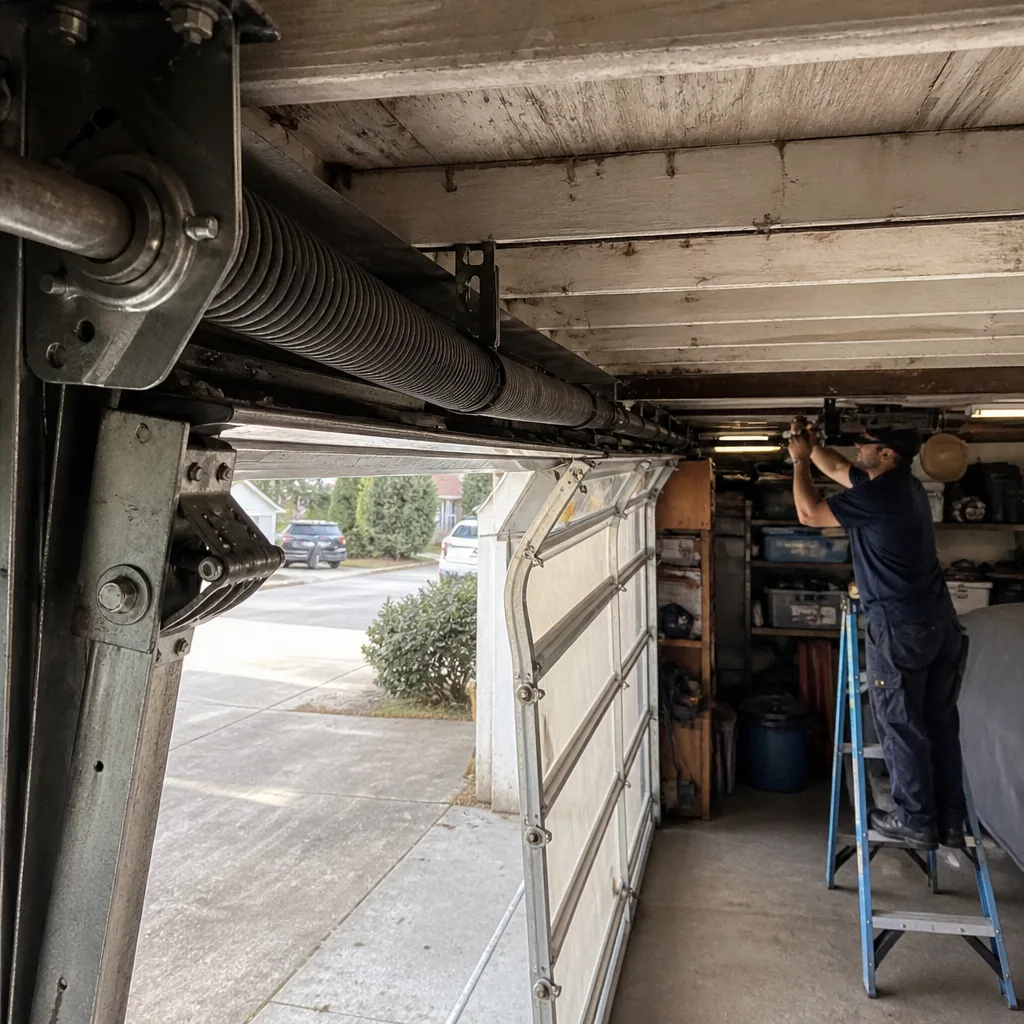 Before
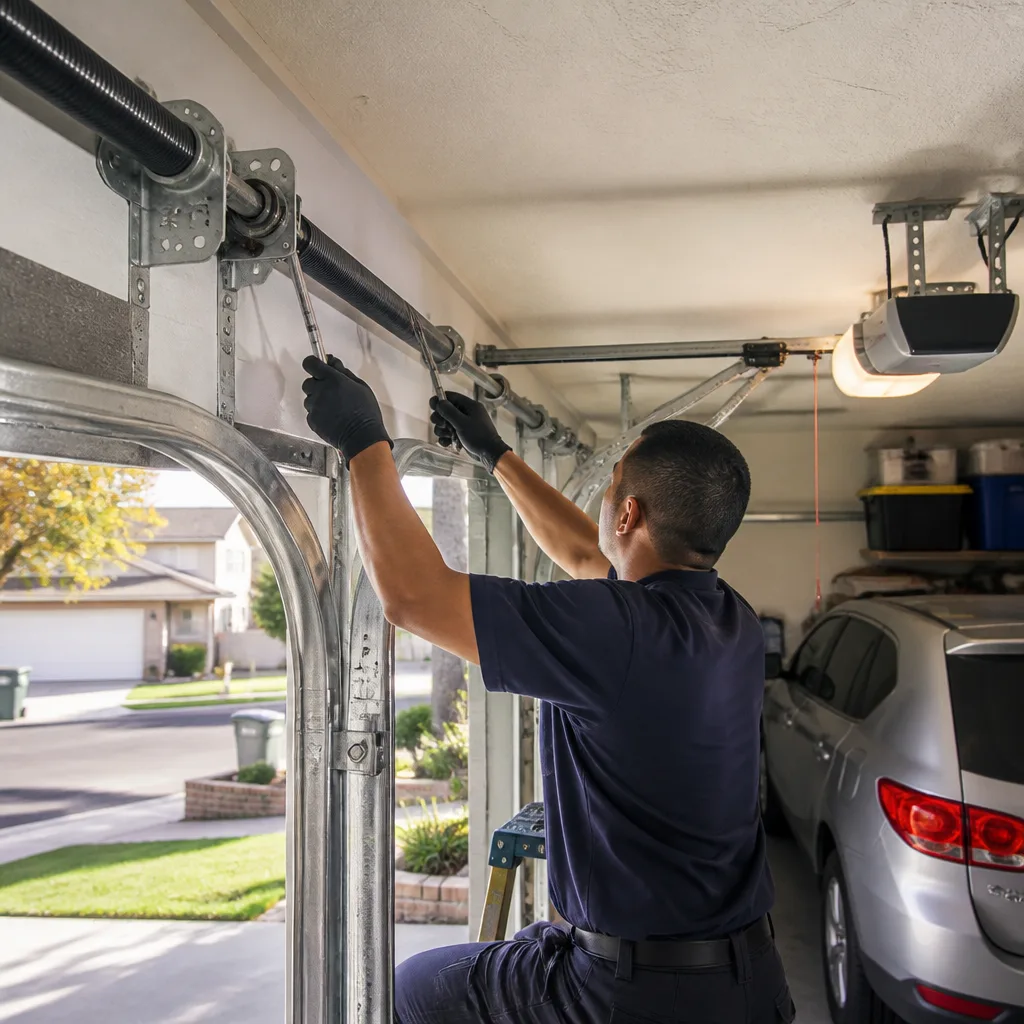 After
 Before
 After
 Before
 After